You’re asking about asphalt roof replacement cost because you need a real number you can trust. In coastal North Carolina, most full asphalt shingle replacements land around $4–$6 per square foot installed. Once tear-off, disposal, and scope are in play, many projects land closer to $550–$1,200 per square.
If your bids feel all over the place, you’re not missing a secret “fair price”, you’re missing the variables roofers actually price: measured squares (including pitch and waste) and tear-off layers and disposal. This guide shows you the local ranges Wilmington-area homeowners actually see, then gives you a simple way to sanity-check quotes and compare replacement against roof rejuvenation when buying time makes more sense.
The Coastal NC Price Range to Expect

If you’re pricing a full asphalt shingle replacement around Wilmington and the nearby beach towns, a realistic asphalt shingle roof replacement cost range is about $4–$6 per sq ft for many straightforward jobs, with higher-end scopes pushing beyond that. For a fast ballpark, many Wilmington-area quotes start around $400–$600 per “square” (100 sq ft). Plenty of real-world projects land in an all-in range closer to ~$550–$1,200 per square once tear-off, disposal, and scope details are included.
A 20–30 square roof often falls around ~$11,000–$18,000 at roughly $550–$600 per square, then rises with complexity. Interior square footage is the quickest way to misread roof bids. Instead, ask every contractor to confirm the measured number of squares (including pitch) they’re pricing. Two “same shingle” quotes can be miles apart if they’re based on different measurements or assumptions.
Coastal North Carolina sun, humidity, and salt air can shorten the effective service life of asphalt shingles compared with more inland markets. Read more in our article: Asphalt Shingle Roof Lifespan Wilmington
Measure Your Roof Like a Roofer
A neighbor compares two quotes for the “same roof” and can’t understand why one is $4,000 higher until they realize the contractors measured two different numbers. The fastest way to stop guesswork is to speak in the units roofers actually price.
Roofers don’t price your job off your home’s living area, and treating it like a Zillow Zestimate is a bad habit. They price it off roof surface area, expressed in “squares” (1 square = 100 sq ft), because that’s what determines your asphalt roof cost per square for shingle bundles and labor hours. As an example, a 2,000 sq ft house can easily have a 2,400–2,900 sq ft roof once you account for overhangs and garages. When you benchmark quotes against living area, the numbers will keep looking inflated.
The number that changes everything is “squares including pitch (and waste)”. A steeper roof has more surface area than it looks like from the street, and a cut-up roof produces more off-cuts. For instance, a two-story home in Hampstead with a steep front gable and a hip roof over the garage might measure 24 squares “flat,” but price more like 27–29 squares once pitch and waste are applied.
What you can do: ask every bidder to write down (1) the measured squares, (2) whether that includes pitch and waste, and (3) what they used to measure (satellite report vs. on-roof measurement). If two quotes don’t agree on squares, you don’t have a price problem yet, you have a measurement problem.
What Actually Makes Bids Diverge
Two contractors can price the same measured squares and still land thousands apart because they’re really pricing labor time and risk, not just shingles. If you’re telling yourself, “It’s the same shingle brand, so the numbers should match,” you’ll never get an apples-to-apples comparison. It turns into a game of telephone.
-
Pitch and complexity (valleys, hips, dormers, skylights, chimneys)
-
Access and staging constraints (driveway, landscaping, loading and debris handling)
-
Shingle tier (3-tab vs architectural)
-
Underlayment upgrades for wind-driven rain
-
Flashing replacement scope at walls and penetrations
-
Ventilation corrections (ridge vent, intake balance)
Tear-off, layers, and disposal surprises
Tear-off and disposal often account for roughly 10%–20% of the total in a roof replacement cost breakdown. If a second shingle layer is hiding up there, that assumption alone can swing your price before anyone talks about shingles.
The price swing you don’t see from the street is tear-off and dump weight, and pretending it’s “just shingles” is wishful thinking. Even a quick Home Depot roofing aisle chat won’t capture that labor and roof disposal fee cost hit. Add a second layer, and tear-off plus disposal can spike quickly. For instance, an older Wilmington home can look like a simple re-roof until the crew confirms a second layer, and suddenly labor and disposal fees climb because everything is heavier and slower.
You can spot this before you sign: make sure the proposal states how many layers they’re pricing, whether tear-off and disposal are included as a line item, and what happens if they find an extra layer or heavier-than-expected debris. If that’s vague, your “great price” may only be great on paper.
A lot of “mystery leaks” ultimately trace back to flashing and seal details around chimneys, vents, and other roof penetrations. Read more in our article: Roof Leaks Chimneys Vents
The Hidden Scope You’re Most Likely to Pay For

The most common add-on isn’t a fancy shingle upgrade, it’s what shows up after tear-off: soft or rotted roof decking and the potential cost to replace roof sheathing. To illustrate this, a Wilmington-area roof can look fine from the yard, but once the crew pulls shingles around a leaky pipe boot or a long algae-streaked valley, the plywood underneath can be swollen or delaminated, not my first rodeo. It can go soft like wet cardboard and suddenly you’re buying sheets of decking and extra labor.
A quote isn’t a firm number unless it explains exactly how these surprises get handled. Protect your budget by building in a 10%–15% contingency. Ask for unit prices in writing (for example, a per-sheet decking replacement rate and what ventilation changes, if any, are included). If a proposal can’t clearly explain “what happens if we find bad wood,” the low total is often just a deferred decision.
A Quote-Check Checklist Before You Sign
A “great deal” can still get expensive once the scope stops being fuzzy mid-job. A few specific lines in writing are what keep your final invoice from drifting.
| Quote-check item | What to get in writing | Why it matters |
|---|---|---|
| Roof measurement | Exact squares (including pitch and waste) and method (satellite vs on-roof). | Prevents “same shingle” quotes that aren’t pricing the same roof size. |
| Tear-off + disposal | Number of layers included; confirm tear-off and disposal are line items; what happens if an extra layer is found. | Avoids big mid-job cost jumps from heavier, slower tear-off and dump fees. |
| Decking plan | Included vs excluded; per-sheet unit price (materials + labor) for plywood replacement. | Clarifies the most common post-tear-off add-on and protects the budget. |
| System details: underlayment, flashing, ventilation, warranty | Underlayment/starter/ice-water products and locations; roof flashing replacement cost details via flashing replaced vs reused (pipe boots, step flashing, chimney/drip edge as applicable); ventilation work included (or explicitly not); separate manufacturer vs workmanship warranty terms/requirements. | Ensures you’re comparing the same roof system (not just a shingle label) and reduces change orders and coverage surprises. |
What you can do next: line these answers up side-by-side, and yes, it’s absolutely worth cross-checking a contractor on Angi before you sign. If a bidder won’t commit on measurement, layers, and unit prices, you don’t have a “cheap roof” offer, you have an unfinished scope.
When Replacement Is the Right Call
Replacement stops being “optional” when the roof system is failing, not just a few shingles. If you’ve got soft decking (spongy feel, sagging areas), recurring leaks from multiple spots, or widespread shingle failure (cupping, cracking, missing tabs across planes), you’re in safety-and-water-intrusion territory where patching just delays bigger interior damage.
It’s also the right call when you need insurability or sale-readiness and the roof is near end-of-life, or when your “cheap fix” pattern keeps repeating. As an example, if you kick the tires with a leak visit every storm season and still see stains, you’re not saving money. You’re living with a bucket under a drip.
Roof Rejuvenation vs Replacement ROI
You get to postpone the dumpster, the tear-off chaos, and the weather exposure window, while still buying time on a roof that is basically doing its job. The only question that matters is whether the extra years cost less than ripping everything off today.
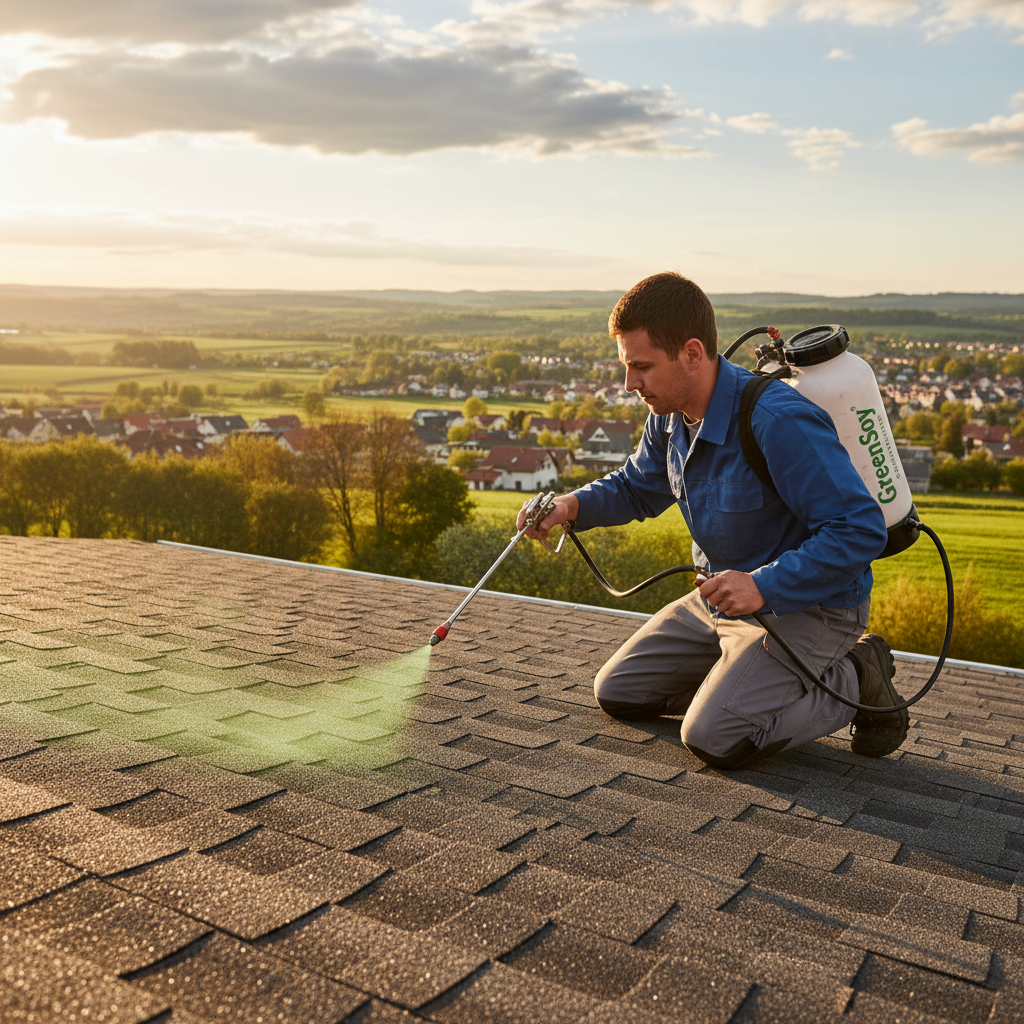
If the roof is aging but structurally sound, you’ve got options besides replacement. Roof rejuvenation is a treatment applied to asphalt shingles to help restore flexibility and slow brittleness, with the goal of buying you meaningful time before a full tear-off. In practice, that can shift your decision from “spend $11k–$18k+ now” to “spend a smaller amount now to extend service life,” with far less noise, mess, and scheduling disruption.
The ROI hinge is simple: how many years you’re buying and what you’re avoiding. A full replacement price includes tear-off, dump fees, and the risk of surprise decking work. Rejuvenation typically avoids landfill disposal and the exposed-deck window entirely, and that matters in coastal NC where NOAA alerts and wind-driven rain can turn a one-day delay into a water problem. That risk is not theoretical. Eco-wise, you’re also not throwing away thousands of pounds of shingles if the roof can safely keep doing its job.
Run the decision on “cost per added year,” not gut feel. If rejuvenation credibly adds a few years at a fraction of replacement cost, it pencils out. If you’ve got active leaks from multiple areas or soft decking, it doesn’t. Ask for a clear condition assessment: brittleness vs structural failure, plus photos of any suspect decking areas and penetrations.
Many asphalt shingle roofs that aren’t structurally failing can qualify for treatments that extend life and delay full tear-off. Read more in our article: Roof Rejuvenation Cost Vs Replacement
Asphalt Roof Replacement Cost FAQs
Does The Time Of Year Change Asphalt Roof Replacement Cost In Coastal NC?
Yes. If you can schedule in a contractor’s slower season (often late fall or winter), you may see pricing come in lower than peak spring and post-storm rush periods, sometimes by a noticeable margin. See seasonal pricing notes in this consumer cost guide from Angi.
Will I Need A Permit, And Who Pays For It?
Often, yes, and roof permit cost North Carolina typically adds a small but real line item. You should ask your roofer to state in writing whether permit fees are included in the price or billed separately so you don’t get a surprise invoice.
Why Do Prices Jump After A Tropical Storm Or Hurricane?
Demand spikes, material logistics tighten up, and crews get booked out, so “normal” pricing and timelines stop applying. If you’re getting bids during a surge, ask for the measured squares and full scope in writing, then compare cost per square so you’re not judging roof replacement cost coastal areas totals in a distorted market.
What Warranty Should You Expect On An Asphalt Roof Replacement?
You’ll usually see two separate warranties: the manufacturer’s shingle warranty and the contractor’s workmanship warranty. Don’t treat “lifetime shingles” as a lifetime roof; ask what’s required to keep coverage valid (ventilation, registered system components, transfer rules).
Any Red Flags That A Low Bid Will Turn Into A Higher Final Bill?
Yes: vague language around tear-off layers, decking replacement, flashing, and ventilation usually means change orders later. If the proposal won’t list unit prices for decking and won’t confirm layers and disposal, you’re not looking at a bargain, you’re looking at an undefined scope.
Roof not getting any younger? Contact us at Contact us or call 910-241-1152 to find out where you stand.