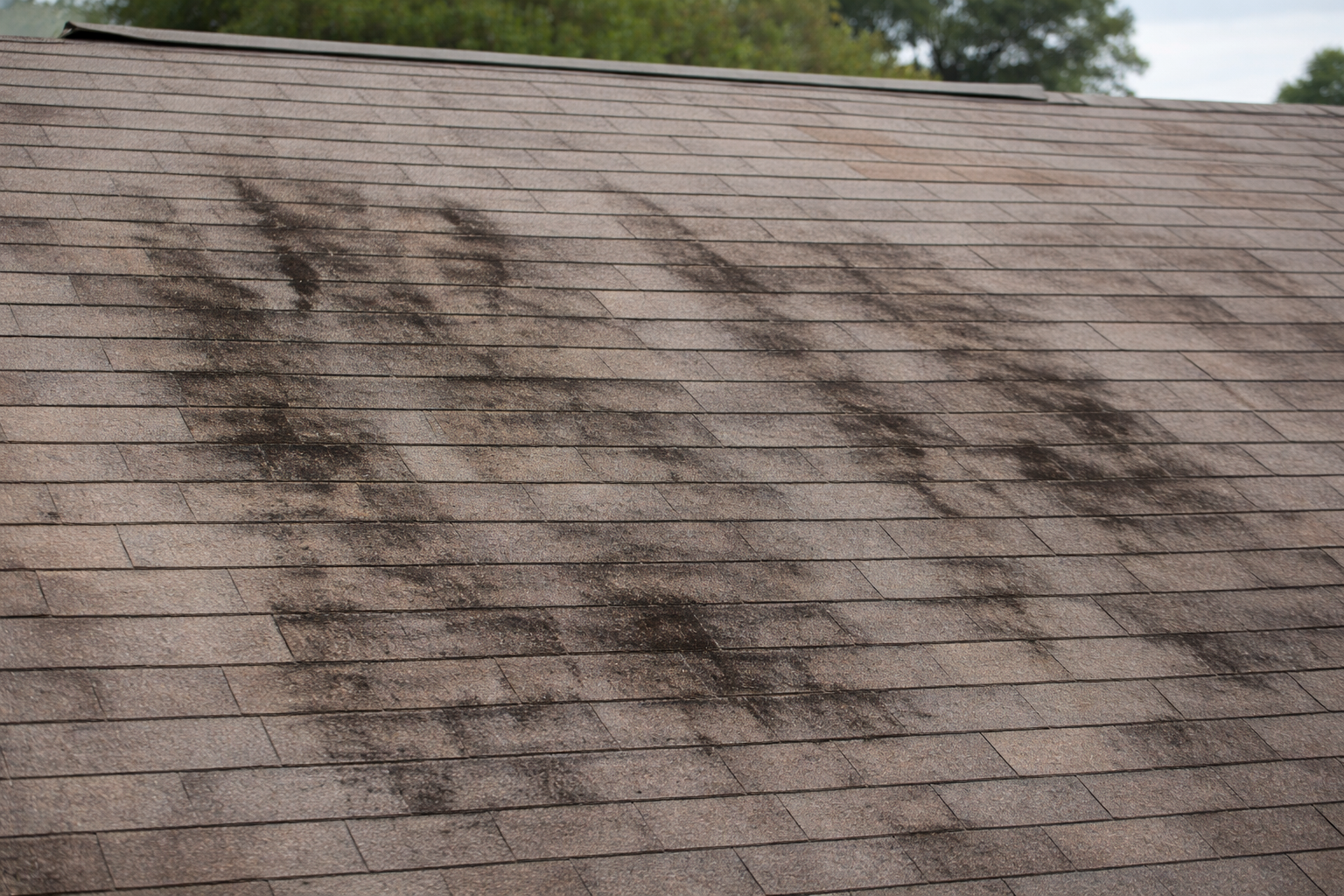
What kind of inspection should you get before deciding on rejuvenation vs replacement? You should get a decision-grade roof inspection that includes an exterior close-up and an attic or interior moisture check. It should come with photos and a short written condition summary you can compare across opinions.
That’s the difference between kicking the tires on evidence and buying someone’s confidence. In coastal North Carolina, you’re not just trying to “get more years” out of shingles. You’re trying to keep the water out when the rain comes sideways and avoid paying twice: either for a surface treatment on a roof that’s already wet underneath or for a full replacement you rushed into because a free walk-around felt urgent. The goal of the right inspection isn’t a magical remaining-life number; it’s evidence of whether your shingles are still physically viable and whether the roof system below them is dry enough to justify buying time.
Start With a Decision-Grade Baseline Inspection

If you’re deciding between rejuvenation and replacement, you need a roof inspection before replacement that can rule out hidden deal-breakers, not just confirm that shingles are “still there.” A quick exterior walk-around (or a “free inspection” tied to an estimate) is a bad default (see Angi’s roof inspection guidance). Even with strong local reviews, it can still miss deal-breakers such as widespread brittleness or failed seal tabs.
At minimum, ask for an inspection that includes an on-roof or ladder-access exterior check and an interior/attic evaluation, with photo documentation and a short written summary of serviceability. If the person won’t enter the attic, won’t document findings, or only wants to talk in urgent conclusions (“needs replacement today”) without showing you condition evidence, you don’t have decision support. You have a sales pitch.
In coastal North Carolina, a documented attic moisture check is often what separates a fixable flashing issue from a roof system that’s already wet underneath. Read more in our article: Roof Inspection Wilmington Nc
Choose Inspection Type by Risk
Angi’s 2025/2026 pricing ranges put a real price tag on peace of mind: about $75–$200 for a physical inspection and $400–$600 for infrared when you’re trying to rule out moisture.
If you’re choosing between rejuvenation and replacement, schedule convenience shouldn’t drive the inspection choice. Pick it based on the risk you can’t afford to miss. Rejuvenation is mostly a surface-condition bet, so your inspection has to answer: are the shingles still physically viable (flexible and sealed) and is the roof system dry and stable underneath?
A walkable exterior plus attic check is how you get a second set of eyes on it, like checking the framing before you pay for paint. You’re paying for someone to get close enough to test what photos can’t. They verify from inside that you’re not “extending” a roof that’s already wet. That $75–$200 is minor next to finding soft decking after you’ve already paid for a surface treatment.
| Situation / risk level | Inspection to choose | Typical added cost (as stated) | Notes |
|---|---|---|---|
| Lower risk (validate surface wear for rejuvenation) | On-roof or ladder-access exterior + attic/interior; photos + written notes | , | Focus on shingle flexibility, seal tabs, and granule loss. |
| Access problem (steep, high, fragile areas) | Add drone inspection (supplement) | $150–$400 | Better visuals; doesn’t test brittleness or subtle decking “give” (see drone inspection limitations). |
| Higher hidden-damage risk (must rule out moisture) | Add infrared (IR) | $400–$600 | Use with stain history, hard-to-trace leaks, or tight replacement timing; helps spot moisture patterns. |
If you’re in Wilmington and a nor’easter-driven leak showed up once near a bathroom fan, an attic check alone won’t settle the decision. You need an attic-first inspection (and possibly IR) to confirm whether you’re dealing with a small flashing detail that supports rejuvenation, or moisture migration that pushes you toward replacement sooner than you want.
Drone photos can be a useful add-on for steep or fragile roofs, but they still don’t replace hands-on checks for brittle shingles or subtle decking softness. Read more in our article: Typical Roof Inspection
The Findings That Flip the Decision

The call usually isn’t about whether your roof looks “worn,” and Consumer Reports home maintenance guidance gets this right: condition beats vibes every time. It flips based on whether the shingles are still physically functional and the system underneath is dry. If you treat a roof that’s already losing adhesion or hiding moisture, you don’t buy time, you risk paying twice after the next coastal blow-in rain exposes the weak spot.
-
Rejuvenation stays on the table when most shingles still flex without cracking
-
Seal tabs are largely intact, not widely unsealed or fluttering
-
Granule loss is present but not extreme
-
Problems are concentrated at repairable details (pipe boot, small flashing transition) identified in a roof flashing inspection
-
Replacement is safer with widespread brittleness or many failed seal tabs.
Brittle shingles and widespread cracking are usually a sign the roof has moved past “buying time” and into replacement-risk territory. Read more in our article: Shingle Brittle Cracking Treatment
Who Should Perform the Inspection in NC

In coastal NC, you can get two confident takes fast: the treatment seller pushes rejuvenation, and the replacement crew pushes tear-off. Without a neutral baseline, the decision becomes a referendum on who sounded more certain.
In North Carolina, cutting sales pressure starts by separating the condition call from the solution sale. You’re not just hiring eyes, you’re hiring incentives. The person who profits most from replacement or from a rejuvenation treatment can still be honest. You shouldn’t let their business model be your only source of truth.
A state-licensed home inspector is your best neutral baseline when you want an independent read on serviceability, especially if you’re worried about insurability, a future sale, or you need documentation that isn’t tied to a bid. You typically won’t get the same roof-specific repair design you’d get from a roofer, but you will usually get a more even-handed write-up and photos that help you ask better follow-up questions.
A roofing contractor makes sense when you need roof-system specifics: flashing details and what a real repair scope would look like if rejuvenation is even on the table. Case in point: if you’ve got a leak path around a chimney chase in a Wilmington wind-driven rain, a roofer is often better positioned to identify the exact failure detail and what it takes to fix it correctly.
A rejuvenation vendor can evaluate candidacy for their process (flexibility, seal tabs, granule loss), but treat that as treatment-qualification, not an all-clear. If you only listen to the most confident conclusion, you’re picking a roof strategy by charisma instead of evidence.
If you want both independence and roof-depth, start with a licensed home inspector (or a roof certification-style report where available), then have a roofer and a rejuvenation provider respond to the same photos and findings.
What to Ask for in the Report
For the next big storm, you want a file that gives any roofer, insurer, or buyer the same read on what happened. A good report gives you claims you can verify instead of guesswork.
You’re paying for evidence you can compare across opinions, not a vibe like “looks okay,” and you shouldn’t accept a report that reads like an HomeAdvisor / Angi contractor reviews blurb. Without roof-plane locations and clear attic moisture notes, you can’t choose rejuvenation with confidence. You’ll default to whoever sounds most certain.
Ask for these deliverables in writing as a residential roof inspection checklist
-
Photos by roof plane (front/back/left/right, plus close-ups at penetrations and any problem areas), so you can see whether wear is isolated or widespread.
-
Attic/interior notes with photos: stains and damp sheathing.
-
Clear moisture evidence language: “active leak,” “prior staining,” or “no moisture indicators observed,” plus where they looked.
-
Serviceability or remaining-life phrasing (or a roof certification-style statement if offered): not a promise, but a documented condition call you can use for timing and budgeting.
-
Shingle identification and compatibility notes (brand/model if possible and approximate age) (see asphalt shingle industry guidance on consulting the manufacturer before applying coatings/rejuvenators).