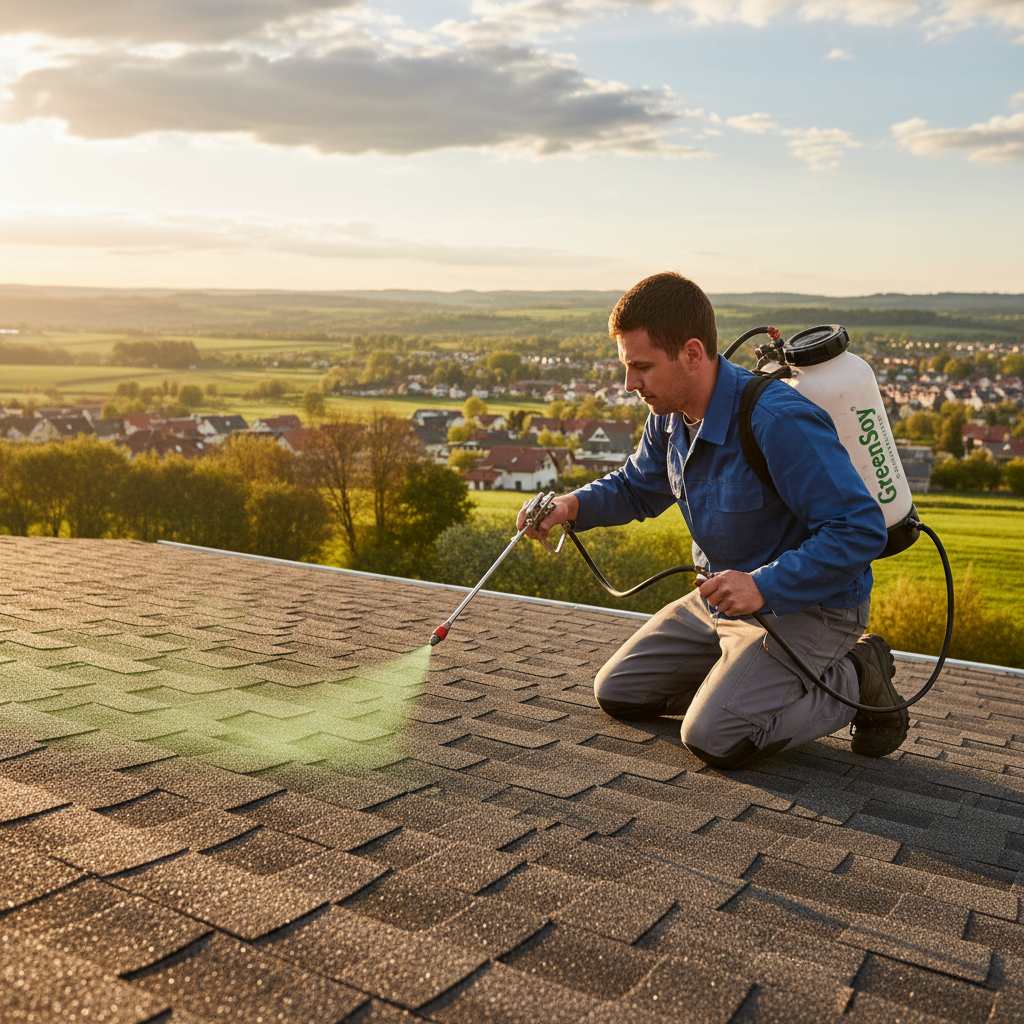
If you’re staring at cracked shingles and considering a “seal” or rejuvenation treatment, you’re probably trying to answer one money question: can you fix the cracks and do the treatment in one visit, or do you need two separate jobs. You can sometimes combine them, but only when the crack work is minor and the roof is already watertight.
If you have an active leak or widespread brittleness, you’re not choosing between one trip and two, you’re choosing between doing real repairs first or paying for a finish that won’t solve the problem. And even when the roof qualifies for a same-day “repair + treatment,” conditions like moisture under the shingle, cool temperatures, and patch cure time often decide the schedule for you. This guide shows you how to tell which situation you’re in and how to avoid getting sold a shortcut. It’s a bandage, not a cure.
| Situation / condition | Same-day repair + treatment? | Why |
|---|---|---|
| Hairline/localized shingle cracks; roof otherwise watertight; surface clean and dry | Sometimes | Repair is minor prep and treatment can adhere properly |
| A few tabs need re-adhering (no underlying damage) | Sometimes | Can be re-seated quickly before treatment in same mobilization |
| Active leak (e.g., attic staining) | No | Must restore watertightness first; treatment won’t stop the leak |
| Missing or broken shingles | No | Components must be replaced before any coating/rejuvenation |
| Failing flashing (chimney/step wall gaps) | No | Water entry details need repair; treatment doesn’t replace flashing |
| Widespread brittleness/broader damage | No | Requires real repairs; treatment can lock in problems |
| Moisture under/around the crack (damp substrate) | Usually no | Adhesion fails; you effectively create a second job |
| Cold/stiff shingles | Usually no | Lifting tabs to seal can cause new breaks; timing becomes condition-dependent |
When “one job” is realistic
You get the crew out once, the roof ends the day cleaner and more protected, and you avoid paying twice for setup and labor. That only happens when the roof is already sound enough that the “repair” is truly light prep.
You can bundle crack repair and a sealing or rejuvenation visit into one appointment only when the “repair” is truly minor prep, not actual damage correction—i.e., roof crack repair and seal same day. If you have active leaks or widespread brittleness, a treatment won’t fix that. A contractor who promises it will is selling a shortcut, not a solution.
A single-visit approach usually works when the roof is in repairable shape. You’re dealing with small, localized issues, like a couple of hairline shingle cracks or a few tabs that just need re-adhering, and the surface is clean and dry. For example, on a warm Wilmington afternoon after a dry spell, a pro can spot-seal a small crack (or re-seat a tab) and then apply a rejuvenation treatment in the same visit. Cold or damp conditions usually turn the “one visit” plan into a return trip because the materials won’t bond reliably.
Your quick test: ask, “Can you repair the cracks and then seal it, or do I need to do two separate jobs?” If it’s the first, expect repairs first and treatment after.
If you’re seeing cracks but no interior staining, an inspection can confirm whether you’re truly watertight before you pay for any rejuvenation or sealing. Read more in our article: Roof Inspection Wilmington Nc
When It Must Be Two Jobs
A treatment can look like progress at first, but the next storm often exposes the same underlying failure. If water is already getting in, repairs have to come first, and the treatment can wait.
It has to be two trips when the first visit needs to make the roof watertight, not prettier—especially for roof leak crack repair and sealing. The real question is whether you’re restoring watertightness or just covering symptoms. Active leaks or broader brittle damage require real repairs first. A rejuvenation or “seal” product doesn’t replace those components, and putting it on anyway can lock in problems and waste the treatment.
You also can’t rush conditions: if the area under a crack is damp, adhesion fails. When shingles are cold and stiff, trying to lift tabs to seal can snap them instead. Add cure or dry-time for patch materials, and a “one-and-done” schedule becomes the expensive option.
If a contractor pitches rejuvenation as a fix for leaks, it’s worth knowing what these products can and can’t do before you commit. Read more in our article: Roof Rejuvenation Stop Leaks
What to do next in Wilmington, NC
A Wilmington homeowner books a “rejuvenation” after seeing cracked tabs, then learns too late their warranty language makes the decision much less flexible. A couple of calls and a watertightness check up front can keep you out of that bind.
Manufacturer warranty language and product-compatibility rules can affect whether a coating or treatment is considered an alteration of the roofing system. Read more in our article: Roof Warranty Void
Start with a roof check that’s about watertightness, not appearance: look for active leaks (attic staining) and flashing gaps after wind-driven rain. If you’re considering any “coating” or “rejuvenator” (roof coating vs roof sealant), call your shingle manufacturer (or check your warranty docs) before you schedule it, because ignoring compatibility and warranty language is just plain reckless, especially with hurricane-season checklist weather on the NC coast (see ARMA guidance in Asphalt Shingle Roofs Are Repairable).
Then ask a roofer for a free roof estimate Wilmington NC that scopes it two ways: (1) repair-only to get you dry, and (2) repair plus treatment in the same mobilization if the roof qualifies and conditions are dry and warm enough. Don’t let “we can seal it today” push you into paying for a finish over a problem. I don’t want to throw good money after bad.
Roof not getting any younger? Contact us or call 703-673-6301 to find out where you stand.The cheapest next step is knowledge: our free roof check in Wilmington documents what’s actually there.