If you’re asking about roof life, you’re asking how long your roof can keep protecting your home. For asphalt shingles near Wilmington, NC, you’ll often see real-world service life closer to 12–18 years, not “30 years.” Your roof’s condition and coastal exposure matter more than the label on the bundle.
You don’t need a perfect prediction to make a smart call. Don’t kick the can down the road, either. You need to understand what’s shortening your roof’s life in coastal North Carolina, how long a roof lasts in real conditions, and what signs mean you can likely buy time versus when risk is climbing fast. This guide helps you estimate remaining roof life with a practical, risk-based approach. You can budget, avoid surprise interior damage, and stay ahead of insurance deadlines.
Roof Life in Coastal NC

If you’ve been anchoring on the national “20–30 years” for asphalt shingles, coastal North Carolina brings that roof life expectancy number back to earth. Treat it like a Consumer Reports reality check, not a brochure claim. Around Wilmington, it’s common to see practical service life land closer to the mid-teens, and plenty of local guidance pegs many shingle roofs in the roughly 12–18 year range when salt air, humidity, and storms stack the deck against you.
Here’s the basic cause-and-effect for asphalt shingle roof life in coastal conditions. Coastal exposure keeps your roof wet longer and feeds algae, and it adds salt-laden air that’s hard on metals and edges. That combination speeds up roof granule loss and shingle aging, and it turns “looks okay from the driveway” into a riskier bet than it would be inland. For example, a roof that drains and dries quickly in a drier climate might keep its granules and seal strips intact longer, while a Wilmington roof can spend more mornings damp, grow staining faster, and take more frequent wind events that loosen tabs.
That’s why the “lifetime” or “30-year” label shouldn’t be the number you plan around (Owens Corning explains how roofing warranties work, including non-prorated vs prorated coverage). Those warranties often don’t track real asset life, and they rarely align with the decision you actually face: how long you can run the roof before the downside risk (leaks, interior damage, insurance friction) starts climbing.
What you can do differently: base your remaining-life planning on local service history and current condition from a roof inspection, not the label. When you talk to a roofer or inspector, ask them to evaluate coastal accelerators directly, like ventilation/heat load in the attic and visible granule loss and edge wear.
Salt air and frequent wind events can quietly loosen tabs and accelerate edge wear on coastal asphalt shingles. Read more in our article: [Signs Salt Air Wind Damage Shingles]
The Roof-Life Killers You Can Control
You can do everything “right” and still lose years off a roof in Wilmington, but the painful part is when the culprit is something cheap and fixable. The most expensive roof problems often start as basic roof maintenance issues tied to moisture and heat details nobody notices from the driveway (see the U.S. Department of Energy’s overview of home ventilation and why heat/moisture management matters).
The fastest way to shorten roof life isn’t usually “bad shingles.” It’s penny wise, pound foolish upkeep that runs the roof hotter and wetter than it was designed to run. In coastal North Carolina, humidity and sun already push in that direction, so a few fixable coastal roof maintenance conditions can turn normal aging into accelerated aging. Case in point: an attic that traps heat turns your roof into a slow cooker, heating shingles from below while the surface bakes from above. You won’t see it from the yard until curling, cracking, or sudden leaks show up.
Start with ventilation and heat load, because it’s the lever you can most reliably change without touching the shingle itself. Poor intake at the soffits, blocked baffles, or weak exhaust at the ridge can raise attic temps and stress the roof deck and shingle system day after day. If you want a reality check that doesn’t require guessing, look for signals like an attic that feels brutally hot compared to outside air, bathroom fan ducts that dump moist air into the attic, or dark staining on the underside of the roof sheathing.
Next, focus on wet-time and algae pressure by improving drying and runoff. For example, trim back branches to get morning sun on shaded slopes and keep valleys and gutters clear so water exits fast. Finally, reduce storm wear by fixing the weak points before the next blow: reseal or replace cracking pipe boots and resecure loose flashing.
Granules collecting in gutters can be an early indicator that shingles are losing their protective surface faster than normal. Read more in our article: [Granules In Gutters]
How to Estimate Remaining Roof Life
Ignore the warning signs, and the first “real” clue can be a ceiling stain after a sideways-rain storm, not a friendly heads-up during a routine check of roof leaks signs. A better estimate is the one that prevents a surprise, not the one that sounds precise.
Putting an exact year on an older asphalt shingle roof isn’t responsible, and anyone claiming otherwise is selling an HGTV-style shortcut. Instead, use what you’re seeing to set a risk-based range that’s good enough for budget and timing decisions. The key is to stop treating age as the answer. Treat it as a tiebreaker.
A practical way to estimate remaining roof life is to sort findings into three urgency buckets. Green (likely time left) looks like minor, localized issues: light staining from algae and some granules in gutters without bald patches. Yellow (plan soon, monitor tightly) shows up when you see patterns that suggest the system is losing margin, like widespread granule loss and consistent edge curling. Red (replace now, or accept high downside risk) shows up when the roof can’t reliably shed water anymore: active leaks and soft spots, or widespread cracking.
| Bucket | What it typically looks like | What to do next |
|---|---|---|
| Green (likely time left) | Minor, localized issues; shingles still lie flat; no bald patches; no interior/attic moisture clues | Keep up basic maintenance; improve drying/runoff where needed; re-check after big storms |
| Yellow (plan soon, monitor tightly) | Patterned wear (granule loss, edge curling); multiple past repairs; recurring detail leaks after storms | Budget and schedule corrective work (ventilation, penetrations, flashing/valleys); document condition with photos; tighten inspection cadence |
| Red (replace now / high risk) | Active leaks; soft/sagging areas; exposed mat; widespread cracking; repeating flashing failures | Plan replacement promptly; confirm decking/valleys/penetrations with photos; prioritize preventing interior damage |
If an inspector notes “heavy staining” on a shaded slope, it can still be mostly cosmetic in Wilmington if the shingles have grit and lie flat. But if the same roof also shows attic-side clues like dark staining on the underside of the decking or damp insulation near valleys or pipe boots, treat it as structural risk, not curb appeal. The action you can take after reading this: ask for photos of the decking and penetrations, not just shingle surfaces, and base your timeline on whether water management still works, not whether the roof still “looks okay.”
A documented local inspection with photos of decking, valleys, and penetrations is one of the fastest ways to turn roof-life uncertainty into a clear risk range. Read more in our article: [Roof Inspection Wilmington Nc]
Where Rejuvenation Fits for Roof Life Extension

Some vendors claim a single treatment can add about 5+ years on the right roof, and that promise is exactly why homeowners get tempted to stretch things a little too far (for an example of how these claims are marketed, see GAF’s description of roof rejuvenation). The difference between smart extension and wasted money is whether the roof still has real margin left.
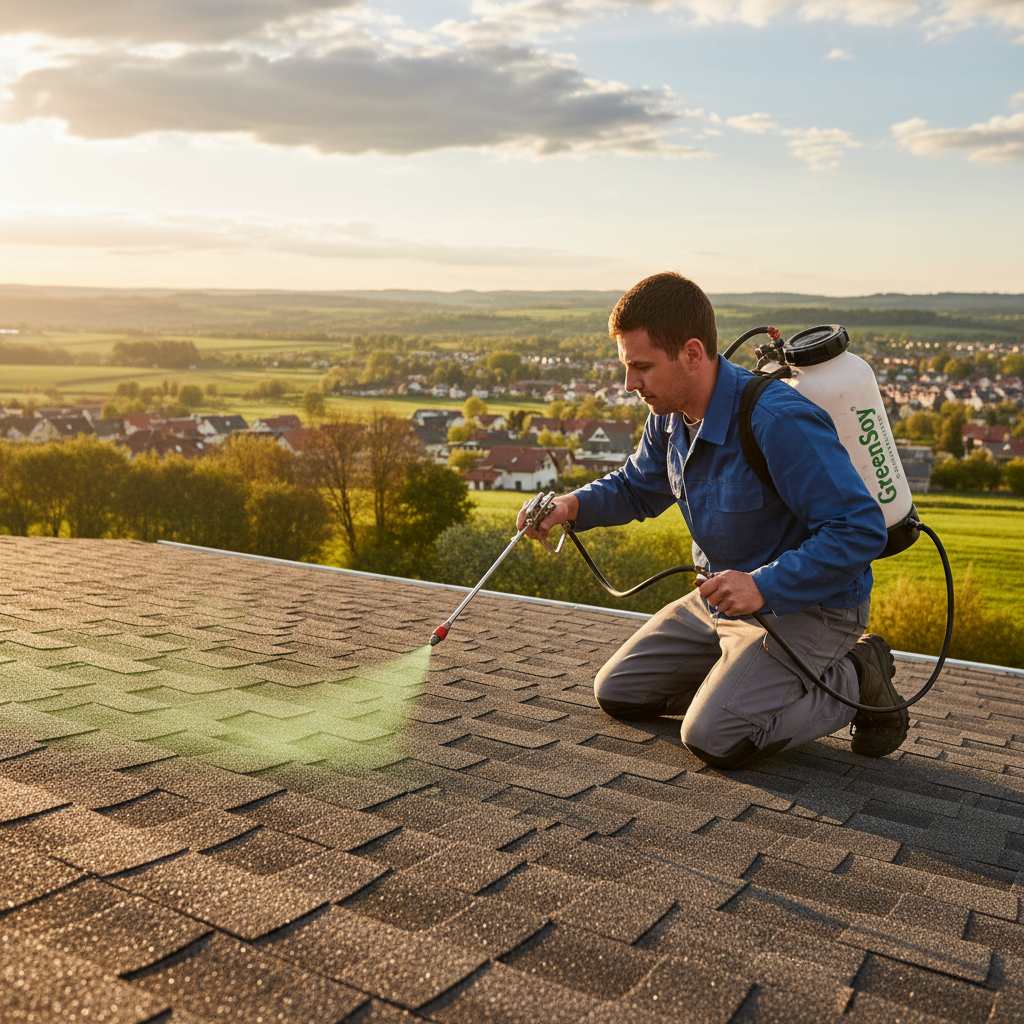
Soy-based roof rejuvenation fits best when your asphalt shingles are mid-life and still structurally intact, but have started to show drying and loss of flexibility—often the kind of candidacy homeowners search for with “roof rejuvenation Wilmington NC.” Use it to potentially buy time on an aging roof, not to salvage a roof that’s already failing. If you’re already seeing widespread cracking or exposed fiberglass mat, rejuvenation won’t change the underlying risk. At that point, the juice isn’t worth the squeeze, and it can delay the replacement you actually need.
Set expectations accordingly: the oft-marketed about 5+ years only matters if the roof still has enough “system margin” to shed water reliably after storms. What you can do differently is treat rejuvenation as a candidacy test, not a default. Treat it like a gate: ask for clear pass/fail criteria (with photos) confirming the shingles still have granules and the tabs still lie flat.
Replace Now vs Extend Roof Life
You want a call you can live with: no panicked replacement and no crossing your fingers through hurricane season. When the decision is clear, budgeting and timing get much easier.
If your roof reads Red (leaks and soft decking, or exposed mat and widespread cracking/curling), choose replace now. If it reads Yellow and you need time, choose extend by fixing heat and moisture drivers (ventilation and wet-time) and monitoring after storms. If it’s mid-life, intact, and dry but getting brittle, consider restore with rejuvenation only if it passes clear condition criteria.
“No leaks yet” isn’t a safety signal in coastal wind-driven rain, and betting on it is a bad idea. It’s like grabbing whatever’s cheapest in the roofing aisle at The Home Depot and calling it a plan. Your next move: price the path you’re leaning toward. Then spend a small amount to confirm it with photos of decking, valleys, and penetrations before you commit.
FAQ
Does a “Lifetime” Shingle Warranty Mean You Should Expect Lifetime Roof Life?
No. “Lifetime” usually describes warranty coverage terms, not real service life in coastal conditions, and coverage often shifts to prorated payouts. You should plan around local performance and current condition, not the word on the bundle.
Can Insurance Force You to Replace a Roof Even If It’s Not Leaking?
Yes. In many coastal markets, insurers may non-renew or demand repairs/replacement based on age or appearance, sometimes using aerial or drone inspections. If you’re trying to “buy time,” confirm your carrier’s roof requirements now so you don’t throw good money after bad. You don’t want to get cornered on their timeline.
Is Algae on Shingles Just Cosmetic, or Does It Shorten Roof Life?
Often it’s cosmetic, especially if shingles still have granules and lie flat, but it correlates with roofs that stay wet longer, which is when problems accelerate. Treat heavy, persistent growth on shaded slopes like a check-engine light: improve drying (trim shade, improve runoff) and inspect for moisture-related issues.
How Much Does Attic Ventilation Affect Roof Life?
A lot, and pretending otherwise is flat-out wrong. Even many Angi listings will tell you ventilation is non-negotiable because heat buildup stresses shingles and the roof deck day after day. If your attic runs brutally hot, has bathroom fans venting into it, or shows dark sheathing stains, you’re likely aging the roof faster than you realize.
If There Are No Leaks, How Do You Decide When to Replace?
Don’t use “no leaks yet” as the deciding factor; coastal wind-driven rain can turn small weaknesses into sudden interior damage. Use a risk-based call: if you’re seeing widespread cracking/curling or exposed mat, replacement is usually cheaper than waiting for the expensive leak.
Roof not getting any younger? Contact us or call 703-673-6301 to find out where you stand.Skip the ladder. Our no-cost roof inspection in Wilmington does the checking and you keep the report.