If you live near Wilmington or anywhere on the NC coast, you’ve probably realized “normal roofing advice” doesn’t match what you’re seeing on your own house. One contractor tells you your shingles are fine, another says you need a full replacement, and a third wants to sell you upgrades you can’t tell are required or useful.
This guide gives you a coastal-specific way to evaluate your roof so you can make a confident call between maintenance and replacement. You’ll learn which coastal problems tend to show up first in salt-and-wind conditions. You will also learn what you can verify from the ground and attic so you can button it up before hurricane season, and treat your roof like coastal rigging where one loose line can cost you.
Coastal Roofing: What Fails First

You can do everything “by the book” and still end up with a surprise leak after a routine windy week if the weak link is the one coastal weather targets first.
On the NC coast, your roof usually doesn’t “wear out evenly.” It fails at the weak link that matches your exposure, and that’s why two houses with the same shingles can age very differently. Treating coastal roofing like a normal lifespan countdown is flat-out misleading. Even This Old House-style rules of thumb miss the early warnings that predict leaks and insurance headaches.
First is wind uplift. It doesn’t require a hurricane; repeated gusts work at shingle edges until adhesive bonds and fasteners lose their grip, then you get lifted tabs and blown-off sections that turn one storm into emergency repairs. When you’re comparing quotes, ask what wind rating the shingle and installation method is designed to meet and whether it’s supported by recognized testing (for example, ASTM D3161 or equivalent).
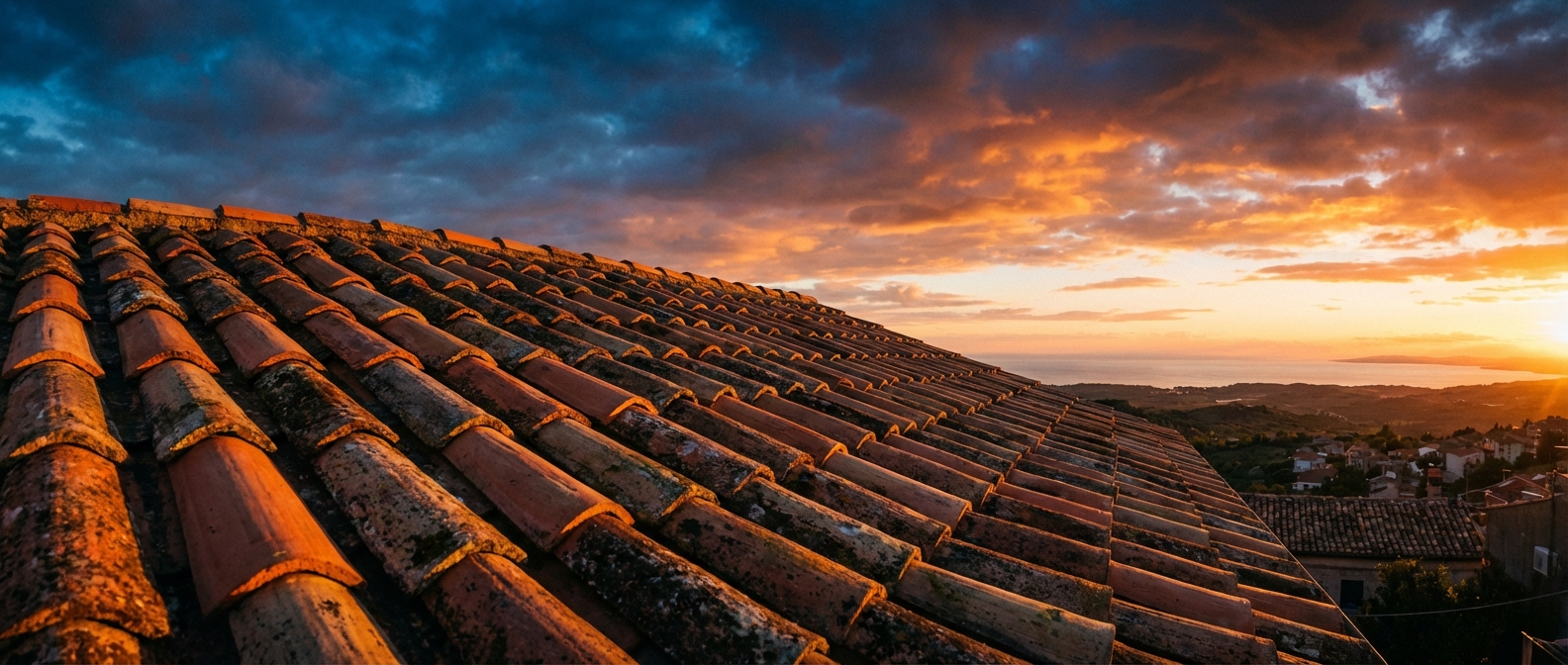
Second is salt-laden air, which accelerates corrosion in parts you don’t stare at from the driveway, like flashing and drip edge. A roof can look “fine” while those components weaken over time, then you see leaks at chimneys, valleys, and edges. Third is algae and moisture. The black streaking is often linked to Gloeocapsa magma; if it keeps returning, algae-resistant (AR) granules are typically the most effective long-term defense on asphalt shingles.
The 10-Minute Roof Triage
On the coast, roof age is a weaker signal than most people think. On the coast, one bad failure mode can force your hand even if the rest of the roof looks “fine,” and a roof that looks rough from the street can still be a good candidate for a life-extension plan. Use this quick triage to sort the roof into maintain, restore/rejuvenate, or replace. Think of it like first-aid for a roof, not a makeover.
Start with two walk-around checks and one inside check. Outside, look for wind clues: lifted or flapping shingle corners or a few missing tabs after a gusty week. Then scan the metal edges and penetrations you can see (drip edge and pipe boots) for rust streaks or obvious separation, because salt-driven corrosion often shows up there first—an early sign you may need salt air roof corrosion prevention. Inside, use attic access if you have it: look for dark staining on decking or wet insulation.
| Decision | What you’re seeing | Practical next move |
|---|---|---|
| Maintain | Shingles lie flat; granule loss looks even (not bare patches); no fresh rust-through or active staining | Plan a cleaning/gutter routine and schedule a basic inspection before storm season |
| Restore/rejuvenate | Shingles are aging (dry-looking, minor cracking, widespread discoloration) but no widespread lifting, missing sections, or ongoing leaks; heavy black streaking but tight tabs can indicate algae control/surface renewal vs tear-off | Ask for an option focused on algae control and surface renewal and confirm there’s no progressive wind-uplift or active leak path |
| Replace | Repeated blow-offs; broad areas of lifted tabs; soft spots; sagging; multiple active leak signs in the attic | Prioritize stopping the failure mode; avoid cosmetic-only spend that delays the same emergency |
If you’re on the line between buckets, take 10 photos (each slope, edges, penetrations, any problem areas) and ask a contractor to explain what they think is driving the risk and what they’d do first to stop it.
Salt air often shows up first as rust bleed at drip edge, fasteners, and pipe boots long before shingles look “old.” Read more in our article: Signs Salt Air Wind Damage Shingles
What You Can Verify on Your Current Roof
You don’t have to take “coastal-rated” on faith, but you also can’t verify wind testing like ASTM D3161 by staring at shingles from the yard. Instead, check whether the roof is still holding down in gusts and whether the coastal weak points, especially edges and metal connections, are already degrading. Only comparing shingle brand names is a bad way to shop on the coast. Do a BBB (Better Business Bureau) business profile/check, and focus on attachment and corrosion or you’ll pay for the wrong fix.
Start with wind hold-down at the edges, because that’s where uplift begins. Walk the perimeter and look for patterns: a line of lifted corners along the rake or crease marks running horizontally across tabs. Case in point: if one slope has repeated lifted tabs after every windy week while other slopes look fine, you’re seeing a fastening or sealing problem, not “normal aging.” When a roofer says your roof is wind-rated, ask them to point to evidence on your roof that the field shingles are still sealed and that the failure you’re seeing isn’t progressive.
Next, look for corrosion at the water-and-metal intersections. You can verify this without a ladder by looking for rust bleed at drip edge and around pipe boots. In Wilmington’s salt air, a roof can look acceptable from the street while the metalwork quietly becomes the leak path.
When you get an inspection, push for specific, roof-now answers: “Which flashings and exposed fasteners are already corroding?” “Do you see nails backing out or signs the adhesive bond is failing?” “What would you document with photos today that explains why this is maintenance versus restoration versus replacement?” A credible contractor won’t just name a test standard or a material. They’ll show you the exact spots on your roof where coastal forces are winning or being managed.
Algae And Black Streaks: When It’s Cosmetic Vs. Costly

A neighbor pays for a fast “make it look new” wash, and a month later the roof looks cleaner but starts shedding granules where wind already works the edges.
Those black streaks are usually algae-related, and the discoloration is often mostly cosmetic. The risk is what it implies: your roof surface is staying damp long enough for growth to keep returning, especially on shaded north-facing slopes or under overhanging trees. Over time, that damp film holds grime and can accelerate surface wear, including uneven granule loss.
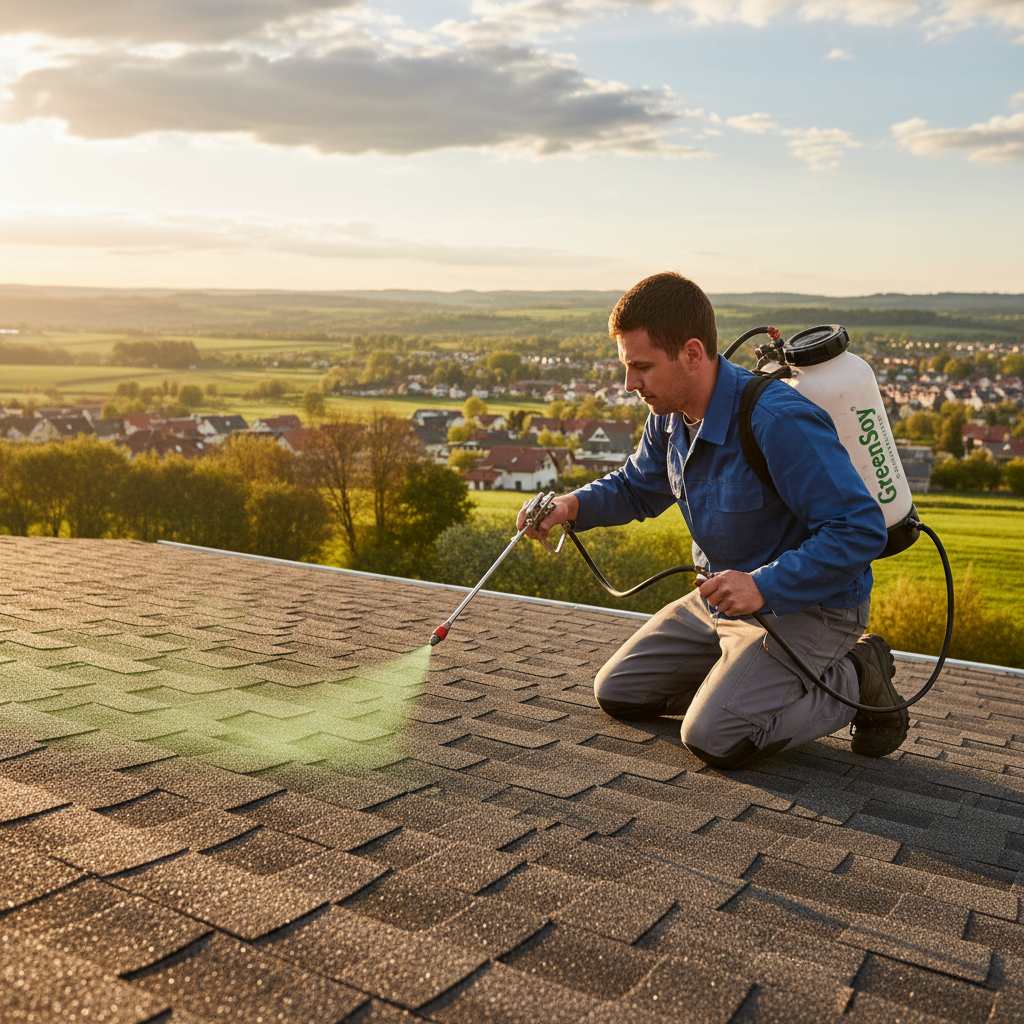
Where it turns costly is when the “fix” damages the roof. To illustrate this, a homeowner sees heavy streaks and hires a quick exterior wash. If the crew uses high pressure or aggressive brushing, you can strip granules and shorten the roof’s useful life—one reason pressure washing vs soft washing roof methods matters. Get a second set of eyes on it, because that kind of cleaning turns your shingles into sandpaper. If you’re treating streaks as a simple cleaning problem, you can accidentally create the replacement problem you were trying to avoid.
AR granules are the strongest long-term defense, but they come from the factory as part of the shingle. You can’t turn a non-AR shingle into an AR shingle with a wash or surface treatment, so be wary of anyone implying it will “make it AR.” If your roof is otherwise a good candidate for life extension, your practical goal is to stop the conditions that keep the surface wet and avoid cleaning methods that accelerate granule loss.
When you get an estimate, ask two clarifying questions: “Is this streaking just discoloration, or do you see measurable granule loss and mat exposure?” and “What cleaning method will you use, and how will you prevent scouring at the leading edges where wind already works the hardest?” If the answers stay vague or focus only on appearances, you’re not getting a coastal roofing plan, you’re getting a cosmetic pitch.
Using high pressure on asphalt shingles can remove protective granules and may void some manufacturer warranties.
Where Rejuvenation/Restoration Fits Coastal Roofing
Roof rejuvenation or restoration only makes sense when your asphalt shingle roof is aging but still structurally sound—the sweet spot for asphalt shingle roof rejuvenation. In other words, you’re not trying to “fix” wind damage or failing flashing with a coating. You’re trying to slow down drying and surface wear so you can plan a replacement on your timeline instead of after the next big gust. Treating rejuvenation like a cheaper replacement is asking for disappointment. It is not a The Home Depot (roofing aisle / contractor referral expectations) shortcut.
A good coastal candidate usually looks like this: shingles still lie mostly flat, you don’t have active leaks, and the roof’s problems are dominated by brittleness and minor cracking rather than missing sections or progressive uplift. For instance, a Wilmington home with a 10 to 15-year-old roof that’s streaked and “dry-looking” but tight at the edges can be a better fit than a newer roof that keeps losing tabs on the same rake line.
Set expectations in maintenance windows, not miracles. Many programs position one application as roughly 5 years of added service life, with re-application cycles that can add up to about 15 years total when the roof keeps qualifying.
Rejuvenation usually goes wrong in three ways: it gets used instead of a needed replacement, the plan ignores wind hold-down and salt-driven metal corrosion, or it gets sold as an algae-resistance fix. You can address discoloration, but you can’t add true AR granules to an existing shingle, so make sure the plan matches what’s actually possible.
Choosing a Coastal Roofing Provider
The U.S. sends 11+ million tons of asphalt shingle waste to landfills each year, and a lot of that comes from roofs that were replaced earlier than they needed to be.
You don’t need a “coastal” roofer who says the right buzzwords. You need one who can show, in photos and scope details, how they’ll manage wind uplift and salt-driven corrosion on your house. If a contractor can’t connect your symptoms (lifted tabs at a rake or rust bleed at a pipe boot) to a specific plan, the bid is mostly sales copy, even if the price looks sharp.
Start by pressure-testing proof and paperwork, not promises. Do it right the first time, and treat the scope like a pre-flight checklist you can audit. For example, if they claim a wind-ready install, ask what wind-rating standard the shingles and install method are designed to meet or how they document it. You can’t personally run ASTM D3161 tests, but a credible provider will point to the manufacturer’s rated system, install requirements, and the exact edge and starter details they’ll use to resist uplift.
Use these questions to keep the scope honest, especially when you’re comparing roof restoration vs replacement:
-
“What will you photograph and measure today that proves this is maintenance, rejuvenation, or replacement?” You’re looking for labeled photos of edges and any lifted or creased areas.
-
“Which metal components are you replacing or reusing, and why?” In salt air, flashing and drip edge can be the real failure point, not the shingle field.
-
“What exactly makes this ‘eco-friendly’?” If it’s a rejuvenation product, ask what it’s made from (formulation varies) and what it won’t do, like turning a non-AR shingle into an algae-resistant one.
-
“What’s the service-life expectation and re-application schedule?” A serious rejuvenation pitch talks in intervals (often around 5 years per application), not ‘like-new’ claims.
-
“What warranty applies in a coastal environment, and what voids it?” Get exclusions in writing, especially anything tied to proximity to saltwater or required ventilation details.
-
“How does your price break down by scope?” A low number that includes ‘more protection’ can still skip the labor-intensive parts that prevent callbacks, like edge work and flashing replacement.
A practical tell: if they can’t give you a clean, line-item scope and a short set of annotated photos you can keep, you’ll struggle later with insurance documentation, warranty claims, or holding anyone accountable when the first windy week finds the weak spot—especially after a roof inspection Wilmington NC homeowners can reference.
FAQ
How Much Does Coastal Roofing Rejuvenation Cost Compared to Replacement?
Most rejuvenation programs are positioned as substantially less than a full tear-off, often cited as up to about 80% less, but your real number depends on roof size and how much repair work is needed first—so treat it like a roof rejuvenation cost range, not a fixed quote. Ask for a line-item quote that separates any repairs (flashing, edge work, seal-ups) from the treatment itself.
How Long Does a Rejuvenation Treatment Last?
A common planning number is about 5 years per application, with re-application cycles that can add up to roughly 15 years total if the roof keeps qualifying. Treat it like a maintenance interval: you’re buying time, not resetting the roof to new.
Will Rejuvenation Make My Roof “Hurricane Ready”?
No, it won’t fix wind-uplift risks like poor edge details or missing shingles. If you’re worried about storm performance, focus first on wind-rated system details and the specific weak spots your inspector can document with photos.
Is It Safe to Pressure Wash Black Streaks Off My Shingles?
High pressure and aggressive scrubbing can strip granules and shorten roof life, even if it looks cleaner right away. If you’re hiring a cleaning, require a shingles-safe method in writing and ask how they’ll avoid scouring at leading edges and ridge/hip caps.
When Do Insurance, Permits, or Code Requirements Matter Most?
They matter any time you’re doing a replacement or significant repair scope, and they can also matter when you’re documenting wind-mitigation features for claims. Before you sign, ask your contractor what permit they’ll pull (if any) and ask your insurer what documentation they’ll accept for storm-readiness or coverage decisions.
Roof not getting any younger? Contact us or call 703-673-6301 to find out where you stand.Our free Wilmington roof inspection and report covers exactly these problem spots and hands you the findings in writing.