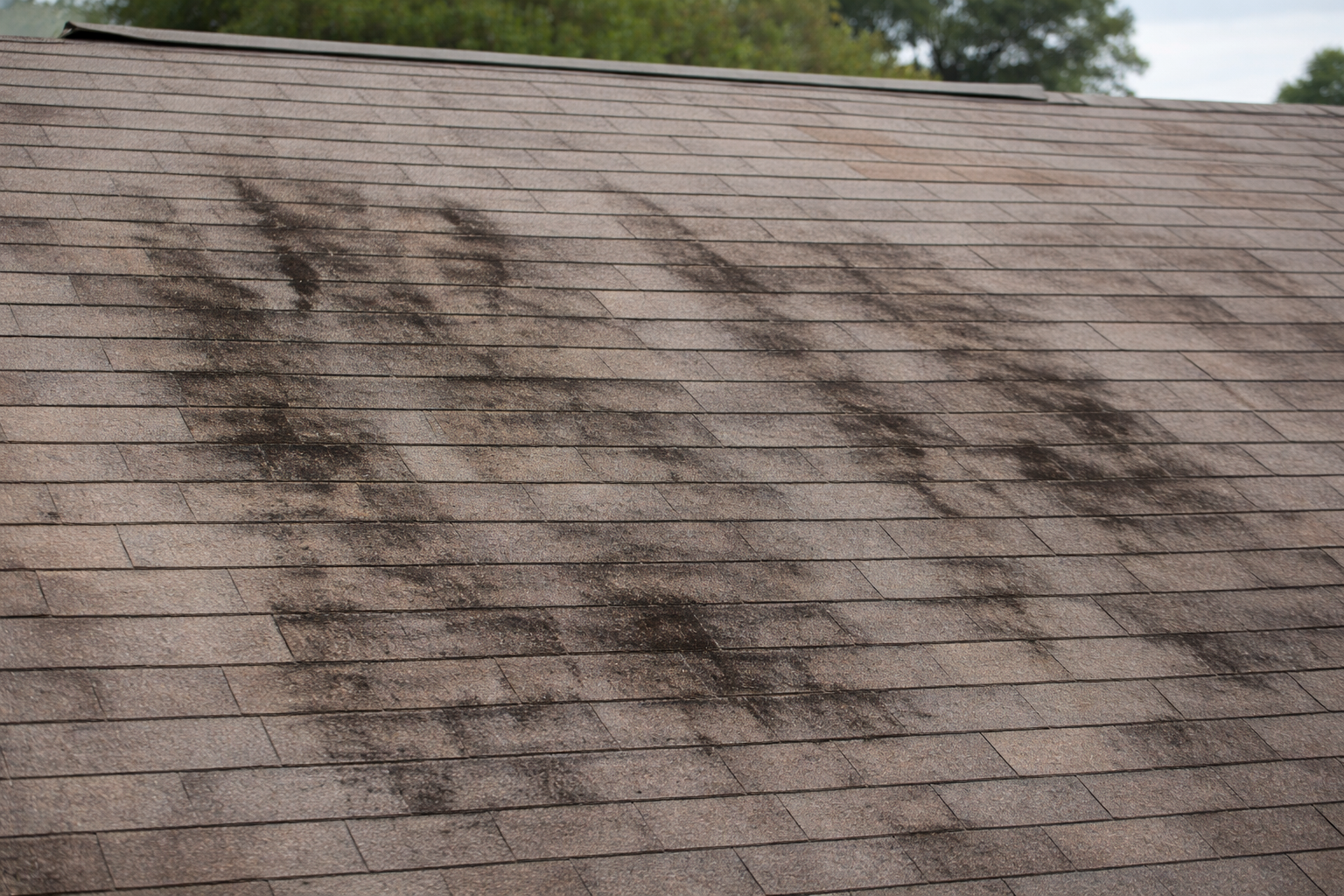
Your roof can look “mostly fine” from the yard and still be close to its decision point. When you’re in coastal North Carolina, that pressure gets sharper because sun and wind-driven rain can turn small weaknesses into leaks fast.
Here’s the comparison that matters: rejuvenation may add a few years to the roof you have, while replacement resets service life on a much longer horizon. In the sections below, you’ll see what “added years” usually means in real terms and the inspection clues that tell you whether rejuvenation is a smart bridge or just a costly delay before you replace anyway.
The Realistic Timeline: Rejuvenation vs. Replacement

Rejuvenation typically extends the remaining service life of your current roof a bit. It is not a do-over. In real-world homeowner terms, for how long does roof rejuvenation last, a conservative expectation is around 5 added years (often aligned with how many rejuvenation warranties are written, and commonly limited to shingle flexibility rather than a leak-free guarantee per independent-trade guidance like GAF’s roof rejuvenation overview), with higher “5–15 years” claims depending on roof condition and exposure. Replacement starts you over with a new roof system. It is like rolling the odometer back to zero, with mainstream guidance still putting a new asphalt shingle roof in the broad 15–30 year lifespan range (as summarized in homeowner references like Architectural Digest’s asphalt shingle roof lifespan guide), depending on shingle type and climate.
If you’re thinking “rejuvenation will make my old roof last like a new one,” you’re kicking the can down the road and setting yourself up to misread the tradeoff. Anchor the tradeoff in outcomes: rejuvenation aims to stretch what’s left; replacement resets your baseline. Your next step is to ask the contractor what they’re actually warranting (often shingle flexibility performance for a few years), and whether that aligns with the outcome you care about: staying leak-free through the next few hurricane seasons.
When Rejuvenation Actually Buys Years
A neighbor gets a “miracle spray,” feels relieved, and then finds a ceiling stain after the next heavy coastal rain. The difference usually wasn’t the product, it was whether the roof was still in the narrow window where treatment can work.
Rejuvenation only pencils out in a middle window where shingles are drying out, yet the roof assembly is still sound. If your roof is relatively new, paying to “extend” life you already had is a bad deal, like impulse-buying a fix in the Home Depot or Lowe’s aisle just because it is right there. If it’s already failing, the treatment mostly becomes a cosmetic spend. Replacement is still likely in the near term.
If your shingles are already drying out or turning brittle, the result you get from rejuvenation depends heavily on how much flexibility is left in the tabs. Read more in our article: Shingle Brittle Cracking Treatment
-
Shingles still lie fairly flat and seal
-
No widespread bald spots or fiberglass showing
-
No active leaks around chimneys, valleys, or vent boots
What Rejuvenation Can’t Extend

If you treat the shingles and assume the whole roof is now safer, you can walk straight into the most expensive version of “maintenance.” The weak point that was already close to failing does not care that the surface looks refreshed.
Rejuvenation mainly affects shingle flexibility and surface aging, but it doesn’t extend the components that usually determine leak risk. In Wilmington-style wind-driven rain, a roof often fails at the weak links first, like a chain that only holds as well as its weakest link, not because the field shingles suddenly got too stiff.
It won’t fix deteriorated flashing at a chimney or a cracked vent boot. When those details are already near failure, a shingle treatment may improve appearance without changing performance. Your leak risk often stays about the same. After a rejuvenation quote, ask what they’re doing (and warranting) for penetrations and flashings, not just the shingles.
Most “new leak after treatment” calls trace back to flashing and penetrations (chimneys, vents, and pipe boots), not the shingle field itself. Read more in our article: Roof Leaks Chimneys Vents
Coastal North Carolina Reality Check

On a Wilmington-area roof, the same “added years” claim usually comes with more risk than it would inland. Salt air and strong sun accelerate drying, and wind-driven rain finds tiny weaknesses around valleys and vent boots long before the shingle field looks terrible. One named storm can erase the extra time you thought you bought. That is the plain truth. If you’re using rejuvenation as a bridge, treat hurricane-season readiness with a NOAA-style storm-readiness mindset and algae management as part of the decision, not optional add-ons.
A post-storm roof check in coastal Wilmington often catches missing shingles, lifted tabs, and fastener-backed flashing before small openings become interior leaks. Read more in our article: After Hurricane Roof Check
Cost per Added Year (Numbers)
A roof replacement cost vs rejuvenation decision can be either smart or brutal depending on how many real years it buys you. With rejuvenation often quoted around $500–$2,000 and replacement around $8,000–$20,000 (ranges commonly shown in homeowner cost summaries like Forbes Home roofing cost guidance), the math only works when the timeline is credible.
Rejuvenation only wins financially if the added years are real.
| Option / scenario | Typical upfront cost | Credible time gained / life | Rough cost per year |
|---|---|---|---|
| Rejuvenation (conservative case) | $500–$2,000 | ~5 added years | ~$100–$400 / added year |
| Replacement (typical range) | $8,000–$20,000 | 15–30 years | ~$270–$1,330 / year |
| Rejuvenation if it only buys 1–2 years | Example: $1,500 | 1–2 years | ~$750–$1,500 / year |
At $500–$2,000, a credible ~5-year extension lands around $100–$400 per added year. At $8,000–$20,000 over 15–30 years, replacement comes to roughly $270–$1,330 per year. That’s why rejuvenation can look like a bargain on pencil-and-paper math when you need a bridge.
But “cheaper now” turns into “expensive later” the moment you pay for rejuvenation and still replace soon after. It is penny wise and pound foolish. If you spend $1,500 and only get 1–2 years before a reroof, you’re effectively paying $750–$1,500 per year just to postpone the same replacement cost. If you want to make a rational call, you can’t compare invoice totals; you have to compare credible added years.
The Inspection Questions That Decide It

When you have the right questions, you stop buying reassurance and start getting evidence. The goal is to leave the appointment knowing whether you are paying for real added time or just paying to find out later.
You don’t need a sales pitch. You need proof your roof is still in the treatment window. A roof can look “mostly fine” from the yard and still be one storm away from failing at a flashing, valley, or vent boot, classic signs you need roof replacement.
Ask these on-site and get straight answers, not Nextdoor rumors.
-
What specific pass/fail signs did you see (granule loss to mat, brittle tabs, widespread lifting/curling, exposed fiberglass), and which slopes?
-
Any active leaks or soft decking signs in the attic, around chimneys, valleys, skylights, or vent penetrations?
-
What will you repair before any treatment (boots, pipe collars, seal tabs, flashing details), and is that work included and warranted?
-
How’s the ventilation (intake/exhaust balance, blocked soffits), and do you see heat or moisture issues that will shorten any “added years”?
-
What exactly does the rejuvenation warranty cover and for how long (often about shingle flexibility, not “no leaks”), and what would void it?
FAQ
Does a Rejuvenation Warranty Mean You’ll Be Leak-Free for That Long?
Not necessarily. Do it right the first time. Many rejuvenation warranties are written around shingle performance (like flexibility) for about 5 years, not a whole-roof “no leaks” guarantee, because most leaks start at flashings or penetrations.
How Many Extra Years Should You Expect in Real Life?
A conservative expectation is about 5 added years when your roof is in the treatment window; bigger “5–15 year” claims depend heavily on condition and exposure. Treat it as buying time, not turning an old roof into a new 15–30 year roof.
Can You Rejuvenate More Than Once?
Some systems market repeat treatments, but you should treat each one as a new eligibility decision based on current wear, not an automatic renewal. Ask what would disqualify you next time (granule loss to the mat or recurring leaks).
What If a Storm or Hurricane Damages the Roof After Rejuvenation?
Storm damage can wipe out the time you thought you bought, especially with wind-driven rain common near Wilmington. If you have missing shingles or new leaks, handle it as a damage and repair or replacement decision first, not a “spray and hope” decision.
Will Rejuvenation Help or Hurt When You Sell the House?
It can help if you present it as documented maintenance with clear scope and warranty terms, but it won’t erase an old roof’s age in an inspection. Keep the receipt and any pre-treatment inspection notes so a buyer doesn’t read it as a cosmetic cover-up.
Roof not getting any younger? Contact us or call 703-673-6301 to find out where you stand.