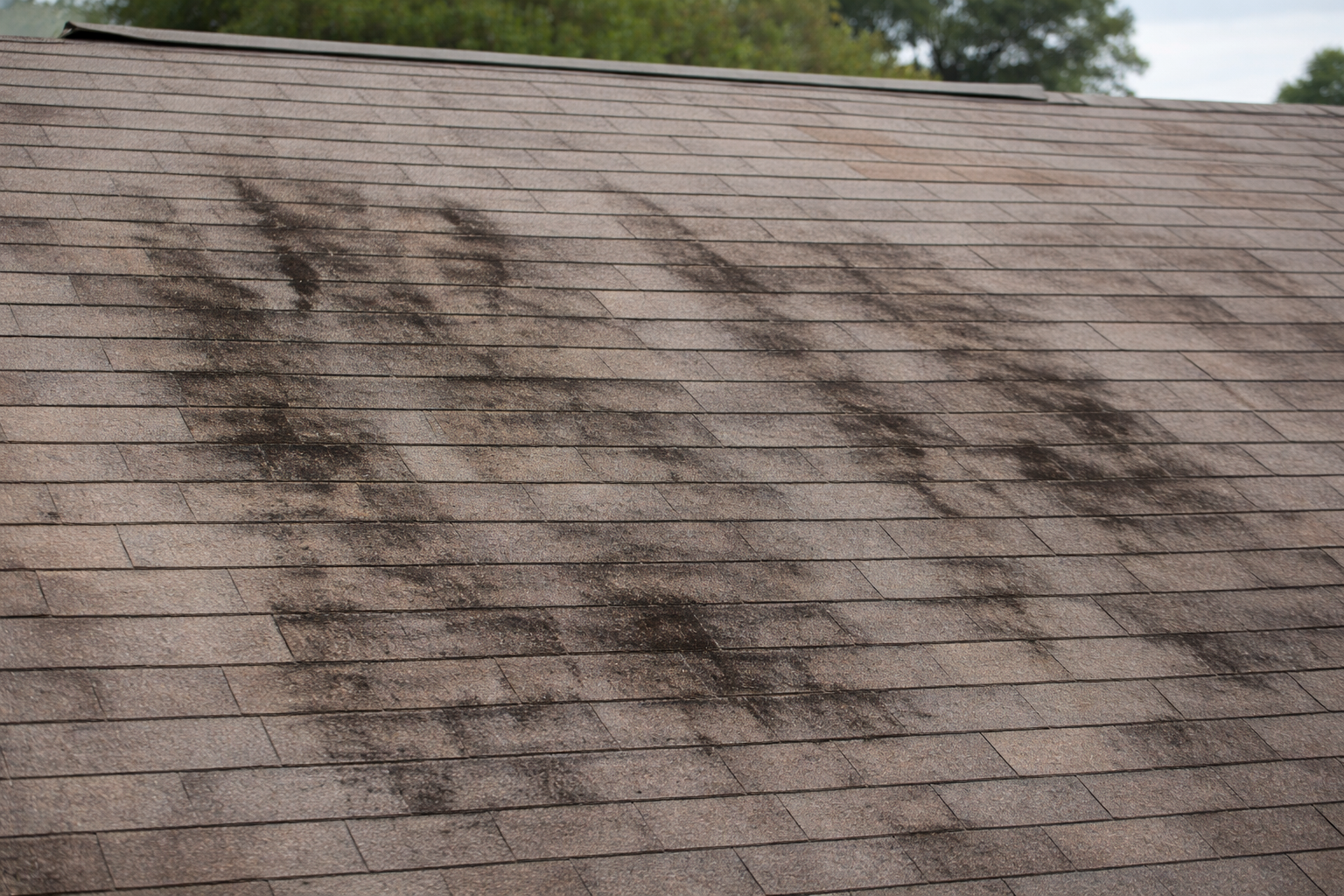
A roof leak doesn’t automatically mean you need a full replacement (see Modernize’s repair vs. replace overview). If the leak traces to one entry point and your shingle field is still in good shape, you can often repair the detail and, in some cases, restore (rejuvenate) the roof to buy time. If leaks keep returning or show up in multiple spots, patch it and limp it along stops working. Replacement is usually the smarter move.
In coastal Wilmington, wind-driven rain can make a small weakness look like a big mystery, especially because water can travel before it shows up as a ceiling stain. This guide helps you sort your situation into the right bucket, so you can stop the active leak first and avoid paying for a tear-off when the problem is really a flashing-and-details fix.
The Fast Rule: When Leaks Mean Replacement

You fix one stain, and two storms later it is back, then it shows up in a different room. That is when a roof stops being a simple repair and starts acting like a system that is failing in more than one place, roof leak repair vs replacement.
A single leak often points to one failed detail. Recurring leaks usually mean the roof system is failing across more than one area. You should treat replacement as the default when leaks keep returning after repairs or when you see signs of broad shingle failure (widespread cracking and bald spots from granule loss), as outlined in this shingle roof repair vs. replacement checklist. In coastal NC, wind-driven rain keeps finding weak spots. Treat your roof like a hurricane-season prep checklist, not a scavenger hunt, because “we’ll just chase it” gets expensive fast.
Soft decking, visible sag, or moisture in multiple attic areas is a clear sign to move to replacement. At that point, restoration won’t change what’s worn out.
Find the Leak’s Category First
A homeowner in Wilmington is sure the leak is above the kitchen, but the roofer finds the entry point at a vent boot two roof planes away. When water gets wind-driven and sideways, guessing the source is how you pay twice.
Before you decide “restore or replace,” force the leak into a category. Stains don’t reliably map to where water gets in. For example, water can ride a nail line or rafter bay and show up feet away. It can kick the can down the road like it is running a hidden track, so vague talk like “the whole roof is compromised” can be pure guesswork.
Most residential shingle leaks land in one of four buckets: flashing/penetrations (chimney and vents), localized shingle damage (a small patch from wind or a branch), widespread field failure (many weak spots across slopes), or decking/attic moisture (condensation or rot). Once you name the bucket, the next step becomes clear.
In Wilmington’s wind-driven rains, a lot of “mystery” leaks actually start at chimneys, vents, and other roof penetrations. Read more in our article: [Roof Leaks Chimneys Vents]
Make It Watertight With Targeted Repairs

If water is getting in, the first job isn’t “restoration,” it’s making the roof watertight at the actual entry point. On an asphalt shingle roof, that typically means a focused fix like reworking chimney or wall flashing and swapping a small run of wind-lifted shingles.
Don’t let anyone sell you a broad treatment while the leak path is still open. That is a bad deal, even if their Angi profile looks spotless. A rejuvenation spray may help aging shingles, but it doesn’t function like a patch. What you can do differently: require the contractor to name the leak category and the exact detail being repaired, then confirm the drip stops before you evaluate any “restore” option.
Small patch jobs can sometimes create new weak points if the underlying issue (like flashing, fasteners, or brittle shingles) isn’t addressed at the same time. Read more in our article: [Small Roof Repair Risks]
Can Roof Restoration Help After Leaks?
You stop the leak, and now the goal shifts to stretching the roof’s remaining life without gambling on a full tear-off. In the right window, a treatment can be a bridge that keeps an aging shingle field behaving like a roof, not a brittle surface.
Yes, roof restoration (often marketed as shingle rejuvenation) can help after leaks, but only in the sense that it may buy time on an aging asphalt shingle roof by improving flexibility and slowing brittleness. As an example, if your shingles have started to look dry and stiff but your roof is otherwise intact, a rejuvenation treatment can support the shingles’ ability to shed water and resist cracking.
Restoration treatments don’t substitute for an actual leak repair. It won’t fix a bad pipe boot or a lifted flashing edge that’s letting wind-driven Wilmington rain get underneath. If someone implies a spray-on treatment will “seal the roof” without naming and correcting the entry point, the juice isn’t worth the squeeze. Spray is sunscreen, not a raincoat.
A Wilmington-area Decision Checklist
| Situation (quick filter) | Prioritize next move |
|---|---|
| Under ~75% of expected life; one leak point; shingle field mostly sound | Targeted repair first; then consider rejuvenation to buy time |
| ~75%–80%+ through life; multiple or recurring leaks; widespread curling/cracking/granule loss; heavy algae/moisture keeping roof wetter between rains | Start planning replacement now. Think Costco-style value, not wishful thinking. |
FAQ
How Much Do Repairs vs. Replacement Usually Take?
Most targeted leak repairs can be completed in a few hours to a day once materials are on hand. A full asphalt shingle replacement is commonly a 1–3 day job for an average home, plus scheduling lead time. Weather and wood-decking repairs can add time.
What Should a Real Roof Leak Inspection Include?
You should expect the contractor to identify a specific leak category and entry detail (for example, a pipe boot or chimney flashing) and show you photo evidence from the roof or attic during a roof inspection Wilmington NC. If you only hear “the roof is compromised” without a pinpointed pathway, you’re being asked to buy a conclusion instead of a diagnosis.
A legitimate inspection should document the leak path with photos and spell out pass/fail findings so you can compare repair, restoration, and replacement on the same facts. Read more in our article: [Typical Roof Inspection]
Will Rejuvenation or “Restoration” Void My Shingle Warranty?
It can, depending on your shingle manufacturer and whether the roof is still under a material warranty, so check your paperwork and get the manufacturer’s stance in writing before any treatment. Treat rejuvenation as a way to potentially buy time on aging shingles, not as something that replaces proper leak repairs.
How Often Will I Need Algae or Softwash Maintenance Near the Coast?
In humid coastal North Carolina, algae and biological growth tend to return, so plan on a maintenance cycle about every 2–4 years rather than expecting a one-time cleaning to last forever (similar intervals are noted by the National Softwash Authority). If your roof stays shaded and damp, you may need the shorter end of that range.
What Should I Ask So I Don’t Get Pushed Into an Unnecessary Replacement?
Ask: “Where exactly is the water getting in, and what evidence shows that?” then “If you repair that detail, what would you monitor to decide whether restoration is next?” If they won’t put the leak location, repair scope, and pass-fail signs in writing, you can’t hold the plan accountable.
Roof not getting any younger? Contact us or call 703-673-6301 to find out where you stand.Before spending on any fix, HardShore’s free roof inspection with a written report tells you whether you need one at all.