A ceiling stain after a coastal downpour can make you feel like you’re one bad storm away from writing a five-figure check. Then you get quotes that don’t even sound like the same job: one contractor sells a simple repair, and another promises a one-day “rejuvenation” that buys you years.
This guide helps you sort out what’s realistic for an aging asphalt shingle roof in Wilmington and nearby coastal North Carolina.
| What you’re seeing | Most likely direction | Why (from this guide) | Next verification |
|---|---|---|---|
| Widespread active leaks or deck damage | Replace | Past localized failure; wind-driven rain finds multiple weak spots | Attic/decking check for soft spots, sagging, stained sheathing |
| Already two layers of shingles | Replace (tear-off) | Overlay/recover commonly disallowed due to code/weight limits | Confirm layer count and local requirements |
| Severe, widespread shingle failure (brittleness/cracking/curling/exposed mat/heavy granule loss) | Replace | Rejuvenation won’t fix structural shingle failure; exposed mat is a hard stop | Lift-test a shingle for flexibility; inspect for exposed fiberglass mat |
| Localized issue at one detail (pipe boot/flashing/chimney) | Repair | Specific failure point can be fixed without touching the whole roof | Identify exact entry point; inspect adjacent decking for spread |
| Damage/suspect area under ~25–30% of roof | Repair or restore + targeted repairs | Often pencils out before failure becomes distributed | Ask bidders to mark % compromised on a roof map |
| Damage trending past ~25–30% or repeat leak calls | Replace (or at least full slope) | Distributed failure makes “saving now” risk paying twice | Compare scopes: slope-level vs full replacement; get expected added years in writing |
You’ll learn the signs that point straight to replacement. You’ll also get ahead of it with costs and warranties, so you don’t pay twice for a leaky hull.
The Three Fast Deal-Breakers
You can spend weeks chasing the “one little leak” and still end up paying for the full job after the next wind-driven rain finds the next weak spot. The fastest wins come from spotting the few conditions that make partial fixes a trap.
If any of these show up, you’re usually past “repair or rejuvenate” and into replacement territory, even if the roof still looks decent from the yard. In this climate, wind-driven rain exposes weak spots quickly. That approach often turns into two rounds of spending.
-
Widespread active leaks or deck damage: multiple leak points, soft spots, sagging, or stained sheathing in the attic.
-
Too many layers (code/weight limits): if you already have two layers, most areas won’t allow a re-cover; tear-off becomes mandatory.
-
Severe shingle failure: widespread brittleness, cracking/curling, exposed fiberglass mat, or heavy granule loss across large areas.
What “Repair” vs “Restore” Really Changes

A neighbor gets three bids and swears two of the contractors must be scamming, because the numbers are miles apart. Then the scopes land side by side, and it turns out they were never pricing the same outcome in a roof repair vs replacement decision.
When contractors say “repair” or “restore,” they might be talking about completely different scopes and risks. If you don’t force a clear definition, you’ll compare a $600 patch to a $6,000 refresh. That is like pricing one shingle against the whole roof. People call it gouging. Consumer Reports would not.
With a repair, the contractor addresses one known failure point and leaves the rest of the system in place. Typical scope includes a small shingle swap or a single flashing or boot fix. That can work well when the problem is truly localized, but a single interior stain doesn’t prove the entry point is small, because water can travel along the decking before it shows up.
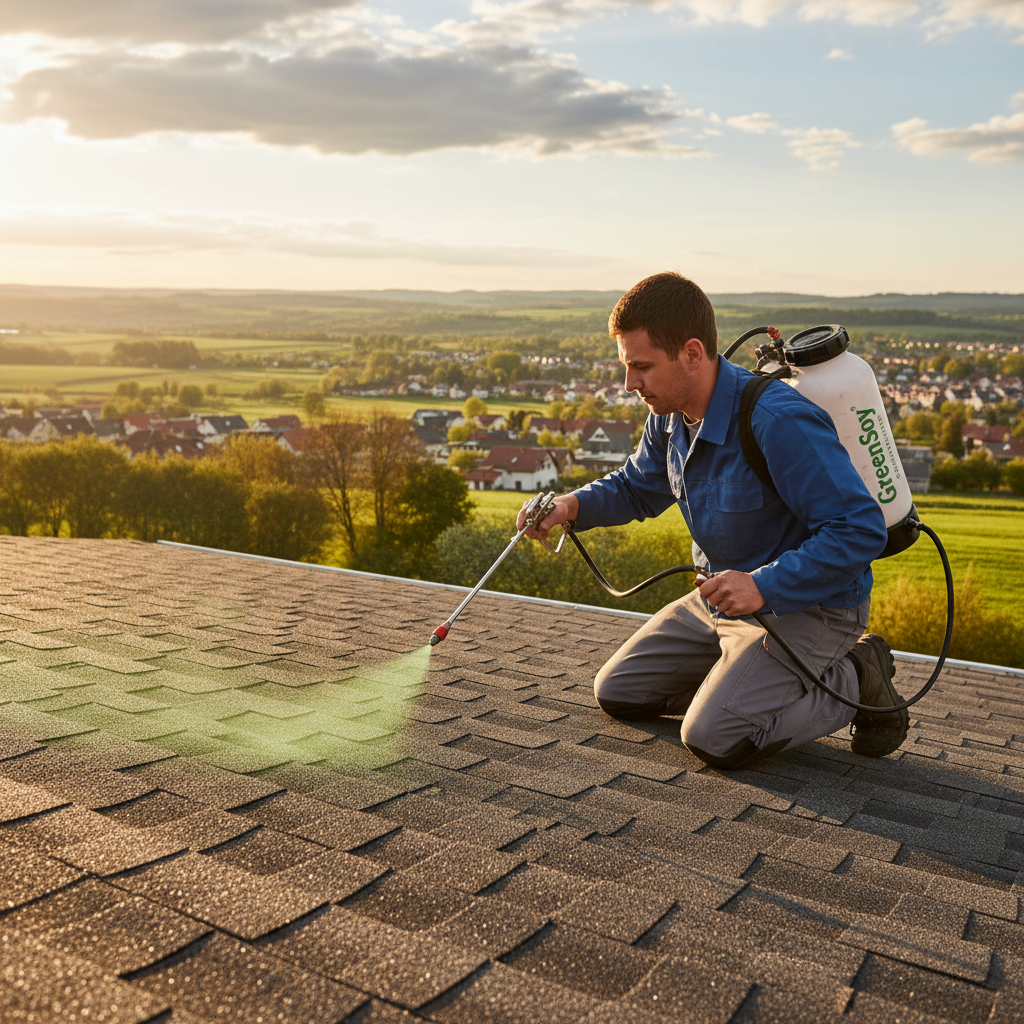
A restore is usually pitched as life extension across a wider area, without a full tear-off. On asphalt shingles, that often shows up as rejuvenation plus minor repairs: you address obvious leak points, then apply a roof rejuvenation Wilmington NC treatment meant to improve flexibility and slow brittleness. The honest question isn’t “Will it look better?” It’s “What failure modes does this not solve?” It won’t correct rotten decking or bad ventilation.
There are also two middle-ground scopes that get mislabeled. Slope-level replacement means replacing an entire roof plane (for example, the whole back side that took the wind), which can be more reliable than chasing scattered damage. Overlay/recover means installing new shingles over one existing layer; code commonly limits you to one layer, and the added weight can turn a “simple” option into a structure question.
What you can do now: require each bidder to name the exact scope and list what they’ll open and inspect (attic and decking).
Repeat leak calls are one of the clearest signs that “small fixes” can snowball into paying twice if the underlying roof system is aging out. Read more in our article: Small Roof Repair Risks
Can My Roof Be Repaired or Restored?
You can usually repair or restore when the roof’s problems are localized and the shingles still have enough “life” to flex and shed water in wind-driven rain. What pushes you toward replacement isn’t the birthday of the roof, it’s when failure becomes distributed: lots of small weak spots that each look fixable, but add up to a roof that won’t stay watertight through a coastal storm.
A practical rule of thumb: if the damaged or suspect area is under roughly 25–30% of the total roof area, repairs (or a restore plus targeted repairs) often pencil out. Once you’re past that range, you’re not “fixing a roof” anymore, you’re managing a roof that’s failing in many places.
Here’s the eligibility check you should demand, roof inspection Wilmington NC style. A Home Inspector mindset beats a sales pitch.
-
Brittleness and surface wear: If shingles crack when lifted or edges are curling badly, restoration won’t put structure back into the shingle. Exposed fiberglass mat is the hard stop.
-
Penetrations and flashing concentration: If leaks trace back to pipe boots or chimney flashing, a spot repair can be durable. If you’ve got multiple penetrations leaking across different areas, that’s a sign the system details are aging out, not just one component.
-
Ventilation as the multiplier: In Wilmington heat and humidity, coastal roof maintenance starts with attic ventilation because poor airflow cooks shingles from the underside. If your attic smells musty, feels extremely hot, or shows darkened sheathing around fasteners, you can’t judge “repairability” without addressing airflow, or you’ll keep paying for the same failure in a new spot.
What to do differently: ask each bidder to mark the roof map with the percent of area they believe is compromised, then show you one shingle they can safely lift to prove it’s still flexible and sealed at the tabs.
A good roof decision starts with verifying shingle condition, flashing details, and attic/decking health so you’re not guessing from a ceiling stain alone. Read more in our article: Typical Roof Inspection
Roof replacement cost vs repair: Costs, ROI, and Life Extension

The spread is big enough to make smart people freeze: $300–$1,500 for a true spot repair versus $8,000–$25,000+ for replacement, with “5+ years” of added life often dangled in between. To keep the math honest, price each option against what it realistically gets you through the next coastal season.
In coastal North Carolina, true spot repairs often land around $300–$1,500 for roof leak repair Wilmington NC when you’re fixing one clear failure point (a few shingles, a boot, a flashing detail). A full replacement commonly runs $8,000–$25,000+ depending on size and scope. Rejuvenation-style restoration is usually priced as a fraction of replacement and is often sold as about 5+ years of added life, but it only pays if your roof is genuinely eligible.
The math you can’t ignore: if you’re near 25–30% or repeat leaks, “saving” now can nickel-and-dime you later. It is like stocking sandbags after the street is flooded. Ask every bidder to state, in writing, the added years you’re buying and which problems they’re excluding.
Is roof restoration worth it? Credibility Checks on Rejuvenation Claims

Before you buy “adds 5+ years” marketing, make the contractor prove what changed and what still fails in a coastal storm. A lab logo and a warranty do not mean much. Angi badges and marketing claims are not proof of storm performance.
Ask for three things: (1) the actual third-party report (what was tested and how many samples), (2) written exclusions (active leaks or brittle shingles), and (3) warranty details (non-prorated or not and transferability).
The added years you’re paying for only matter if a rejuvenation candidate roof still has enough flexibility and intact granules to shed water in wind-driven rain. Read more in our article: Roof Rejuvenation Results Last
A homeowner’s next-step checklist
If you do this in a week, you stop guessing and start getting bids you can compare, with fewer surprises once the first shingle comes off. The goal is to make the decision before the weather makes it for you.
Treat this like a one-week push to a decision, not endless calls that kick the can down the road. Think triage before hurricane season. One ceiling stain can still point to broader failure, especially after wind-driven rain.
1) Today (30 minutes): document and size the problem. Take photos of interior stains and attic/sheathing spots. Sketch a simple roof map (front/back/left/right) so each contractor can mark the % of roof area they believe is compromised.
2) Within 48 hours: confirm the deal-breakers. Ask for an attic/decking check for soft spots or visible rot, and confirm whether you already have two layers (which typically kills overlay options).
3) By day 4: force apples-to-apples bids. Require each bidder to write the scope bucket (spot repair, slope replacement, overlay, or rejuvenation). It should be done right the first time with expected added years and exclusions (brittle shingles, exposed mat, ventilation issues, active leaks).
4) By day 7: decide with one rule. If damage is trending past 25–30% or the roof shows widespread brittleness, plan replacement (or at least a full slope). If it’s clearly localized and shingles still flex and seal, repair or restore can make sense.
Roof not getting any younger? Contact us at Contact us or call 910-241-1152 to find out where you stand.