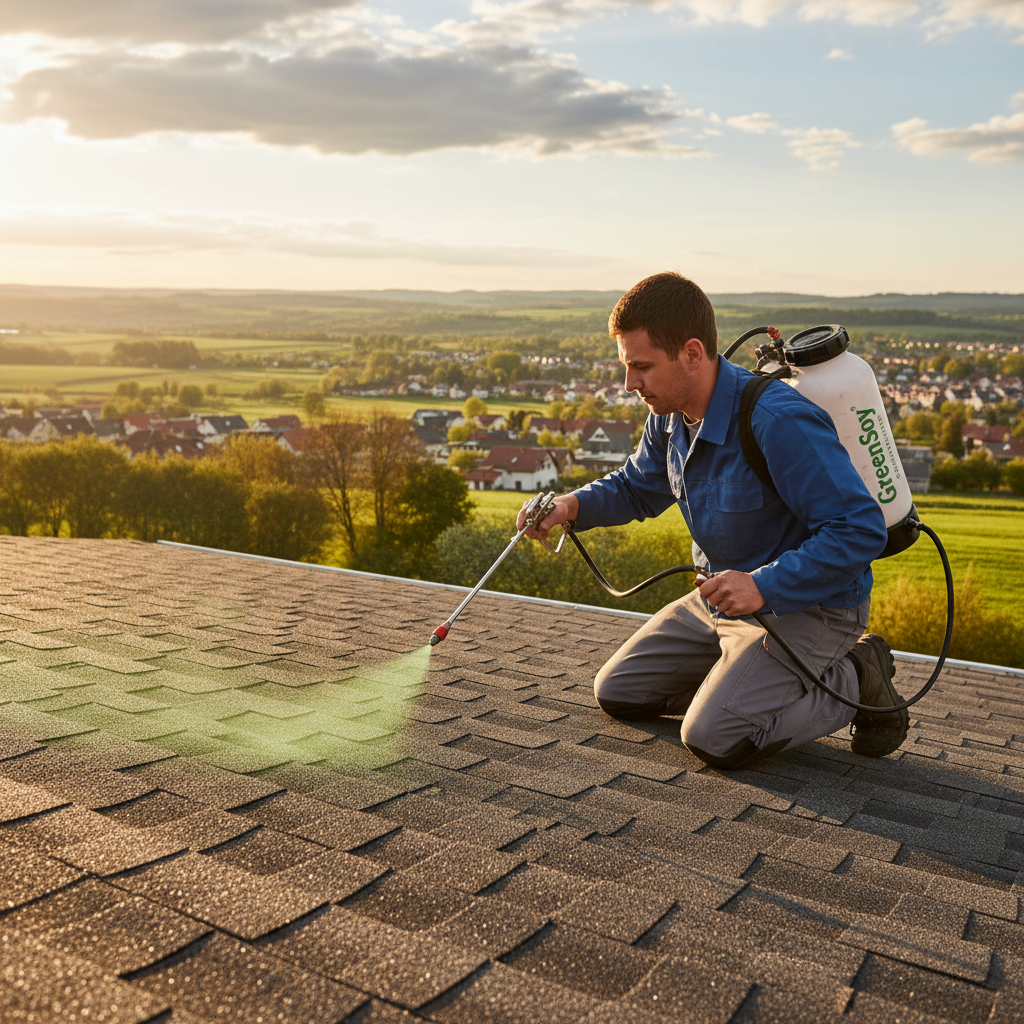
Is it safe for your family and pets during and after installation? Yes, in most cases, if you avoid the work area while it’s being applied. It’s generally safest once the product is dry and cured.
What “installation” means matters, though, because roof rejuvenation and roof soft-washing aren’t the same process or chemical profile. In this guide, you’ll learn how to confirm which one you’re getting. Give me the straight scoop, and use it like an inspection flashlight for your yard, kids, and pets.
Rejuvenation vs Soft-Wash: Two Different Safety Stories

A homeowner hires a “roof treatment” to keep their shingles healthy and ends up with a bleach-based clean instead, then wonders why the landscaping smells like a pool. That one misunderstanding changes the safety checklist from start to finish.
A lot of “roof rejuvenation safety” advice online describes roof soft-washing (cleaning), not roof rejuvenation (restoring flexibility), and that’s misleading. Angi reviews can help you spot which service they actually sell. That mix-up matters because soft-wash commonly relies on diluted sodium hypochlorite solutions, so the main risks people warn about are bleach-like overspray and plant damage.
Bleach-based soft-wash crews should have a plan to protect plants and nearby surfaces from overspray and runoff. Read more in our article: Roof Cleaning Chemical Safety
Rejuvenation products are typically oil or ester-based sprays designed to absorb into asphalt shingles quickly, so your day-of plan focuses more on avoiding direct contact during application and managing any overspray or runoff, not on evacuating your house for lingering indoor air concerns. If you want a simple reality check, ask the contractor: “Are you cleaning with a hypochlorite soft-wash, or applying a shingle rejuvenator?” If they can’t answer plainly, you’re not ready to decide what “safe” means for your yard, kids, or pets.
The Only High-Exposure Window: During Spraying and While Wet
“Safe” isn’t a 24/7 label. It’s a timeline with no funny business. With shingle rejuvenation, exposure concerns peak only during active spraying and until the coating has dried on the roof and any fine mist on nearby surfaces has settled. That’s when you treat the area like a freshly sealed driveway: keep kids and pets inside or well away from the home’s dripline. Don’t let anyone touch, sit on, or walk through anything that looks damp.
Once it’s visibly dry and absorbed, the risk drops quickly. Many products absorb, but you should still use the contractor’s stated cure time (often up to about 24 hours) as your conservative “everyone back to normal outside” checkpoint (for example, one provider describes ~24 hours).
Most of the real risk comes from preventing contact with wet product and any fine mist that settles on patios, toys, or grass near the dripline. Read more in our article: Roof Spraying Safety
| Time/window | Relative exposure risk | Kid/pet guidance |
|---|---|---|
| During spraying | Highest | Keep kids/pets indoors or well away from the home’s dripline; avoid gates/ladders/work zone. |
| While surfaces are still wet (roof/overspray areas) | High | Treat like wet paint: no touching, sitting, or walking through damp areas; leash-only bathroom breaks to untreated areas. |
| Visibly dry/absorbed | Lower | Resume limited outdoor use away from any suspected overspray; keep pets from licking/touching questionable spots. |
| Full cure window (often up to ~24 hours, per contractor) | Lowest (conservative) | Normal outdoor use for the household; follow any product/contractor-specific restrictions. |
Your Day-of Plan for Kids and Pets

Plan for containment, not willpower, if you’re wondering can kids be home during roof treatment. On spray day, keep kids and pets away from the work zone entirely and don’t allow play or lounging near the dripline until everything is dry. For bathroom breaks, keep dogs leashed and steer them to untreated ground, then clean paws before they re-enter the house.
Most problems happen when someone “just runs out for a minute” while the roof is being sprayed or workers are moving ladders, and that is asking for trouble. Check Nextdoor for how often a crew leaves gates unlatched. Before the crew starts, close and latch gates, pick one exterior door for in-and-out, and keep cats in a closed room.
What to do about odor, overspray, and outdoor stuff
You open the back door to let the dog out, and the patio table and water bowl are speckled with a faint mist you did not notice during the spray. The difference between a non-issue and a frustrating cleanup is whether you controlled the perimeter before the first pass.
Roof rejuvenation can smell during application, but that alone doesn’t justify clearing the house. A better move is basic control. Coordinate with the crew by closing windows on the work side, keeping HVAC as usual, and scheduling time out of the house if someone is odor-sensitive.
For anything outdoors, think “what could get a fine mist on it near the dripline,” because wind carries overspray like dandelion fluff. Bring in or cover pet bowls and kids’ toys that sit close to the roof edge. If you notice overspray on concrete or furniture, wipe it off while it’s fresh with mild soap and water. And if your contractor also did an algae clean, don’t be surprised if the first few rains keep washing dead residue off the roof for a couple weeks, which is more about runoff and mess than ongoing exposure.
A good cleanup plan includes moving or covering pet bowls, toys, and outdoor furniture before spraying starts and wiping any fresh overspray promptly. Read more in our article: Roof Treatment Mess
Safety Questions to Ask Before You Book Roof Rejuvenation
Many providers describe a conservative “all-clear” around 24 hours, and at least one leading brand claims the spray is entirely absorbed within 30 minutes. If a contractor cannot give you specifics that fit those timelines, you are guessing with your household routine.
Before you sign, ask questions that force specifics instead of reassurance, because vague promises don’t help you plan. Consumer Reports exists for a reason. A reputable contractor won’t dodge them, because they should already have the product documentation and a basic plan for protecting your yard and neighbors.
Ask
-
Are you doing any soft-wash or bleach-based cleaning (sodium hypochlorite), or only applying a shingle rejuvenator? If they’re vague, you can’t plan kid/pet access or plant protection.
-
What’s the exact product name, and can you email me the SDS (roof coating SDS request)? “Safe” can still mean eye/skin irritation if you touch wet overspray.
-
How will you control overspray and runoff, especially around downspouts, gardens, and drains? You want a clear answer, not “it’ll be fine.”
-
What’s your conservative re-entry guidance for pets and kids outdoors: when it’s dry, or a full cure window (often up to ~24 hours)? Get the rule you’ll actually follow on your property.
Before spending on any fix, HardShore’s free roof inspection in Wilmington tells you whether you need one at all.