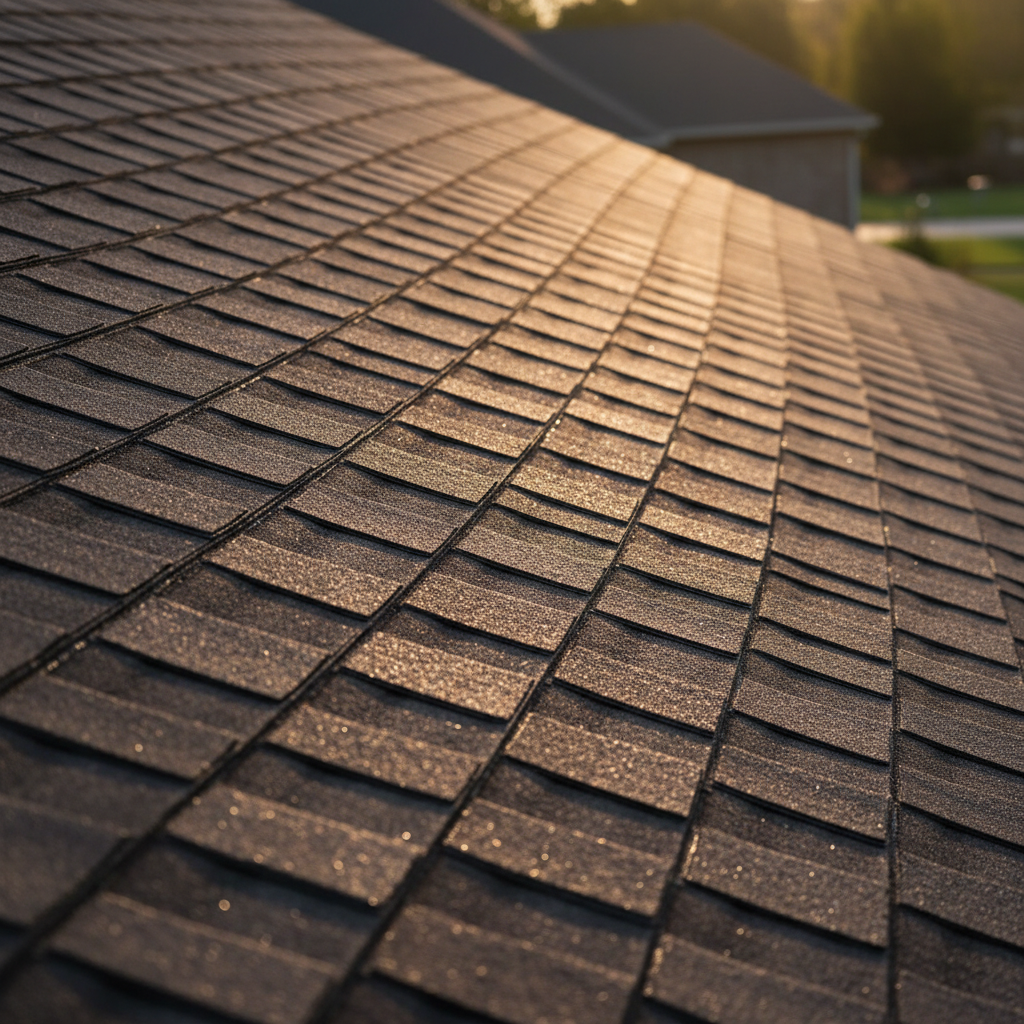
You’re not really looking for a “#1 shingle.” You’re trying to make a defensible decision before you spend five figures and sign a contract.
The frustrating part is that most “best rated roof shingles” lists don’t help you compare the details that decide how your roof holds up on your house. They kick the can down the road while a Wilmington blow tests your roof like a sandblaster: how wind claims work (test class vs mph warranty) and what algae coverage really does in a humid coastal neighborhood. This guide shows you how to read the ratings the right way, ask for the details that matter, and narrow down a short list of reputable shingle lines based on your real risks, not a generic scoreboard.
Best Rated Roof Shingles: What Ratings Miss
If you’re searching for the “best rated” roof shingles, you’re probably expecting clean roof shingles ratings and a brand ranking. The problem is that most online ratings read like a scorecard for spec sheets. That approach is backwards for roofs, not what still protects you after a coastal North Carolina install, a few hurricane seasons, and a warranty claim.
In real life, the specs that matter are the ones tied to how roofs fail and how yours will be installed, like wind test class (for example, ASTM D7158 Class H) and algae protection terms (many popular lines advertise 25-year coverage). Case in point: a “160 mph wind warranty” can depend on upgraded components and how it’s installed, and mixing brands for shingles and ridge caps can weaken or void system-level warranty coverage.
When you compare quotes, have each roofer list the wind standard/class, the algae term, and whether every accessory stays inside one eligible manufacturer system so the warranty you’re paying for is usable.
| Item to confirm (in writing) | What it is | Why it matters in Wilmington |
|---|---|---|
| Wind standard/class | ASTM wind test classification (e.g., ASTM D7158 Class H) | Helps compare wind performance in testing; not the same as an installed-roof promise |
| Wind warranty mph (base vs upgraded) | Manufacturer wind-warranty tier being claimed (e.g., 110/130/160 mph) | Can hinge on required components and install steps; avoids paying for a tier you didn’t actually buy |
| System eligibility (no mix-and-match) | Shingles plus matching accessories from the same eligible manufacturer “system” | Mixing ridge caps/underlayment/starter can weaken or void system-level wind/algae coverage |
| Algae term + what it covers | Algae/staining warranty term and conditions | Sets expectations in humid, tree-lined areas; clarifies what “coverage” actually applies to discoloration |
Your Wilmington Decision Lens

In coastal North Carolina, “best rated” usually means “best at your most likely failure” for the best roof shingles for Wilmington NC. Around Wilmington, that’s rarely hail first. It’s wind uplift at edges and ridges and algae streaking that makes a roof look shot long before it leaks. If you pick a shingle because it wins a generic list, you can end up overpaying for the wrong strength and still lose on the stuff that actually drives replacement here.
Start with wind. Do it right the first time, and think of ridges and eaves like the lip of a soda can: that’s where uplift starts, so separate test language from warranty language. Seeing something like ASTM D7158 Class H tells you the shingle met a high wind performance classification in testing; a “130 mph” or “160 mph” wind warranty is a promise that can hinge on the full system and the installer following the manufacturer’s requirements. For instance, one bid might advertise a high wind number, but swap in off-brand ridge caps or skip the upgrade components that trigger that warranty tier.
Then treat algae terms as a planning input, not a finish line. Many mainstream architectural lines advertise long algae protection terms (often 25 years), but your roof can still collect black streaking in a humid, tree-lined neighborhood if you don’t maintain it. If appearance matters, budget for professional soft washing on a cadence (often every 2–3 years) and ask what the algae warranty actually covers: staining only, or any performance impact.
Finally, read the warranty like it’s something you might need to use. Your practical move: require each roofer to specify the exact shingle line and the matching accessory system they’ll install, and to confirm in writing they won’t mix brands in a way that jeopardizes system coverage. If they resist that level of detail, the shingle rating won’t save you later.
Salt air and frequent coastal gusts can show up first as lifted tabs, edge damage, and fastener issues on asphalt shingles. Read more in our article: [Signs Salt Air Wind Damage Shingles]
Decode Wind Claims Before You Buy
You think you bought “160 mph protection,” then the first real blow peels shingles at the ridge and the paperwork turns into a scavenger hunt for what was actually installed. That difference between test language and warranty language is where expensive surprises happen.
A lot of “best rated shingle” talk is lazy, Angi-style shorthand. You’re usually looking at two different things: an ASTM wind class from a test, and a wind warranty stated in mph for the best roof shingles for high winds. They can both sound authoritative while telling you little about how your roof will behave in a Wilmington gust that targets ridges, hips, and eaves.
ASTM language (like ASTM D7158 Class H) points to a test classification for the shingle’s wind performance. That’s useful for comparing products, but it isn’t a promise that your installed roof won’t lose shingles if your edge details or nailing aren’t right. A warranty mph number, on the other hand, is a manufacturer commitment that can depend on installing a specific “system” and meeting requirements, not just buying the field shingles. For instance, one line may advertise an engineered 130-mph wind warranty, while another advertises a 110-mph base warranty with an upgrade path to 160 mph.
To make wind claims meaningful, require your roofer to translate the marketing into specific scope and documentation. Ask for these items in writing on the estimate: the ASTM wind classification and the exact wind-warranty mph being claimed (base vs upgraded). If a contractor treats the mph number as automatic, you’re not comparing “best rated” anymore, you’re comparing who’s being precise versus who’s selling you a label.
Algae Resistance: Warranty vs Reality
Algae warranties are good enough for now for appearances. They don’t keep your roof from getting dirty, like putting a raincoat on a muddy dog. In humid, tree-lined Wilmington neighborhoods, black streaks (often algae like Gloeocapsa magma) can still show up on “25-year algae protection” shingles, because the warranty typically speaks to discoloration standards and can hinge on the exact shingle and accessory system you install.
What you can do differently: treat algae resistance—and the best shingles to prevent algae—as a maintenance plan. Budget for professional soft washing on a cadence (often every 2–3 years) and ask your roofer to confirm, in writing, which shingle line and matching ridge/hip components keep the algae coverage valid.
Black streaking is often an algae issue, not an immediate sign that the roof has failed, and it can usually be managed with the right cleaning approach. Read more in our article: [Black Streaks Roof Shingles]
The Hidden System Requirements

A homeowner in Wilmington picks the same “top-rated” shingle their neighbor used, but their bid swaps in off-brand ridge caps and a bargain underlayment. The roof looks identical on day one, and the warranty doesn’t act identical when it matters.
A “best rated” shingle can turn into an average roof fast. If a contractor’s BBB profile looks spotless but the scope gets value-engineered, the rating is just wallpaper. For example, a bid might name a top architectural shingle, then change the ridge caps and starter strip to whatever’s cheapest or whatever the crew has on the truck. That’s where the fine print lives: many wind and algae coverage tiers only apply when you install the manufacturer’s matching components and follow their requirements.
To control the risk, require the estimate to itemize the full system by manufacturer and product line and confirm it’ll be installed as one eligible system.
Shortlist: Best Rated Shingle Lines
CertainTeed Landmark spells out a base 110 mph wind-resistance warranty with an available upgrade up to 160 mph, while other lines lean on different wind tiers and algae terms. If you do not separate base from upgraded system promises, brand shortlists turn into apples-to-oranges fast.
You don’t need a universal “#1 shingle” to make a smart call—a basic shingle warranty comparison will usually get you further. You need a short list of reputable architectural lines that (a) show up consistently in real bids, (b) publish clear wind and algae terms, and (c) can be installed as a qualifying system without the roofer freelancing parts. If you keep hunting for one winner, you’ll miss the more important risk: buying a great label paired with a so-so scope.
If your top priority is high-wind clarity, look at lines that clearly state high wind test classifications and pair them with a defined wind warranty tier. As an example, Owens Corning Duration is often positioned around its SureNail nailing-zone feature plus an engineered wind warranty, while still calling out ASTM D7158 Class H in technical materials. That combination can be useful in Wilmington, but only if your estimate spells out the full wind warranty level being claimed and the matching components required to get it.
If algae appearance drives your decision (black streaks, curb appeal, HOA pressure), choose a line that’s explicit about algae protection term and read it as “how long the manufacturer will argue about staining,” not “how long you can ignore maintenance.” For instance, GAF Timberline HDZ lists a 25-year StainGuard Plus algae protection limited warranty, and CertainTeed Landmark lists a 25-year algae-resistance warranty as well. To avoid losing coverage, require the quote to specify the exact shingle line and the qualifying ridge/hip components.
If value matters most, CertainTeed Landmark is a common baseline because it publishes a base wind-resistance warranty (15 years/110 mph) with an upgrade path (up to 160 mph) when installed to the higher tier. That’s exactly why “best rated” can mislead you: the same shingle can be a basic package or a higher-wind system depending on what’s in the scope.
If eco impact is part of your decision, Malarkey’s architectural lines often lean into upcycled content claims (like diverting rubber tires and plastic bags per roof). That’s worth considering if you want a sustainability story you can defend, but it doesn’t replace the system discipline you need for wind and warranty eligibility.
Replace Now or Extend Roof Life?
You want the calm of knowing you aren’t throwing away a roof that still has useful life—or gambling on a patch that fails in the next storm. The right call comes down to whether you are managing appearance and minor defects, or stopping active damage.
If you’ve got active leaks, widespread shingle loss after wind, or shingles that are cracking/curling across entire slopes, you may have to bite the bullet. This is triage, not shopping for bang for your buck. In that scenario, replacement is the safer call, because patching buys days while moisture buys rot.
If the roof is mostly intact and your main issue is black streaks or uneven color, you can often buy time with targeted repairs plus professional soft washing on a 2–3 year cadence. Don’t let ugly automatically equal failed; verify performance first.
A professional inspection can document wind and moisture trouble spots early, which helps you decide between repair, restoration, and full replacement with less guesswork. Read more in our article: [Roof Inspection Wilmington Nc]
FAQ — Best Rated Roof Shingles (When to Replace Roof Shingles)
Does “Lifetime” or “50-Year” Mean Your Shingles Will Last 50 Years in Wilmington?
Not in any literal way. In a humid, salty, high-UV coastal environment, “lifetime/50-year” is usually a warranty label and coverage framework, not a prediction of service life on your house.
Why Are Two Roof Quotes Thousands Apart If They’re Both Using “Top-Rated” Shingles?
The spread usually comes from scope and system details, not a magical jump in shingle quality. Case in point: one bid might include full peel-and-stick at eaves/valleys and all new flashing and boots, while the cheaper bid quietly trims those items.
If I Have Black Streaks, Do I Automatically Need a Full Roof Replacement?
No, and treating “ugly” as “failed” costs people money. If the roof is otherwise intact, professional soft washing on a 2–3 year cadence plus a few targeted repairs often buys meaningful time.
What Should I Ask to Confirm a Wind Warranty Claim (130 mph, 160 mph, etc.) Is Real?
Ask the roofer to list whether they’re quoting the base wind warranty or an upgraded tier, and to specify the exact accessory lines (starter and ridge/hip) required to qualify. If they can’t tell you what triggers the mph number, you’re buying marketing, not coverage.
Can Mixing Brands (Shingles, Ridge Caps, Underlayment) Really Mess Up the Warranty?
Yes, it can, because many manufacturers treat wind and algae coverage as a system benefit, not a single-product promise. If your bid swaps in off-brand ridge caps or underlayment to save money, you can lose the very “best rated” warranty language that convinced you to choose that shingle.
Roof not getting any younger? Contact us or call 703-673-6301 to find out where you stand.If this article describes your roof, our free roof inspection in Wilmington is the free way to know for sure.