Extending the life of an existing roof usually means buying a few more reliable years before replacement. That runway is often possible when an asphalt shingle roof is still basically sound and you target the right fixes.
The catch is that age alone won’t tell you what’s worth doing, especially in coastal North Carolina where wind-driven rain and salt air hit weak points like sandpaper on metal flashing. In this guide, you’ll learn how to tell whether your roof is “extendable,” which repairs buy the most years (and prevent hidden decking damage), and how to compare options using a simple cost-per-year reality check.
The Three Levers That Extend Roof Life

You stop guessing and start spending where it buys time: fewer surprise leaks and fewer repeat repairs.
-
Keep water from getting under the shingles
-
Keep shingles from aging faster than they should
-
Keep small failures from becoming decking damage
Roof age alone doesn’t decide what’s possible. Condition does, so you’re not just trying to kick the can down the road. If you focus your time and money on flashing and penetrations (water entry) and ventilation (aging rate), you’ll make better calls about whether roof maintenance or a rejuvenation treatment can buy you years.
Quick Triage: Is Your Roof Extendable?
Start with a quick truth test: is the roof a sound system with fixable weak points, or is it failing in a way that keeps damaging the decking underneath? People fixate on “it’s 18 years old” or “it still looks okay from the yard,” but neither one tells you whether spending money now buys real runway.
A roof is usually extendable when problems are localized and the shingles still behave like shingles. For instance, a wind event popped a handful of tabs near a ridge, or a plumbing boot is cracked, but the field shingles still lie flat and feel flexible rather than brittle. It’s usually not extendable when you’re seeing widespread surface loss or ongoing moisture damage because then you aren’t maintaining, you’re trying to reverse aging.
| Signal category | What you might see | What it usually means |
|---|---|---|
| Likely extendable (rule in) | Leaks tied to a specific detail (chimney flashing, wall step flashing, a vent pipe boot); only a few shingles damaged; modest granule loss; firm deck (no spongy areas) | Localized weaknesses you can usually repair to buy reliable runway |
| Likely not worth “life extension” money (rule out) | Recurring leaks in multiple areas; soft decking; widespread curling/cupping; lots of bare asphalt from granule loss; shingles crack when lifted | System-level failure or ongoing moisture damage; replacement planning is usually the better use of money |
| “Maybe, but verify” signs | Algae staining (often cosmetic); a few popped nails; a small number of lifted tabs (often after storms) | Could be minor or a symptom; verify entry paths and decking condition before spending on treatments |
A simple action that changes your next step: ask a roofer to document where water is entering and whether any decking is compromised. If they can’t point to specific entry paths and instead default to age alone, you’re not getting a real diagnosis.
In coastal areas, a basic inspection that documents leak entry points and any soft decking can prevent you from paying for fixes that don’t address the real failure path. Read more in our article: Roof Inspection Wilmington Nc
Coastal North Carolina Stressors That Change The Math
-
Salt air: faster corrosion at exposed fasteners and metal flashing edges
-
Wind-driven rain: weak points around vents and chimneys fail before the shingle field looks worn
-
Hurricane-season uplift: higher risk of storm-related detail failures
-
Summer heat: heat-accelerated aging that increases brittleness risk. Case in point: a roof that still looks fine from the yard can start leaking because a rusting pipe boot ring or lifted flashing lets water in during a sideways storm, and Consumer Reports-level “average roof advice” won’t save you if you treat coastal roofs like they are inland. You’ll extend life faster by prioritizing storm-resistant repairs (resecuring lifted tabs and replacing cracked boots) and keeping attic heat in check with proper ventilation—key steps in how to extend asphalt shingle roof life—instead of treating every roof the same way you would inland.
Hurricane-season uplift often shows up first as lifted tabs and loosened flashing even when the rest of the shingle field still looks “fine” from the ground. Read more in our article: Roof Problems After Hurricane
Repairs That Buy the Most Years First
Start with the details where a small defect turns into wood rot once water gets a foothold. Most homeowners spend their attention on the “field” shingles because that’s what you can see, but leaks on asphalt shingle roofs usually start at details like penetrations and transitions. In coastal North Carolina, that’s even more true because wind-driven rain and salt exposure punish the weak points first.
Your highest-ROI repairs are the ones that (1) stop water entry at known failure points and (2) prevent repeat damage in the next storm as part of coastal roof maintenance. – Pipe boot replacement for cracked plumbing vent boots
-
Reset or replace loose step flashing at sidewalls
-
Seal and re-fasten lifted shingle courses near ridges
-
Correct exposed or backed-out nails with the right fastener and sealant
A practical way to act on this: when you get an estimate, get a second set of eyes on it and ask the roofer to break out pricing for penetrations (boots and vents) and wall flashing tied to documented leak paths. If they go straight to “it’s old, you need a new roof” and skip those line items, that’s a replacement pitch, not a life-extension plan.
Hairline leaks can seem “small” until repeat wetting turns into rot in the decking and rafters, which is why detail-level repairs are so high-ROI. Read more in our article: Small Roof Repair Risks
Where Roof Rejuvenation Fits—and Where It Doesn’t

In coastal NC, rejuvenation is often quoted around $0.50–$1.20 per sq ft, while replacement commonly lands closer to $4–$12+ per sq ft installed, so getting the fit wrong is an expensive kind of “maybe” (see the Asphalt Roofing Manufacturers Association bulletin: Asphalt Shingle Roofs Are Repairable).
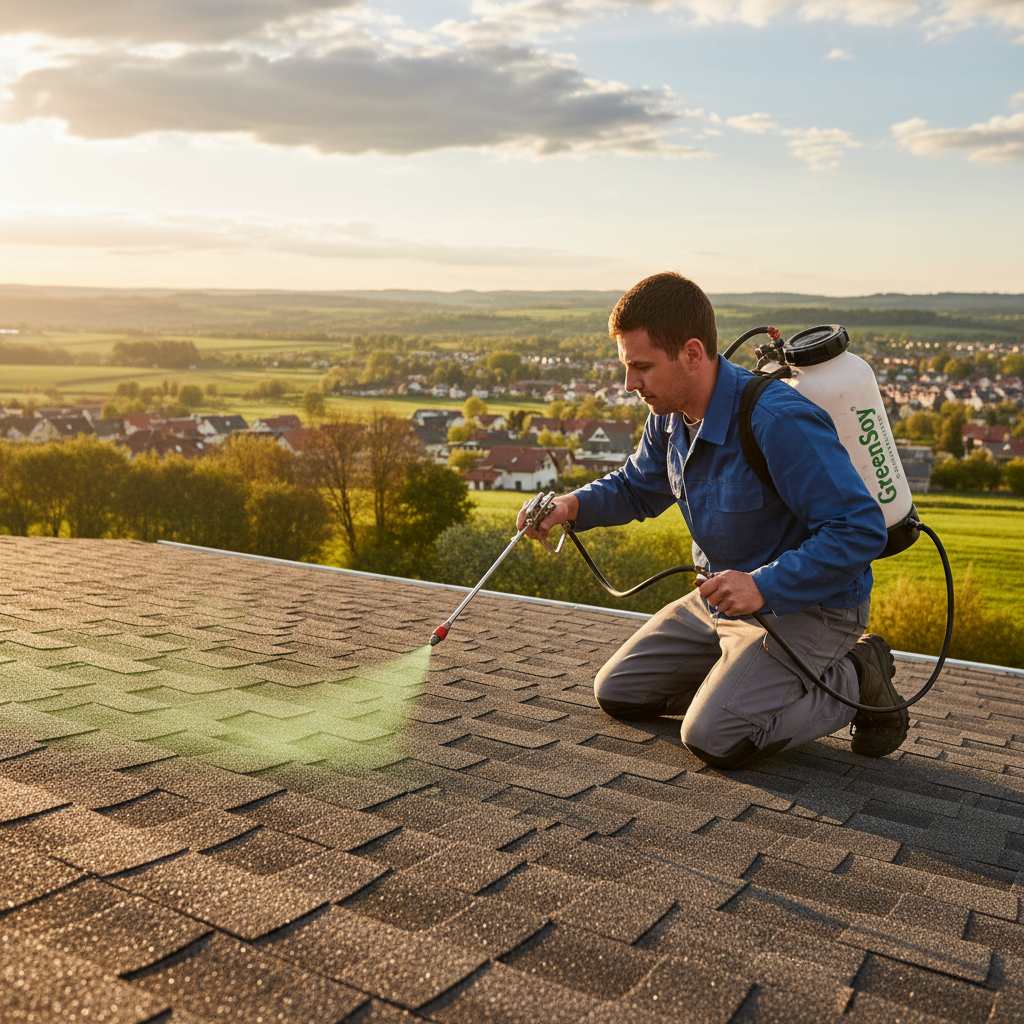
Roof rejuvenation fits when your asphalt shingles are in that mid-life zone: they still lie flat, you have modest granule loss, and your main problem is aging and brittleness, not active water getting under the system. To illustrate this, if your roof “looks tired” but leaks trace back to a boot or flashing detail you can repair, rejuvenation can make the shingle field more resilient and help you squeeze out additional years.
It doesn’t fit when you’re using it as a leak cure or a rescue for widespread failure, and any Angi-style listing that pitches it that way is setting you up to waste money. If shingles are cracking when lifted or curling badly, a spray treatment can’t undo that, and it can distract you from the repairs that prevent rot.
Roof Rejuvenation vs Replacement: The Decision Framework (Cost-Per-Year)
Put every option on the same scoreboard: cost per year of runway. Estimate your roof area in square feet, then run: (project cost) ÷ (credible years gained). If rejuvenation is roughly $0.50–$1.45/sq ft locally, a 2,000 sq ft roof pencils out to $1,000–$2,900 (a commonly cited per‑sq‑ft range is discussed here: AURI: Soy offers new life for aging roofs). If you believe it buys you 3 years, that’s $333–$967 per year.
Now sanity-check replacement: $4–$12+/sq ft installed is $8,000–$24,000+ on that same roof. Replacement can be the right call, but if you’re automatically treating “new roof” as the only rational choice, you’re skipping the one number that compares outcomes in roof restoration vs replacement. Don’t bite the bullet until the math earns it.
Hiring a pro without getting sold
One homeowner gets three bids that all sound confident, but only one comes with marked-up roof photos and a scoped list of leak paths and line items. Guess which quote stays stable when the work starts.
The fastest way to get oversold is to let a contractor stay vague. That is how they nickel-and-dime you. Confidence isn’t competence, so make them prove they understand your roof with specifics you can compare across bids, not just a BBB logo and a smooth pitch.
Ask these questions and require the answers in writing or photos: (1) Where is water getting in, exactly? Have them mark penetrations and flashing on roof photos and note any decking concerns as part of a flashing inspection; (2) What line items address those points (boots and step flashing) versus “whole-roof” talk; (3) What’s your ventilation finding (intake and exhaust) and what they’ll change, because poor ventilation can erase the value of repairs or rejuvenation; (4) What warranty do you provide and what voids it (existing leaks and excluded details). If they won’t document, won’t discuss ventilation, or jump straight to replacement without showing failure paths, you’re not comparing plans, you’re comparing pitches.
FAQ
Will Roof Rejuvenation Stop an Active Leak?
No. You should treat rejuvenation as a shingle-aging treatment, not a water-entry fix, so you still need to repair the actual leak path (boots and flashing) first.
Is Roof Rejuvenation a Gimmick?
It can be legitimate, but the results depend on your roof’s condition and the specific product formulation (a peer‑reviewed case study found performance varied significantly by formulation: case study on soybean oil–based emulsions on shingles). Skip vague “soy-based” claims as proof because performance varies, and what you’re paying for is chemistry and application quality, not a label.
What Roof Age Is the Best Candidate to Extend Life?
You’ll usually see the best upside in a mid-life window where shingles have started drying out but still lie flat and keep their granules reasonably well. If shingles crack when lifted or curl badly, you’re past the point where a spray treatment changes the outcome.
How Do You Vet a Rejuvenation Vendor’s Claims?
Ask what third-party testing their product relies on and what it was tested on: shingle age and exposure duration. If they can’t name the product or show documentation, you’re hearing marketing, not a plan.
Will Rejuvenation Make Future Repairs or Replacement Harder?
It shouldn’t block replacement later, but it can change how future repairs adhere or seal, so you want the contractor to state what they’ll do at flashings and penetrations and how they handle future spot repairs. If the pitch is “spray it and you’re done,” expect regrets the first time a coastal storm tests the details.
Roof not getting any younger? Contact us or call 703-673-6301 to find out where you stand.If your shingles are aging faster than your budget, our roof rejuvenation service in Wilmington restores them for about 70% less than replacement.