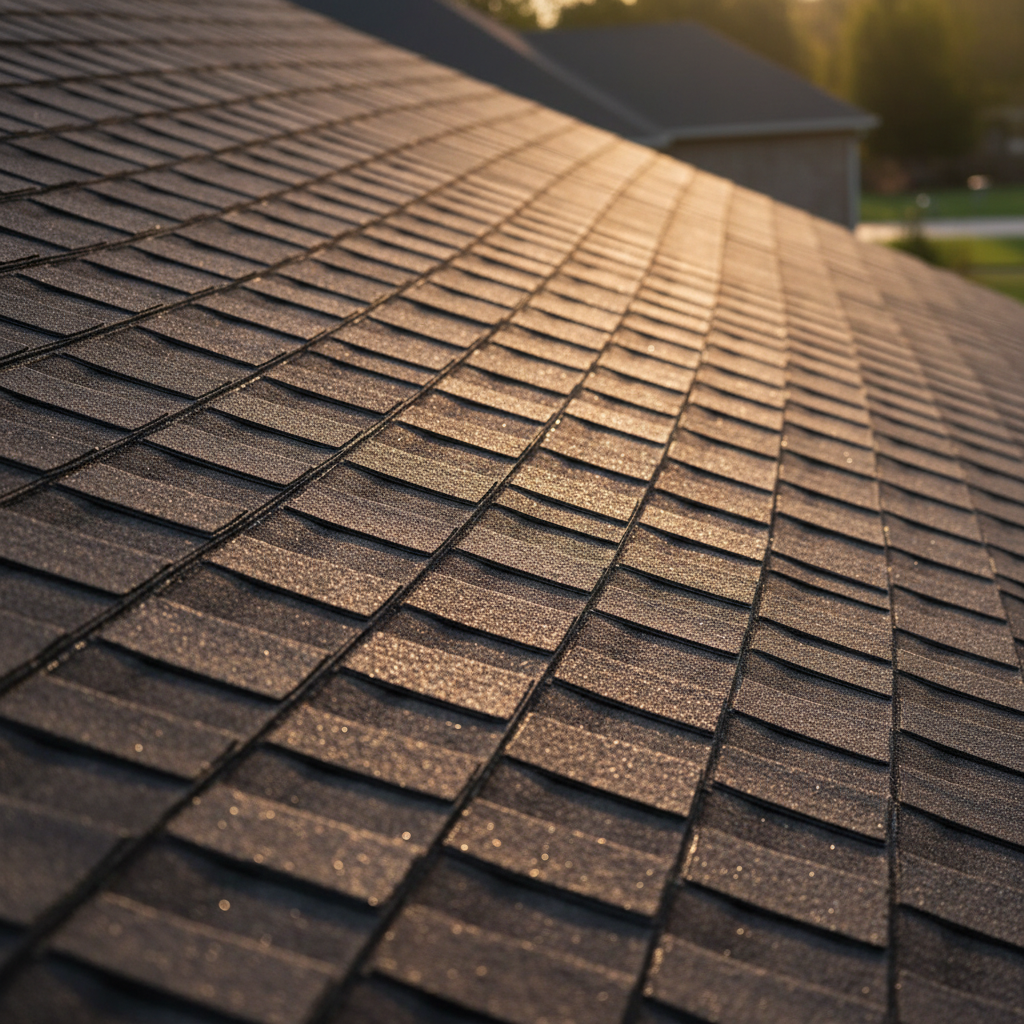
You clean the gutter, the next rain hits, and there’s that sand-like grit again at the downspout. If you’re considering a roof rejuvenation treatment, it’s fair to ask what changes: will it meaningfully cut shedding, or will the downspout keep collecting the same grit?
Here’s the practical takeaway: some granule loss is normal, and “zero granules” isn’t a realistic standard for asphalt shingles. What you really need to know is whether you’re seeing harmless loose granules that wash out over time, or the kind of loss that’s thinning the shingle surface and exposing asphalt. In Wilmington, wind-driven rain and salt air can make the shedding look worse than you expected. Is it a big deal or just normal wear and tear? The goal is to judge your roof by coverage and patterns, like reading the tide line instead of counting every grain in the sand.
| What you notice | Usually means | What to do next |
|---|---|---|
| Light, irregular sand-like grit after heavy rain or storms | Often normal washout (especially early life or after a flush) | Check roof surface for even coverage; keep monitoring over similar rains |
| Granules seem to “dump” after gutter-guard release or a big storm flush | Stored older material releasing later (can lag roof condition) | Don’t judge by one dump; re-baseline after cleaning one downspout area |
| Bare or shiny spots where darker asphalt shows through | Loss is changing the shingle surface (protective layer thinning) | Stop treating as “probably normal”; schedule an inspection |
| Sudden step-change in debris volume after ordinary rain (not a storm) | New, accelerated shedding (not just a one-time flush) | Treat as a red flag; schedule an inspection |
| After rejuvenation: fewer new granules over time, tapering after ordinary rains | Best-case outcome is reduced ongoing shedding, not zero granules | Track one downspout spot over weeks; watch for tapering vs continued heavy deposits |
Can granule loss ever be “stopped”?

Not really. Chasing “zero granules” is a waste of time. Asphalt shingles are manufactured with extra loose granules, and some of those “hitchhiker” granules wash off after installation or get rubbed loose by packaging and foot traffic (as noted in GAF’s technical bulletin on granule loss on new shingles). That’s why you can see granules in gutters after rain even when the roof is performing normally.
What matters isn’t whether you find granules, it’s whether granule loss is changing the shingle surface. It’s a performance issue once you can spot exposed asphalt showing through, usually as bare or shiny patches (a threshold echoed in IKO’s product bulletin on excess roofing granules). Focus on the trend over weeks: does runoff stay light, or does debris jump after routine rain?
If you’re evaluating a rejuvenation treatment, set the bar correctly. Think Consumer Reports, not marketing. The best-case claim is usually reduction in ongoing shedding (better retention), not elimination. Your next move is to inspect the roof planes for even coverage, not just measure what ends up in the gutter.
Downspout piles can be misleading because elbows, guards, and gutters often release older stored granules long after they came off the shingles. Read more in our article: Leftover Granules Gutters
What “normal” granule loss looks like

Treating every bit of gutter grit as an emergency can push you into the wrong fix and still leave you uneasy after the next rain.
“Normal” usually means you see the most granules early on (granule loss after installation) and then it tapers, with small sand-like grit showing up after heavy rain or strong wind. You might also see intermittent releases from gutter guards that have been holding older granules and then dump them in a sheet (granule loss after storm).
Don’t treat every speck as proof the roof is failing. Are we talking a quick fix or a can of worms? A quick baseline you can use is this: if the runoff debris stays light and irregular, and the shingles still look evenly coated from the ground with no obvious shiny or bare patches, you’re typically in the “how much shingle granule loss is normal” range. Think of granules like the roof’s sunscreen layer, not loose gravel you can eliminate.
The Two Red Flags That Change the Call
A homeowner cleans out the downspout, finds a small pile, and shrugs it off. Two weeks later, after a routine shower, there’s a sudden thick new dump and a couple of shiny patches on the slope that never used to catch the light.
Granules in the gutter aren’t the verdict. HGTV makes it look simple. It usually isn’t. It changes when the roof surface shows real protective-layer loss, or when debris spikes after routine rain with no one-time trigger.
The easiest way to get clarity is a documented inspection that checks shingle coverage patterns along with flashings, penetrations, and other common leak points. Read more in our article: Typical Roof Inspection
-
Bare or shiny spots on the shingle field where darker asphalt shows through
-
Step-change in debris volume after an ordinary rain (not a storm), such as a sudden heavy new pile or a thick sheet dumped off gutter guards
Wilmington factors that accelerate shedding

In Wilmington, you can see more granules for reasons that have nothing to do with roof failure. That context matters. Wind-driven rain acts like a pressure washer. Salt air and heat/UV can loosen granules faster than you’d expect inland (asphalt shingle granule loss causes).
The trap is using gutter grit as your scoreboard. I don’t want to throw good money after bad, and that scoreboard lies. Gutter guards and downspout elbows can store and then dump months of old material at once, especially after nor’easters or tropical rain bands. What you should do differently: judge your roof by surface coverage and whether shedding escalates after ordinary rains, not just after big weather.
If you’re weighing treatment versus replacement, the decision usually comes down to whether the shingle field still has even, matte granule coverage or is already showing exposed asphalt and thinning. Read more in our article: Roof Rejuvenation Vs Replacement
Will roof rejuvenation reduce granule loss enough?

Some lab-style adhesion testing on rejuvenation approaches reports granule-retention improvements around 25% to 50%, which can make a real difference (see the PRI-referenced granular-adhesion test summary). But it’s still a reduction story, not a zero-granules promise.
It can reduce ongoing shedding, but it doesn’t prevent granule loss. It won’t make granule loss disappear. These products aim to improve binder flexibility and granule adhesion, so the realistic win is fewer new granules over time, not downspouts that suddenly stay clean.
Consider it when you’ve got light-to-moderate shedding and the shingles still show even coverage with no shiny or bare areas. If you already see exposed asphalt, widespread thinning, or you’re getting heavy deposits after ordinary rains, you’re past “improve retention” territory. In my view, that is not a maybe. Treat it like an end-of-life or damage issue, not a maintenance tweak. If your Nextdoor feed is full of “just seal it” advice, ignore it.
FAQ
I keep finding granules in my gutters. Is that automatically bad?
No. Gutters and gutter guards can hold older granules and release them later, so what you see at the downspout often lags what’s happening on the shingle. And yes, check Angi reviews, but do not let reviews replace an actual roof-surface check. Treat it as a clue, then confirm by looking for uneven coverage or shiny, bare spots on the roof surface.
After a rejuvenation treatment, should granule loss stop?
You should expect fewer new granules washing out over time, not zero granules forever. If someone sells you “no more granules,” can you give it to me straight? That promise is a mirage, and it sets you up to judge the roof by an impossible standard.
What should I look for in the months after treatment?
Look for tapering: lighter, less frequent grit after ordinary rains, and shingles that keep an even, matte granule texture instead of developing shiny streaks or bald patches. If you still get heavy deposits after routine weather, treat that as a sign you’re beyond what maintenance can fix.
What’s the simplest way to track whether it’s getting worse?
Pick one downspout, clean it out, and photo the same spot after similar rains for a few weeks. What’s the bottom line on cost? It is that this simple check is cheap and it keeps you from guessing. You’re watching for a step-change in volume and frequency, not trying to count grains.
When is replacement basically unavoidable?
You stop second-guessing every rainstorm when you base the decision on what you can see on the roof surface instead of what the gutter happens to collect.
When you can see exposed asphalt or widespread thinning on the shingle field, the protective layer is already compromised. Also plan on replacement if you’re seeing heavy shedding after ordinary rains alongside cracking or curling, signs of excessive granule loss, because retention treatments can’t rebuild missing material.
Roof not getting any younger? Contact us or call 703-673-6301 to find out where you stand.