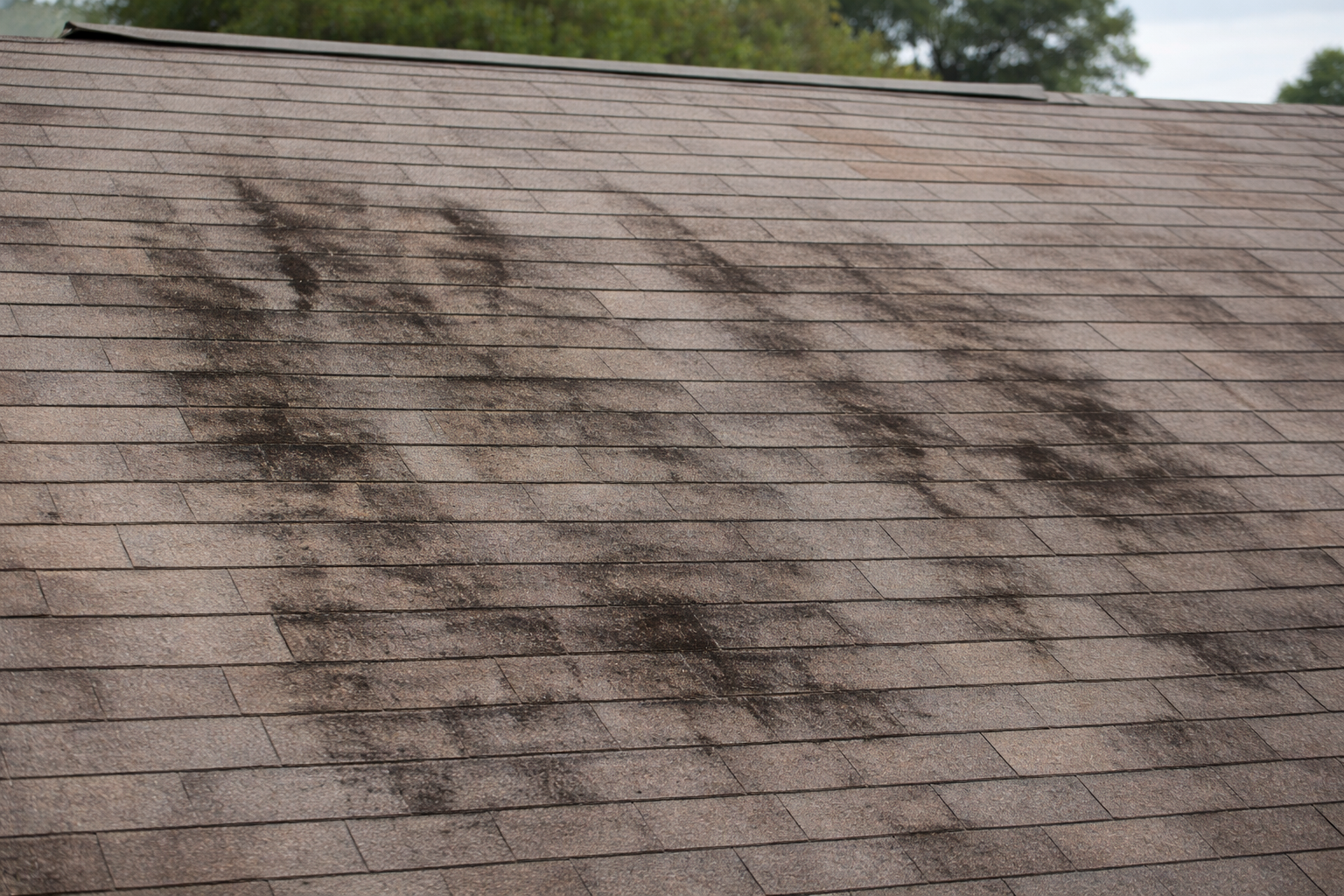
When you’ve got a ceiling stain or a drip after a coastal downpour, you’re not looking for a science project, you’re looking for a stop-the-water answer. Roof Maxx can sound like that answer because it’s sprayed on and marketed around “restoring” shingles, but a spray treatment usually won’t fix the kinds of entry points that cause most small leaks.
What you need first is a clear read on where the water’s getting in and what kind of problem you’re dealing with: a failed flashing detail or brittle shingles that are nearing the end. Once you separate “leak repair” from “shingle life extension,” it gets much easier to choose the money-smart next step for a Wilmington-area roof without paying for something that can’t solve the problem you called about.
Why Roof Maxx Usually Won’t Stop Leaks

You spray the roof, the stain dries up for a week, and then the next hard rain puts water right back in the same place. When the actual entry point goes unaddressed, a maintenance treatment just becomes an expensive round of trial and error.
Roof Maxx is designed to improve aging asphalt shingle flexibility, not to “seal” a roof watertight, so whether Roof Maxx stops leaks is usually the wrong question to start with (as noted in dealer FAQs like ). Even Roof Maxx positioning and warranties focus on shingle flexibility over time. That is a different promise than stopping water intrusion, and BBB-style trust signals do not change that.
Most “small leaks” don’t come from the middle of the shingle field anyway. They typically start at flashings and penetrations (pipe boots, chimneys, skylights, wall lines), or from a specific mechanical defect like a lifted shingle or exposed fastener. If you’re hoping a Roof Maxx roof treatment will fix that, you’re solving the wrong problem first. Get eyes on it and fix the entry point, because a spray is like oiling a plank on a leaky boat.
Where “small leaks” usually start
Most “small leaks” start at the interfaces, not out in the open shingle field. In coastal North Carolina, wind-driven rain roof leaks find the weak spot first. It is like a bad seam on a sail that only fails under load.
Start your suspicion list at penetrations and transitions, like cracked pipe boots around plumbing vents or loose flashing at chimneys and wall lines.
A basic leak check should focus on the most common entry points, vents, chimneys, and flashing transitions, before you spend money on any treatment. Read more in our article: Roof Leaks Chimneys Vents If you’re staring at a damp ceiling spot and thinking “my shingles are old,” you might miss a $50–$300 fix at the actual entry point.
The Sequence That Avoids Wasting Money

A homeowner pays for a rejuvenation, feels relieved, and then discovers the decking has been getting wetter the whole time because the flashing was never repaired. The order of operations is what decides whether you bought time or just bought delay.
If you have an active leak, treat it like a roof leak diagnosis problem, not a product problem. Roof Maxx for active leaks isn’t meant to seal entry points. Any seller worth finding on Angi will tell you repairs come first, period.
To save money, repair the confirmed entry point first, then evaluate whether rejuvenation is worth it.
A focused inspection is often the fastest way to confirm whether the problem is a repairable detail or a bigger system issue. Read more in our article: Typical Roof Inspection Flip that sequence and you may still be soaking decking and insulation after paying for the treatment.
When Roof Maxx can help indirectly
Roof Maxx can help only in the narrow slice where shingles are brittle and driving near-term risk. Kick the tires first, because it is more like softening dry leather than plugging a hole. For instance, if tabs are stiff and starting to crack at the corners or shingles are so dry they tear during normal wind lift, improving flexibility may make the shingle field less likely to split and shed more granules quickly.
The mindset shift matters: you don’t use it to “stop” a leak, you use it to reduce the odds that aging shingles become the next problem after you’ve already fixed the real entry point. What you can do differently: ask for a quick call on whether the leak came from a penetration/flashing repair and whether the remaining concern is general shingle brittleness.
If shingles are already dry and cracking, a flexibility-focused treatment is about slowing wear, not sealing active leak paths. Read more in our article: Shingle Brittle Cracking Treatment
What the Roof Maxx warranty actually promises

The headline number is a 5-year, prorated warranty over 60 months, and the keyword is flexibility or leaks. If you do not separate those two ideas, the paperwork can sound more reassuring than it really is for a water problem.
Roof Maxx’s leak-related warranty is framed as a 5-year, prorated “Flexibility Warranty.” So the commitment is about shingle pliability over time, not a guarantee that the roof won’t leak.
If you’re paying to solve a water-in-the-house problem, don’t treat “warranty” as shorthand for “it’ll stop leaks.” Before you book anything, ask the dealer to show you, in writing, what triggers a warranty claim. If it reads like a GAF-style flexibility promise, it probably will not cover leak diagnosis or repairs.
Repair vs Rejuvenation vs Replacement in Coastal NC
You can walk away from the inspection with a solid plan instead of three competing opinions and a knot in your stomach. The trick is choosing the path that matches what is failing, not what sounds simplest to buy.
In Wilmington-area storms, the decision isn’t really “leak or no leak.” It’s whether your roof is currently weathertight as a system (flashings and boots) and whether your shingles still have usable life. Wind-driven rain punishes the small geometry mistakes first. Do not patch it and move on in your head, and do not treat a spray as a substitute for finding the entry point.
Use one simple filter: What are you trying to restore, and what’s actually failing? If you can point to a specific failed detail, repair targets the failure. If the roof is weathertight but the shingle field is aging out (brittle, cracking risk), rejuvenation targets condition. If the roof is failing in multiple places or the structure underneath is compromised, replacement resets the system.
| Path | When it fits | Typical trigger on inspection | What to ask for |
|---|---|---|---|
| Repair | Leak maps to one or two details | Pipe boot split; chimney/wall flashing issue; a couple lifted tabs; exposed fasteners | Photos of the exact entry point; a written scope naming the component being corrected |
| Rejuvenation | Roof is dry after repair or has no active leaks, but shingles show aging risk and you’re trying to buy time | Brittleness; minor cracking tendency; accelerated granule loss | Written confirmation the roof is currently weathertight before treatment |
| Replacement | Problems stack up and the system/structure is compromised | Recurring leaks in different areas; widespread shingle failure; soft decking; repairs start to look like whack-a-mole after coastal blow-by rains | A replacement scope that addresses system details (flashings, boots, transitions) and any underlying damage |
The cheapest next step is knowledge: our free Wilmington roof inspection documents what’s actually there.