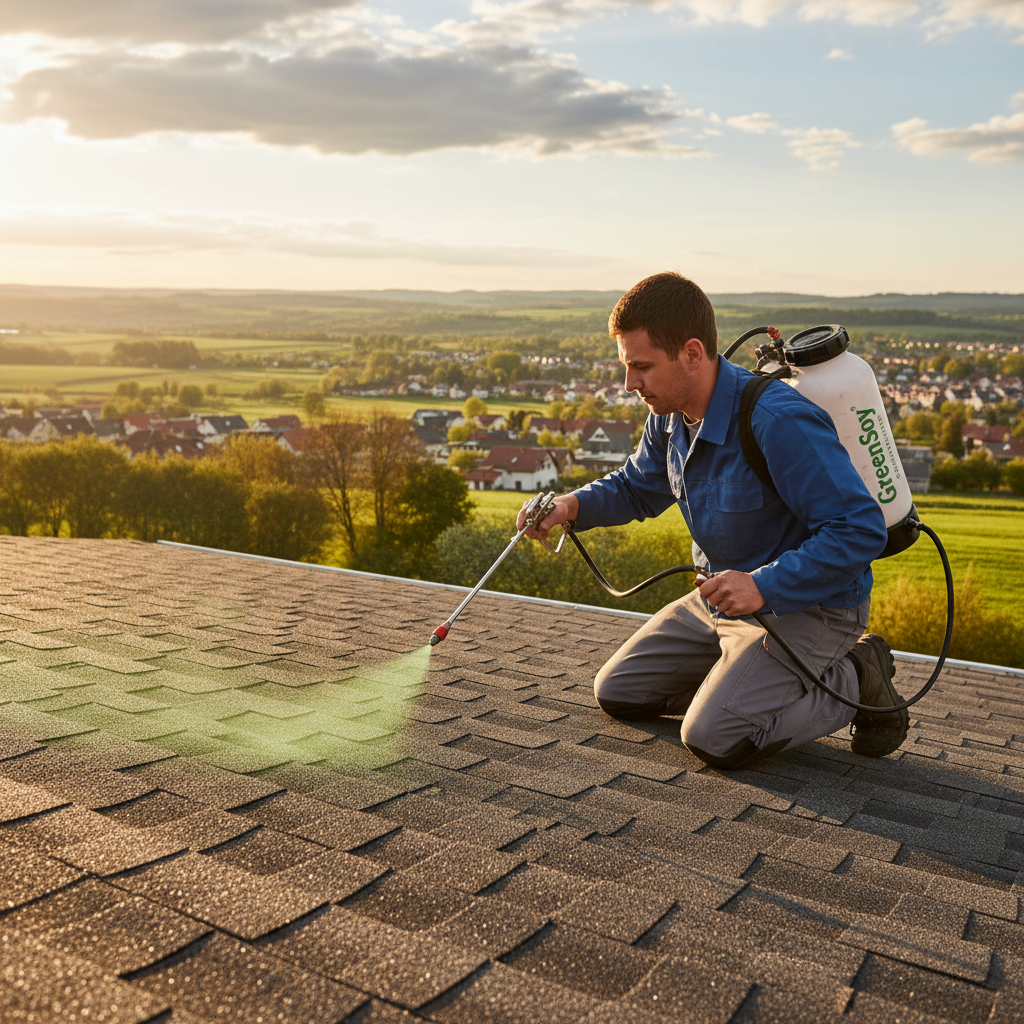
Will roof rejuvenation fix missing shingles or active leaks? No, it won’t. Plan on a conventional repair that restores the missing material and stops water entry.
If you’re trying to delay replacement on an aging asphalt roof, rejuvenation can still have a place, but only after you’ve made the roof system whole again. A spray treatment may help intact shingles stay flexible longer, but it won’t rebuild lost overlaps or fix leak pathways at flashing and transitions. In coastal Wilmington conditions, that distinction matters because wind-driven rain will exploit weak details, so you’ll get better results by fixing the source first and then deciding whether a life-extension treatment makes sense for what’s left.
Roof Rejuvenation vs Roof Repair
On asphalt shingles, rejuvenation can extend flexibility where material is intact, but it won’t replace missing roofing.
| Situation | Will rejuvenation fix it? | Why not | What to do first |
|---|---|---|---|
| Missing shingles/tabs | No | Can’t rebuild shingle overlap or fastening | Replace missing shingles (or secure a proper patch) |
| Cracked/torn shingles | No | Physical material failure needs new material | Conventional shingle repair/replacement |
| Active leak | No | Doesn’t re-seat flashing/boots or correct transitions | Find entry point and complete a conventional leak repair |
| Leak at flashing/roof-to-wall | No | Doesn’t re-lap metal or correct detailing | Repair/replace flashing and address the transition |
| Aging but intact shingles (no leaks, no missing) | Sometimes | Only helps flexibility on intact shingles | Consider rejuvenation after confirming roof is watertight |
Missing, cracked, or torn shingles mean the roof system has physically failed, so rejuvenation isn’t the right tool (see Roof Maxx’s overview of roof rejuvenation). Restore the water-shedding layers with a conventional repair. Spraying a treatment over a void doesn’t rebuild the overlap that keeps wind-driven Wilmington rain from pushing under a course.
Wind-blown shingle loss is one of the most common post-storm issues that leads homeowners to need targeted repairs before considering any life-extension option. Read more in our article: Roof Problems After Hurricane
Roof rejuvenation active leak situations fall in the same category. Most real leaks come from details like flashing at a roof-to-wall and a plumbing boot. Because rejuvenation can’t re-seat flashing, re-lap membranes, or correct a transition, it’s the wrong sequence once water is already getting in. If someone claims it will “seal the leak,” ask whether roof rejuvenation can stop leaks, because you’re betting your drywall on marketing, not mechanics.
People often get misled by the “tune-up before treatment” pitch, so get a second set of eyes on it. Some providers will replace a few shingles or do minor leak repairs, then apply rejuvenation (for example, some providers market a pre-treatment “tune-up” before application; see Roof Maxx). A quick check on Nextdoor neighborhood recommendations for local trades in Wilmington-area communities can confirm whether that sequence is working for neighbors. When you compare quotes, do it right the first time and make them separate line items. As a quick screen, if a big chunk of the roof is missing or damaged (think roughly a quarter or more), skip the sales pitch and price a repair plan or replacement instead (one provider-oriented explainer uses a “more than 25% missing or damaged” disqualification threshold; see D.H. Remodeling’s Roof Maxx explainer).
Missing Shingles: Repair Before Rejuvenation

You can spray a “restorer” and still wake up to a fresh stain on the ceiling after the next wind-driven rain, because the opening is still there. Missing material is one of the fastest ways a small issue turns into decking and drywall damage.
No. With missing shingles, rejuvenation can’t rebuild the overlap and fastening that actually sheds water. If a tab is gone after a Wilmington wind event, you need a conventional shingle replacement (or a secured patch) first, or you’re leaving an open spot that wind-driven rain can work under.
Use this as your decision gate: if you’re missing just a few shingles and the surrounding shingles can be lifted without crumbling, repair those areas first, then reassess whether a treatment is worth it. If the roof has widespread loss or damage (a practical screen is roughly 25% or more of shingles missing or compromised), skip rejuvenation conversations and price a repair plan or replacement instead.
If you’re missing only a handful of shingles, it’s still worth weighing the hidden downsides of a “quick fix” before you choose the cheapest bid. Read more in our article: Small Roof Repair Risks
Active Leaks: Find and Fix the Source First

A homeowner spots a slow drip, buys the “seal it” pitch, and two weeks later the bucket is back because the real entry point was a boot or flashing detail. Once water is moving, the order of operations matters more than the product.
If your roof is actively leaking, don’t start with rejuvenation (see this shingle rejuvenation explainer).
Many “mystery leaks” trace back to penetrations like plumbing vents, attic vents, and chimney flashings rather than the shingle field itself. Read more in our article: Roof Leaks Chimneys Vents Most leaks come from a specific pathway, like failed step flashing at a roof-to-wall or a worn plumbing boot, and a spray-on treatment won’t re-lap metal or rebuild a transition.
Starting with a treatment because it’s sold as “restoring waterproofing” is the wrong move. It puts you at risk of paying for the wrong work while water still reaches decking or drywall. Have a roofer locate the entry point, complete the conventional repair (roof leak repair Wilmington NC), and only then consider rejuvenation if the rest of the roof is still intact and worth extending, and Consumer Reports can help you check product and service claims.
Roof Rejuvenation vs Roof Replacement: A Simple Decision Path for Wilmington-Area Roofs
Minor roof repairs often land in the roughly $150–$1,000 range, which can be a smart first spend before you pay for anything positioned as “life extension” (see this minor roof repair cost guide). The goal is to buy certainty that the roof is watertight before you buy extra years.
Use this sequence: (1) stop water entry, (2) restore the roof system, (3) decide on life-extension. If you have an active leak or any missing/torn shingles, choose repair-first. After the roof is watertight, decide what you’re really buying: a few years of service or a reset.
Pick repair-only if the damage is isolated and the rest of the roof still lays flat and holds fasteners. Pick repair-then-rejuvenate if the roof is intact but aging and you want to slow brittleness after repairs. Pick replacement if damage is widespread (roughly 25%+ compromised) or repairs keep multiplying like bailing a skiff with a coffee cup. Treating first feels simpler. It doesn’t change the failure points.
Roof not getting any younger? Contact us or call 703-673-6301 to find out where you stand.