If you’re looking up roof replacement alternatives, you’re probably trying to avoid paying for a full tear-off that doesn’t solve the problem. You want the option that keeps your house dry through the next storm season, without gambling on marketing promises or vague warranty language.
This guide breaks down the realistic alternatives homeowners in coastal North Carolina consider, then ranks them by risk based on how roofs fail: at flashing and penetrations, not in the middle of a shingle field. You’ll also get a quick way to decide whether you should repair or stop delaying and plan a true replacement.
The Two Questions That Decide Everything

You can spend hours comparing bids and still end up paying twice if you choose the wrong path first. A quick reality check now can save you from throwing good money at a roof that is already failing underneath.
Before you compare roof replacement alternatives, you need a quick roof replacement or repair gate. It keeps you from spending money on the wrong fix. Roof age doesn’t decide your next step, so don’t get three quotes first. Two conditions do.
Treat any roof extension option as a details-first decision, because small “quick fixes” can quietly allow moisture to keep spreading in the deck and insulation. Read more in our article: Small Roof Repair Risks
-
Active ceiling stains that grow after rain
-
Damp attic insulation
-
Wet decking around a penetration
-
Sagging roof planes
-
Soft spots underfoot (don’t walk it if you’re unsure)
-
Widespread deck rot at the eaves
-
Repeated shingle blow-offs that suggest the assembly can’t hold fasteners well anymore
Roof Replacement Alternatives, Ranked by Risk
Imagine going into the next storm season knowing you picked the option that reduces leak odds, not just improves curb appeal. The safest choices tend to be the ones that fix the weak links you cannot see from the driveway.
When you say you want an “alternative” to full replacement, you’re really choosing where you’re willing to keep risk, and that is a bad way to shop unless you think like Consumer Reports. Some options reduce risk by fixing the places roofs usually fail (details and penetrations). Others mainly improve how the roof looks or weathers, while leaving the underlying failure points mostly unchanged. In coastal North Carolina, wind-driven rain and repeated storm seasons punish weak flashing and marginal shingle seals, so the same alternative can be low-risk on paper but high-risk in your neighborhood.
| Alternative | Risk (relative) | What it targets | Typical best use-case (from this guide) | Key limitation / why risk remains |
|---|---|---|---|---|
| Targeted repair (details-first) | Lowest | Leak mechanisms at details (flashing, boots, valleys, penetrations, transitions) | Chronic leak point or specific failing detail; fix where water gets in without disturbing the whole field | Only works when the failure point is identifiable and the surrounding system is still sound |
| Partial replacement (replace the failing zone) | Low-to-medium | A defined section’s remaining lifespan | Repeated issues on a specific slope/transition (windward plane, low-slope tie-in, repeated blow-offs) | Leaves the rest of the roof unchanged; risk persists outside the replaced zone |
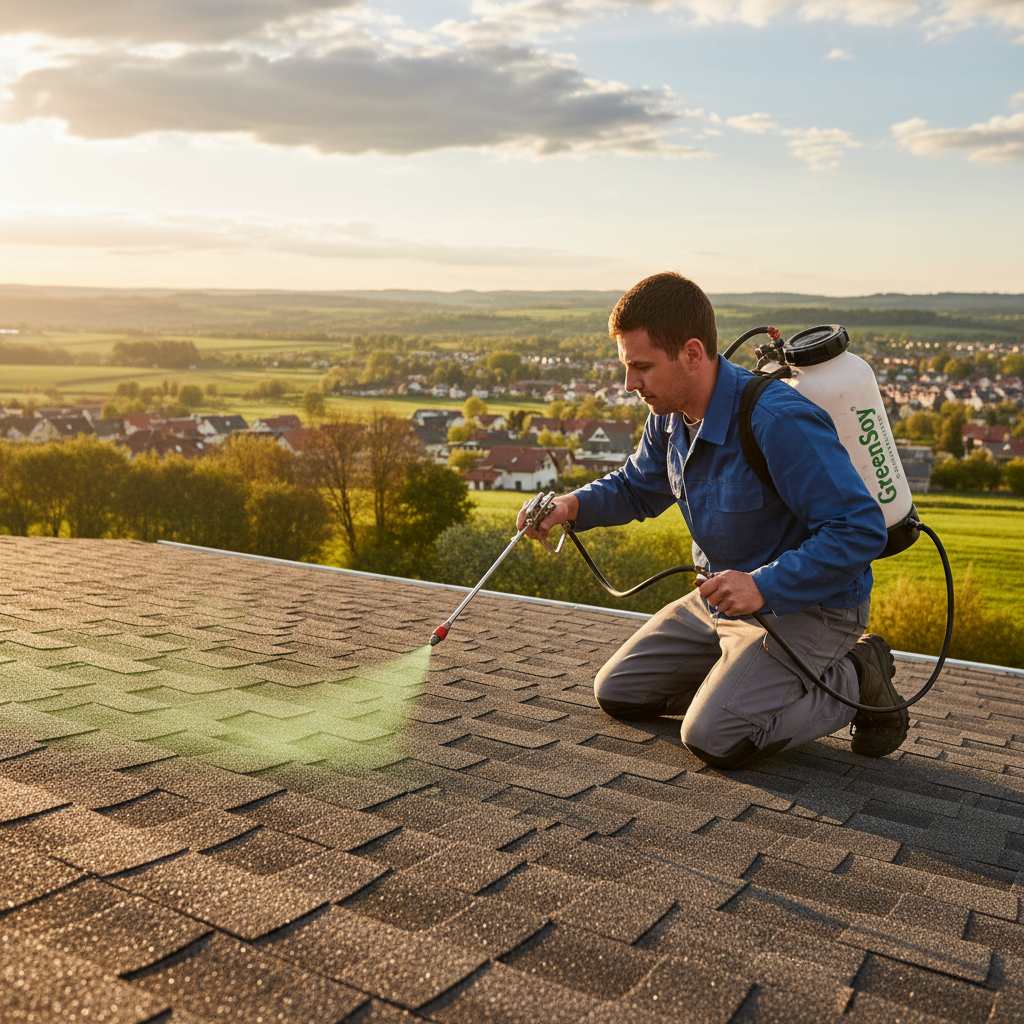
| Shingle rejuvenation (life-extension treatment) | Medium | Surface aging behavior (brittleness, granule retention) | When the roof isn’t actively leaking and you’re trying to slow surface wear | Doesn’t rebuild flashing/penetrations/transitions where most leaks start |
| Restoration/coatings (residential asphalt context) | Medium-to-high | Top-surface water-shedding and UV exposure | When pitched as a surface reset and the roof is otherwise stable | Doesn’t automatically improve the details that usually leak first |
| Overlay (roof-over) | Highest | Appearance and short-term coverage by adding a layer over existing shingles | Rarely a good “avoid surprises” choice when you need to assess decking and fastening | Keeps old layer/weak points in place and can hide evidence needed to judge the assembly |
The Evidence Bar for Shingle Rejuvenation
In PRI-style testing, treated shingles showed granule adhesion loss dropping from 1.43 g to 0.67 g, about 53% less granule loss under the protocol. Numbers like that are useful, but only if you understand what they do and do not prove about staying dry.
“Lab-tested” only helps you if you know what the lab did and what changed. A common independent-testing setup you’ll see cited uses real, naturally aged shingles (often around 15 years old) and then runs accelerated weathering for about 1,500 hours, frequently described as roughly five years of additional aging. That’s more meaningful than a simple before/after photo because the test tries to stress the same failure pathway homeowners notice first: shingles getting brittle and shedding granules.
A widely shared takeaway from that testing is the shift in granule adhesion loss from 1.43 g untreated to 0.67 g treated, roughly a 53% reduction under the protocol. Translated: the treatment may help the shingle surface hang onto its protective layer longer. Granules still come off as the surface ages, even if a treatment slows that loss under a test protocol. But don’t jump from “fewer granules lost in a test” to “this roof can’t leak.” Most leaks still start at details (flashing, boots, transitions), and a rejuvenation treatment doesn’t rebuild those.
Granule loss is often the first visible sign the shingle surface is breaking down, but it doesn’t automatically tell you where the roof is most likely to leak next. Read more in our article: Shingle Granule Loss
Apply this credibility filter: some PRI-linked summaries note the shingles were client-supplied, and the lab doesn’t issue a performance or warranty statement. So treat third-party testing as evidence, because the proof is in the pudding. When you’re comparing options, ask the rejuvenation provider:
-
What exact test report are you relying on, and what shingles were used (age, type, condition)?
-
What endpoint improved (granule loss, flexibility), and by how much?
-
What will you inspect or repair first so you’re not “conditioning” a roof that’s already failing at penetrations?
Coastal North Carolina Reality Check

What works as a roof replacement alternative inland can fail faster in Wilmington’s mix of humidity and wind-driven rain, and ignoring that is asking for trouble even if the BBB rating looks spotless. Algae and mildew don’t just look bad, but they can keep a roof surface damp longer, and salt air accelerates corrosion on exposed metal like flashing edges and vent components, which is where leaks often start.
Storm seasons also change the math on storm damage roof repair. A roof that “looks mostly fine” can still take sub-severe hail or repeated gust events that increase granule loss and loosen seals, pushing you past the point where life-extension makes sense. If you’re choosing an alternative, you’re not buying a product, you’re buying how it holds up after the next two hurricane seasons.
After a major wind event, the most expensive problems are often hidden—lifted tabs, compromised seals, and flashing movement that can leak on the next hard rain. Read more in our article: Roof Problems After Hurricane
When an alternative is a smart delay
A smart delay buys time without turning every forecast into a stress test. The goal is a decision you can defend after the next heavy rain, not just a temporary reset that looks good for a month.
If an alternative doesn’t lower near-term leak odds, it just shifts the bill into the next storm cycle. If it only improves the surface while water is still getting in or the deck is weak, the underlying failure keeps spreading.
Green light (likely to buy time): no active leaking after recent heavy rain, the roof plane feels solid (no sagging/soft areas), and problems are isolated to a detail you can specifically fix (one boot or a short flashing run).
Yellow light (delay might work, but treat it like a test): you’ve had a single leak episode, you see growing granules in gutters after storms, or you’ve had recent wind events but no clear deck issues. In this zone, only move forward if you pair any “life-extension” work with a details-first inspection and a written list of what gets repaired now.
Red light (delay usually wastes money): recurring leaks, staining that reappears after rain, widespread shingle blow-offs, sagging roof lines, or soft decking at eaves or around penetrations. In Wilmington’s storm cycles, those signals mean the system is failing, not just aging.
What to ask contractors (and insurers)
A neighbor chooses the cheapest “restoration,” skips the paperwork, and then learns after a storm that exclusions and documentation decide what gets paid. A few pointed questions up front can keep you from discovering the fine print when you are already dealing with water damage.
If you’re choosing a roof replacement alternative, don’t let the conversation stay at product names or skip a roof inspection Wilmington NC. It’s not my first rodeo. You need answers that surface what’s eligible and what’s excluded, and I strongly think you should kick the tires on the contractor using This Old House level basics before the next wind-driven rain shows up.
Ask the contractor what would make them decline the option, which details get repaired before any treatment, and what their workmanship warranty excludes. Then ask your insurer whether repair or restoration affects claim eligibility and what documentation they require to support a future claim.
FAQ
How many years can a roof alternative realistically buy you?
If your roof isn’t actively leaking and the deck and details are still sound, a details-first repair or a localized replacement can buy meaningful time because you’re removing the actual leak pathway. Surface-oriented options (like rejuvenation or coatings) can sometimes slow visible aging, but they don’t reset flashing or penetrations, which is why “it looked better” doesn’t always translate into “it stayed dry longer” through Wilmington storm seasons.
Why is the cost range so wide between alternatives?
You’re not just paying for material; you’re paying for how much risk and unknowns you remove. A targeted repair can stay narrow and affordable when the failure point is clear, while anything that tries to “refresh” the whole roof still needs prep and detail work, and those are the parts that separate a cheap quote from one that actually reduces leak odds.
Are warranties on alternatives worth much?
They’re only as good as the exclusions and the company’s willingness to show up after a nor’easter. Treat any warranty as a documentation exercise: you want photos of pre-existing conditions and exactly which details were repaired, because most disputes come from “was this pre-existing?” not from the product failing in a clean, obvious way.
Will choosing an alternative hurt resale or insurance?
It can if you can’t explain what was done and why, so keep invoices, permits (when applicable), and before/after photos in a single folder you can hand to a buyer or adjuster. A buyer usually reacts better to “we fixed the leak mechanism and documented it” than to vague claims that the roof was “restored,” and some insurers care more about roof age than about cosmetic improvement.
Is delaying replacement actually better for the environment?
Often, yes, because most shingle waste comes from residential tear-offs, so postponing a tear-off delays a disposal event (FHWA estimates U.S. asphalt shingle scrap at ~11 million tons/year, mostly from tear-offs: FHWA roofing shingle scrap data). Just don’t let “eco-friendly” become an excuse to keep a roof that’s already failing, since repeated interior repairs and material waste from water damage can erase the benefit fast.
Roof not getting any younger? Contact us or call 703-673-6301 to find out where you stand.Before pricing a new roof, see what HardShore’s roof rejuvenation for Wilmington homes can bring back. Most treatments take one day.