You’re comparing roof restoration vs replacement because your roof looks mostly fine, but you’ve been told it’s near end-of-life. Replacement can feel like an irreversible expense; rejuvenation can read as a lower-cost delay tactic.
The simplest way to decide is to stop treating rejuvenation as a true substitute for replacement. Rejuvenation can help slow shingle wear on a roof that’s still watertight and structurally sound, but it won’t fix the failure points that cause costly damage, like soft decking or failing flashing. In coastal North Carolina, salt air and storm cycles punish weak details. The right call is seamanship, not guesswork: read the whole system and respect the downside if you’re wrong.
Roof Replacement Vs. Rejuvenation: The Quick Rule

You can make the wrong call in good faith and only find out when the next wind-driven rain shows up in your attic. A quick checklist helps because a wrong call can turn into structural damage and real money.
A real, local inspection is the fastest way to confirm whether you’re looking at normal aging or hidden system-level failures like soft decking and compromised flashing. Read more in our article: Roof Inspection Wilmington Nc
-
Leaking
-
Soft decking
-
Widespread missing shingles
-
Exposed fiberglass
-
Flashing or pipe-boot failures
-
Watertight and structurally sound
-
Stiff shingles
-
Early granule loss
-
Algae staining
When Rejuvenation Is a Smart Bet
In PRI-referenced lab summaries, asphalt shingle rejuvenation has shown sharply reduced granule loss, including results as high as an 86% improvement (1.11 g to 0.15 g) after treatment (see the PRI study summary PDF). That kind of result is useful because it sets expectations around wear reduction, not miracles.
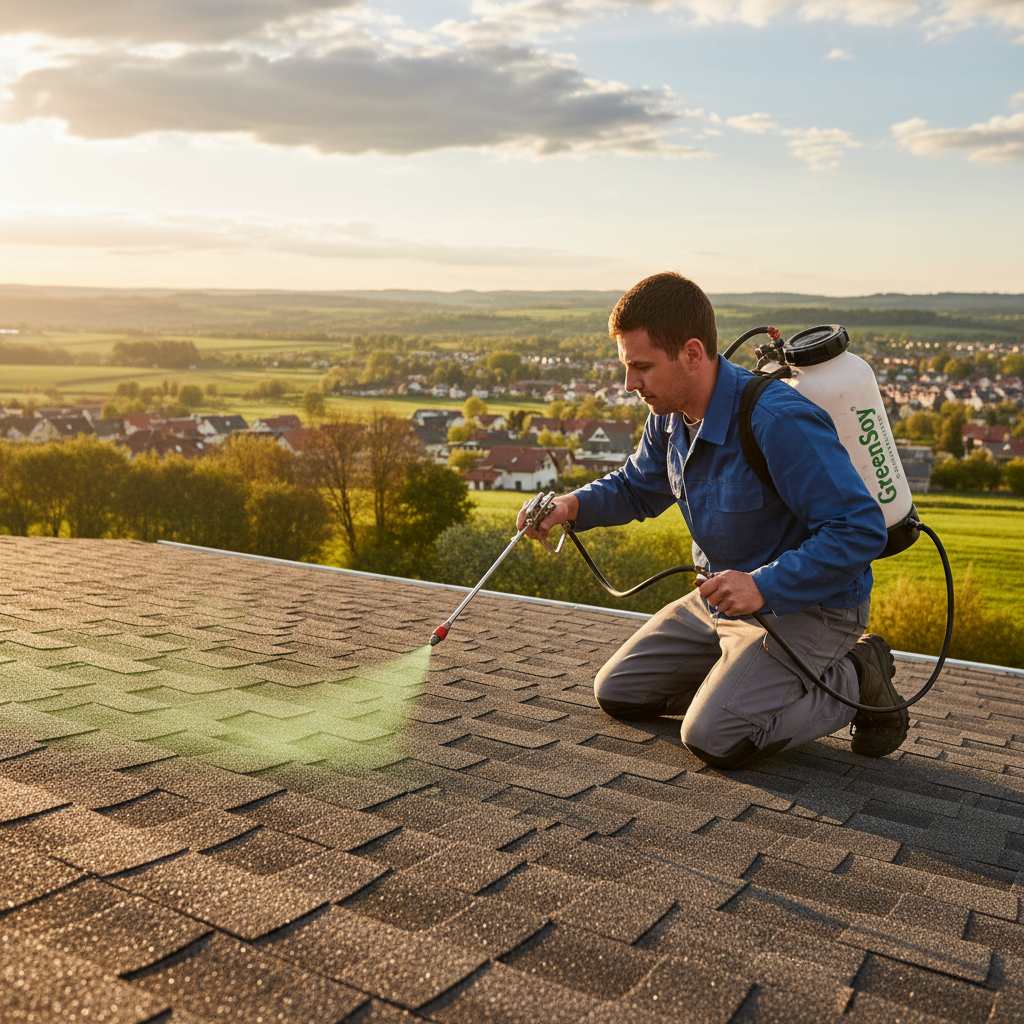
Rejuvenation fits when the goal is to slow wear on a roof that’s still performing as a complete system. Think of it less as an “alternative to replacement” and more as a way to kick the can down the road on a roof that is already watertight, like adding a fresh coat of marine varnish to slow weathering while the seams still hold. Coastal North Carolina compresses the timeline, so a national-average lifespan benchmark can mislead.
A smart-bet scenario usually looks like this: you’re in that 10–20-ish year range, the roof passes a real inspection, and the roof rejuvenation cost pencils out as a short bridge. You want a predictable bridge, not six of one, half a dozen of the other. Case in point: shingles feel stiff and you see early granule loss in gutters, but you don’t have active water entry or widespread blow-offs after storms.
To decide if your roof is “sound enough,” look for system-level green lights, not marketing language:
-
No active leaks or recurring interior stains after heavy rain, especially near chimneys, valleys, skylights, and vent stacks
-
Decking feels firm in the attic and on the roof (no soft spots, no visible rot, no chronic moisture)
-
Penetrations and edges are intact: pipe boots, flashing, drip edge, and ridge/hip areas aren’t cracking, lifting, or patched repeatedly
-
Shingles are aging but not failing: you may have algae staining and some granule loss, but not widespread cracking, missing tabs, or exposed fiberglass mat
One move that shifts this from “sales pitch” to risk management: ask for photos and a written condition report and keep it all.
Granule loss and stiff, drying shingles are often early signals that help you time a treatment window before cracks, blow-offs, and exposed mat show up. Read more in our article: Shingle Granule Loss If you ever need to explain roof condition to an insurer or a future buyer, that paper trail can matter as much as the treatment itself.
When Replacement Is the Safer Move
Replacement is the safer move when the problem isn’t “tired shingles” but a roof system that’s already losing its water-shedding integrity. A rejuvenator might improve shingle surface performance, but it won’t rework flashing geometry, reset failing pipe boots, replace compromised underlayment, or fix decking that has started to soften. In that situation, paying to “buy time” often just increases the odds you’ll pay twice: once for the treatment, then again for tear-off and repairs you can’t avoid.
Don’t let “it’s not leaking right now” lull you into waiting. Around Wilmington, minor detail failures often stay hidden until a wind-driven rain exposes them. That is why “wait and see” is a bad plan: the first time you notice it can look like a Lowe’s run that turns into a full weekend rebuild, with wet insulation or stained ceilings that expand the scope.
-
Repeated or active staining around chimneys, valleys, or vent stacks
-
Cracking or tarred-over flashing
-
Brittle or split pipe boots
-
Widespread nail pops and lifted tabs after storms
-
Soft decking or chronic moisture in the attic
-
Shingles worn to exposed fiberglass mat
The Evaluation Framework That Settles It
Picture a homeowner stretching the roof two more hurricane seasons, only for a late-summer squall to turn a small edge failure into wet insulation and an emergency tear-off. This is about decision economics, not fear.
Frame it as risk and timeline math, not a referendum on whether rejuvenation is “real.” It’s penny wise, pound foolish to ignore the weak links: you’re choosing between resetting the clock now or paying less to slow wear while the system stays a leaky bucket risk that never drops to zero. Lowest cost per year.
-
Lowest storm-leak risk
-
Least disruption
-
Cleanest warranty and resale story
-
Smallest waste footprint If a wrong call means soaked insulation after a tropical storm, an insurance fight over roof condition, or ripping up a newer solar install to replace the roof anyway, replacement usually wins. If a wrong call mostly means you replace a few years earlier than you hoped, rejuvenation can be a rational bridge.
| Lens | Rejuvenation (when roof is sound) | Replacement |
|---|---|---|
| Cost per year (years gained) | Lower upfront; value depends on getting enough added seasons in coastal conditions | Higher upfront; resets the clock immediately |
| Storm & insurance risk | System-level failure risk doesn’t drop to zero; documentation matters | Lowest storm-leak downside risk when details/system are failing |
| Disruption & timing | Can be a bridge for budgeting, pending move, or timing around solar | Paying once can reduce schedule and rework risk (avoid paying twice) |
| Warranty & resale clarity | May affect shingle manufacturer limited warranty; buyers may ask what was applied | Cleaner story when roof is near end-of-life; new roof is straightforward to disclose |
| Environmental impact | Can reduce tear-off waste if the roof is truly sound | More tear-off waste, but renews the whole system |
If you do this honestly, you’ll stop asking “Which is better?” and start choosing the option that best protects the thing you can’t easily undo: avoiding a forced replacement at the worst possible time.
Coastal NC Reality Check

In Wilmington and Carolina Beach, your roof ages in a tougher environment than most national “asphalt lasts 20–30 years” guidance assumes. Salt air, higher UV, humidity-driven algae, and hurricane-season wind-driven rain can shorten real-world lifespan by double-digit percentages, which means your break-even math for roof replacement vs rejuvenation needs a coastal baseline, not a brochure timeline.
Instead, when a contractor claims “we can add X years,” press them to define that number under coastal exposure. If they can’t anchor it beyond a ballpark number, that’s a red flag, because your next stress test isn’t theoretical, it’s the next named storm.
After hurricanes and wind-driven rain, many roof failures start at edges, flashing, and penetrations long before you see a ceiling stain. Read more in our article: Roof Problems After Hurricane
Decision Friction Most Articles Skip
You want the version of this decision where the underwriter and the buyer both nod and move on because your paperwork is clean. You lose leverage when you can’t document what was done, when it was done, and what the roof condition was at the time.
Rejuvenation usually lives in the “maintenance” bucket, which means your insurer typically won’t treat it like a covered loss, but they will care about roof age and condition. So treat documentation as part of the product: keep dated photos, the inspection report, the invoice, and the service/warranty paperwork, so you can answer underwriting questions or a buyer’s due-diligence request without hand-waving.
Also, don’t assume any treatment is automatically manufacturer-friendly (see this manufacturer technical bulletin on roof coatings/rejuvenators). Some shingle manufacturers state that applying a rejuvenator solution can make the shingle limited warranty not applicable. Before you spray anything, pull your shingle brand/model if you can and ask the contractor what, specifically, this does to manufacturer coverage and resale disclosures. “Saving money now” can be a Home Depot contractor-desk promise that turns into an anchor when it complicates a claim or a sale later.
FAQ
How Do I Know If My Roof Is Even a Candidate For Rejuvenation?
If you’ve got active leaks, soft decking, exposed fiberglass mat, or recurring flashing/boot failures, you’re past the “maintenance” window and you should price replacement. If the roof is watertight and the shingles are simply drying out or shedding granules early, rejuvenation may be a reasonable bridge.
What’s A Realistic Price Signal Compared To Replacement?
Replacement commonly prices out per square foot installed, so you can sanity-check any quote by translating it into a per-square-foot roof replacement cost number and comparing (for example, NerdWallet’s cost guide publishes installed per-square-foot ranges for asphalt shingle replacement). If a rejuvenation quote starts creeping close to replacement pricing, you’re usually paying a lot in roof rejuvenation cost for something that doesn’t reset underlayment, flashing, and decking risk.
What Should I Ask A Contractor Before I Agree To A Spray Treatment?
Ask what exact product they’ll apply, what conditions disqualify your roof, and what they’ll repair beyond the spray (pipe boots, flashing touch-ups, replacement shingles). Then request dated photos and a written condition report that stands up to insurance review, resale disclosures, and your own recordkeeping.
Can Rejuvenation Affect My Shingle Manufacturer Warranty?
Yes. Some shingle manufacturers state that applying a rejuvenator solution or coating can make the shingle limited warranty not applicable, so don’t assume “maintenance” is automatically warranty-safe.
If I’m Planning Solar Soon, Should That Push Me Toward Replacement?
Often, yes: you’re trying to avoid paying to remove and reinstall panels a few years later because the roof aged out faster than planned. If the roof won’t confidently outlast the solar timeline in coastal NC conditions, replacement usually lowers your total disruption risk.
Roof not getting any younger? Contact us or call 703-673-6301 to find out where you stand.The fix is often simpler than it looks. Our roof rejuvenation for Wilmington homes starts with a free inspection and a written report.