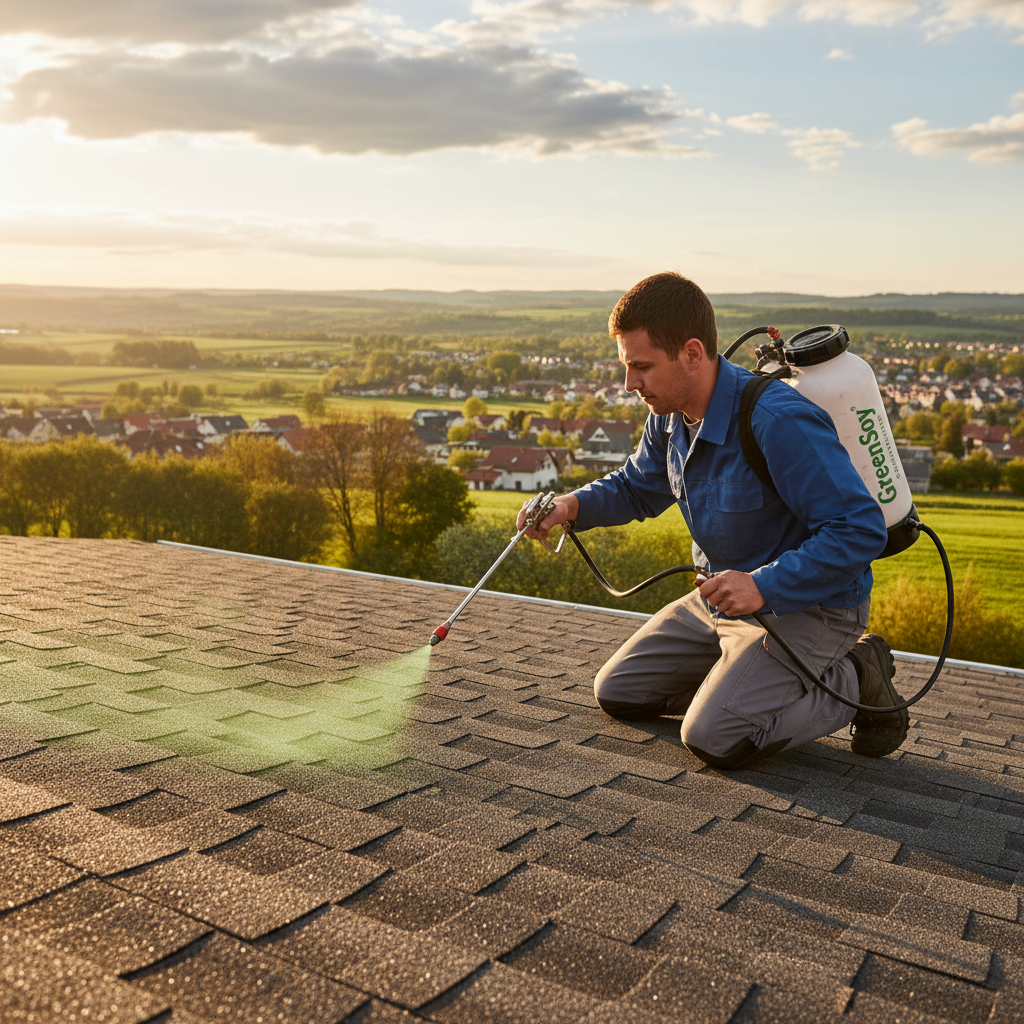
You’re probably asking what “roof restoration” means, and whether it’s worth it for your roof. For asphalt shingles, it’s a loose label that can mean cleaning or repair.
That fuzziness makes roof restoration Wilmington NC quotes hard to compare across Wilmington and other coastal NC communities, and it can leave homeowners paying for appearance while performance stays the same. In the sections below, you’ll learn how to sort every “restoration” pitch into the right bucket and how to sanity-check the cost so you’re not paying for marketing instead of roof life.
Shingle Roof Restoration Isn’t One Thing
On asphalt shingle roofs, “roof restoration” gets used as a catch-all, so you end up comparing apples to a full toolbox. Kick the tires first. One contractor may mean a targeted repair (fix a flashing/pipe boot). Another may mean cleaning (remove algae streaks common in humid coastal air). Others mean rejuvenation (a treatment intended to recondition aging shingles). And sometimes it’s a polite way of saying replacement.
If you don’t force the label into one of those buckets, you can pay for a roof that looks newer but still leaks after the next Wilmington storm. Before you compare prices, ask: “Which bucket is this, and what problem does it actually solve?”
| “Restoration” bucket | Primary goal | Best fit when… | Not the right tool when… |
|---|---|---|---|
| Repair | Stop specific leak paths / fix failed components | You have a known problem area (e.g., flashing/pipe boot, lifted shingle edge) and the rest of the roof is serviceable | You need broad system renewal or the deck/details are failing across the roof |
| Cleaning | Improve appearance (remove algae streaks) | Roof is performing but looks “shot” from coastal algae/discoloration | You’re trying to solve water entry or structural issues |
| Rejuvenation (treatment) | Buy time on an aging but functioning roof | No active leaks, no widespread shingle loss, no soft decking; age-related wear (drying shingles/early granule loss/algae) | Shingles are brittle, you’re chasing storm leaks, or multiple details are failing |
| Replacement (planning) | Reset the system (deck access + rebuild details) | Leaks/recurring callbacks, widespread shingle loss/curling, soft/sagging deck, failing valleys/penetrations | You only need a small fix or cosmetic cleaning and the roof is otherwise sound |
The Coastal NC Forces That Change the Math

A roof can look improved after a “restoration” and still get exposed by the next wind-driven rain when the real issue wasn’t cosmetic. Coastal roofs punish the wrong diagnosis fast.
In Wilmington and nearby coastal communities, the environment actively accelerates roof wear. Warm humidity plus long shade windows (think live oaks over the north-facing slope) makes algae discoloration common, and those black streaks often come from Gloeocapsa magma. As a result, a roof can look “shot” long before it’s failing, and a cleaning bid can get pitched as restoration even when it’s purely cosmetic. Nextdoor buzz does not change that.
Salt air and frequent wind-driven rain also raise the penalty for small entry points. A pipe boot crack or lifted shingle edge that might limp along inland can turn into a leak faster after a coastal storm cycle, so you can’t treat aesthetics and waterproofing as the same project.
The timing piece surprises people: if you’re considering a rejuvenation-style treatment, earlier tends to buy more time than waiting until shingles feel brittle.
Algae streaking is one of the biggest drivers of “restoration” sales in coastal North Carolina, even when the roof is still shedding water normally. Read more in our article: Roof Algae Causes Coastal Nc If algae is your main headache, a full replacement can change the long-term equation because algae-resistant shingle granules reduce recurring streaking better than repeat cleanings.
When Roof Restoration Is a Smart Bet
You get a few more years to plan the big spend, instead of replacing your roof on a contractor’s schedule after the next storm. That works best when the roof is still performing as a roof.
-
Still functioning as a roof (no active leaks)
-
No widespread missing shingles
-
No soft decking spots
-
Problems are age-related (drying shingles, early granule loss, algae discoloration), not structural failure
-
Often a fit for a 12 to 18-year architectural shingle roof that looks tired but passes a hands-on inspection
The part most homeowners get wrong is waiting for a leak to “prove” you need to act. Get ahead of it, like replacing brake pads before they grind. If the shingles have already gone brittle and you’re chasing water entry points after storms, rejuvenation tends to buy less time and can turn into money you wish you’d put toward replacement.
When Restoration Is the Wrong Call
If you’re trying to solve a water problem, “restoration” can become an expensive detour. In coastal NC, the first big storm after a feel-good treatment is a ruthless test, and a prettier roof does not buy you forgiveness if the system underneath is failing. That is true no matter what the BBB rating says.
Skip restoration and move straight to replacement or structural repair-first if you have active leaks or any sign the roof deck is compromised (soft areas, sagging lines, staining in the attic). Likewise, if flashings or penetrations are failing across the roof, you don’t need a reconditioning pitch.
Roof Restoration Cost vs Replacement
Most quotes aren’t about a minor upgrade; they’re a choice between two different price tiers. Rejuvenation treatments commonly land around $1,500 to $3,500, while replacement quotes often cluster around $7,000 to $15,000+.
For many Wilmington-area homeowners, this is a decision between buying time and resetting the system. Rejuvenation-style roof restoration often lands around $1,500 to $3,500 for an average asphalt-shingle home (roof rejuvenation cost varies by roof size and condition), while full replacement commonly clusters around $7,000 to $15,000+ (and climbs fast with tear-off, decking repairs, or upgraded components). That price difference matters because restoration usually buys time on a roof that’s still performing, while replacement resets the whole system.
-
Divide your restoration estimate by your replacement quote
-
Example: $2,500 rejuvenate vs $12,000 replace = about 21%
-
Around 21% can make sense if the goal is shifting replacement from “storm panic” to a planned project
-
If restoration climbs toward a big chunk of replacement, it’s an expensive way to delay work restoration can’t do.
Replacement isn’t just “new shingles.” It’s your chance to expose the deck, fix hidden soft spots, and rebuild leak-prone details around valleys and penetrations, as outlined in ARMA’s asphalt shingle re-roofing bulletin. If you treat price as the only scoreboard, you are being penny wise and pound foolish.
A treatment that’s priced too close to replacement often delivers a poor return because it can’t address decking or failing details the way a full tear-off can. Read more in our article: Roof Rejuvenation Cost Vs Replacement You are buying a shiny hood ornament, not a reliable engine.
The 3-Question ROI Sanity Check
If you’re using roof restoration as a way to buy time (not to “reset” the roof), you can usually tell whether the math works with three questions. Ignore the marketing. The “three quotes” rule is nonnegotiable.
-
What percent of replacement is the rejuvenation quote? Divide rejuvenation by replacement. If you’re under roughly 20–30%, you’re usually in the “buy time” zone; if you’re creeping toward 40%+, you’re paying a lot to postpone work you likely can’t avoid.
-
What are you trying to buy: 1 storm season or several years? If your shingles already feel brittle or you’re patching after every big rain, you’re often buying a short delay. Earlier treatment, when shingles still have more life left, tends to return more of the upside.
-
What’s the plan if it doesn’t perform? If the only plan is “hope,” you’re turning savings into risk. Make sure you’d still be OK paying for replacement later if the next Wilmington storm finds the weak spot.
Roof Coating vs Roof Rejuvenation: What to Avoid

You sign off on a “seal and coat” because it looks like an easy win, and months later you are troubleshooting new peeling or mystery leaks that were not happening before. When the method is wrong for shingles, the fix can get more expensive than the original problem.
If a contractor proposes a roof “restoration” that sounds like painting, sealing, or rolling on a coating over your asphalt shingles, slow down. Many coating-style systems aren’t intended for shingle roofs, and you can end up paying for a slick new look that changes how the roof sheds water and releases heat and moisture.
A thick sealant pitch can mask aging and granule loss while creating problems you won’t see until a Wilmington storm finds them. Before you say yes, ask one direct question: “Is this product specifically designed and recommended for asphalt shingles, or is it a coating system meant for other roof types?” If they can’t answer plainly, walk away.
What to Ask During an Estimate
One crew is ready to sell whatever sounds good, the other is ready to document what fails and what it will cost to make it right. The difference usually shows up in the questions you force them to answer.
During a “roof restoration” pitch, make the contractor define the work in a way that holds up after the next Wilmington wind-driven rain. Case in point: two quotes can both say “restore roof,” but one is basically a wash-and-treat while the other includes leak-point repairs and a clear plan if problems show up later.
Ask these, and don’t accept vague answers:
A credible estimate should include photo documentation of penetrations, flashings, and any attic moisture signals so you can compare contractors on evidence, not sales talk. Read more in our article: Roof Restoration Documentation
-
“Which bucket is this: repair, cleaning, rejuvenation, or replacement planning?”
-
“What will you inspect and document before recommending anything?” (photos of penetrations, flashings/valleys, attic signs of moisture, soft-spot checks)
-
“What’s explicitly excluded?” (decking issues, active leaks, damaged flashings, rotten fascia)
-
“How do you test success?” (what you’ll look for after the first heavy rain, and what triggers a callback)
-
“What does the warranty cover in plain English, and who honors it?” (term, leak coverage vs product coverage, transferability, and whether it’s the installer or manufacturer)
Roof Restoration FAQs
Will Roof Restoration Stop a Leak?
Not reliably. If water is getting in, you usually need a leak-focused repair (flashings, pipe boots, valleys) or a replacement-level rebuild of those details, because rejuvenation and cleaning don’t fix failed components.
Do Black Streaks Mean My Roof Is Failing?
Usually no—book an inspection (what many homeowners search as “roof inspection near me”) to separate “ugly” from “unsafe.” In coastal North Carolina, black streaks are often algae discoloration that can look severe even when shingles still shed water, so an inspection helps separate “ugly” from “unsafe.”
How Long Do Roof Restoration Results Last?
It depends on how much life is left in the shingles when you treat them. If you wait until shingles are brittle, you often buy less time than you expected, even if the roof hasn’t leaked yet.
What Should I Expect From Warranties?
Treat warranties like a definition of what’s covered, not a guarantee your roof can’t leak. Ask who pays for labor on a callback and what exclusions apply (existing leaks, storm damage, failed flashings).
Will Restoration Affect Insurance or Resale?
It can help you show you maintained the roof, but it usually won’t “reset” the roof’s age the way a documented replacement does. If you’re selling soon or dealing with insurance scrutiny, keep invoices, photos, and the inspection notes so you can explain exactly what was done.
Roof not getting any younger? Contact us or call 703-673-6301 to find out where you stand.