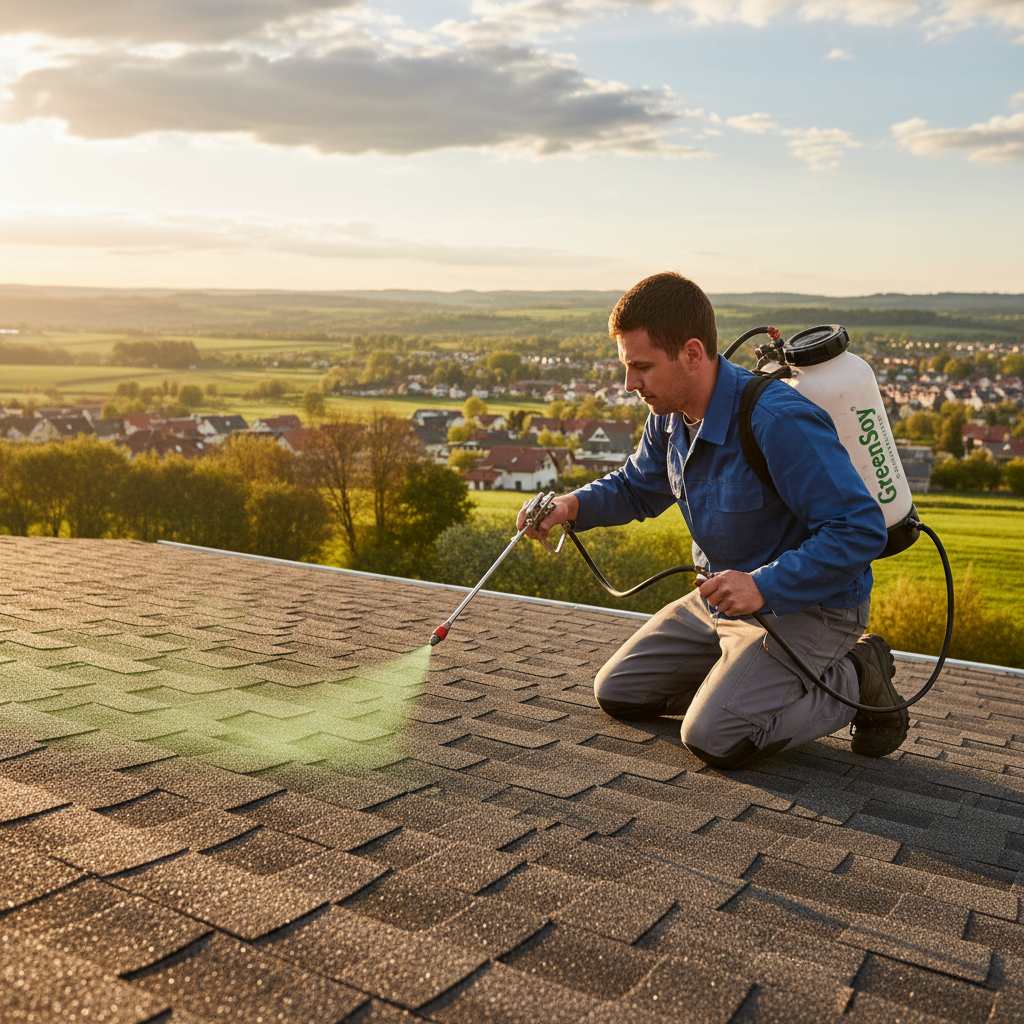
When you’re trying to compare “soft wash” and “pressure wash,” you’re really trying to avoid two expensive mistakes: damaging your roof or siding, or paying for a clean that doesn’t last. The problem is that the same labels can mean very different techniques.
In Wilmington’s humid, coastal conditions, the safest way to choose isn’t by the label on the quote, but by what hits your home: the surface pressure and the chemical strength. This guide breaks down what you’re removing and why roof staining often comes back. It also covers where damage typically happens and the simplest questions you can ask to make sure a provider’s “soft wash” really is low-risk for shingles, siding, and landscaping.
The Real Difference Isn’t the Label
You can hire the “right” service on paper and still end up with missing shingle granules or zebra-striped siding if the crew’s actual technique doesn’t match the promise.
Search “soft wash pressure wash,” and it’s often pitched as a simple either-or choice. In practice, the safer, more reliable distinction is what hits your roof or siding: surface pressure and chemical strength. Even when a quote says “soft wash,” a crew can still get close with a tight, high-PSI tip that scours shingles or marks softer siding. That’s the part you can’t see from the driveway. It’s where the label stops being useful, like painting over salt spray and calling it maintenance.
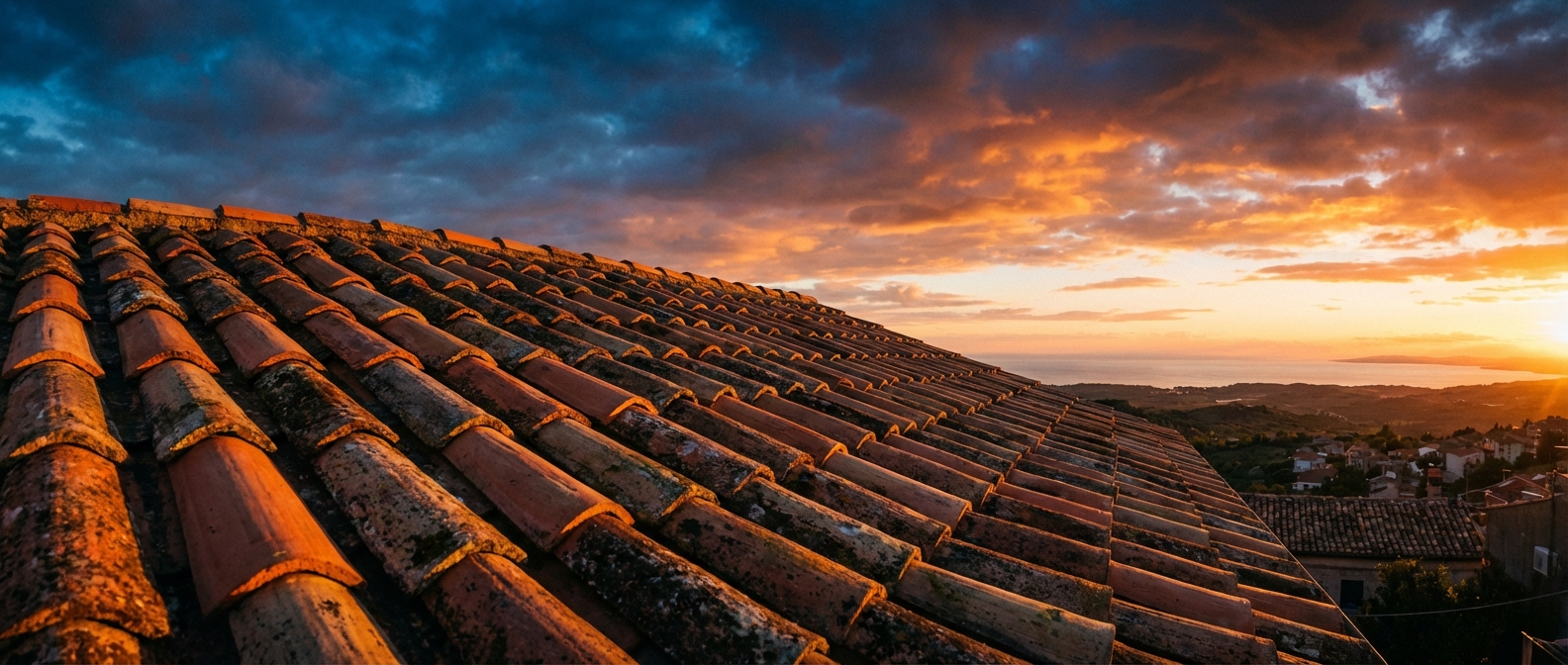
On most Wilmington-area roofs, those black streaks often aren’t surface dirt. They’re often algae growth that feeds on shingle materials and comes back in humid, shaded conditions. That’s why “kill it with the right mix, then rinse it off” matters more than “blast it off.”
In coastal humidity, those roof “black streaks” are often algae-related staining rather than simple surface dirt. Read more in our article: [Black Streaks Roof Shingles] ARMA guidance repeatedly warns against pressure washing asphalt shingles and instead points to a bleach (sodium hypochlorite) and water solution as effective for lightening staining, with the important caveat that results are temporary and recurrence is normal.
When you vet a provider (or compare quotes), kick the tires on a few options. Ask for the variables, not the buzzwords:
-
What PSI hits the surface (especially the roof)? You’re looking for truly low surface pressure on shingles (often described in the ~100–300 PSI range), not just a “low-pressure” sales line.
-
What chemical is used and at what strength? “We use bleach” is incomplete. You want to know the applied mix approach and how they protect landscaping.
-
How long is dwell time, and how do they control drying? If solution dries on siding or windows in coastal sun and wind, you can get streaking or spotty results.
-
How do they rinse, and where does runoff go? A careful rinse plan and plant protection tells you they’re managing risk, not just chasing speed.
What You’re Actually Removing (and Why It Comes Back)

A lot of what looks like “grime” on Wilmington-area exteriors isn’t just debris sitting on top of the surface. Those roof black streaks are widely tied to algae (often cited as Gloeocapsa magma) that can cling to shingles and feed on components in the roofing material. That changes what works: if you only try to blast the color off, you may leave living growth behind or damage the shingle while chasing a cosmetic result.
The hard part is that even a correct clean doesn’t make it permanent. ARMA notes bleach (sodium hypochlorite) and water can lighten algae staining, but it won’t keep it from returning. In a humid, shaded coastal climate, “it came back” often doesn’t mean the job was dishonest. It’s simply what moisture and shade do over time.
Practically, this should change how you judge success and plan maintenance. For instance, if one side of your roof stays damp longer because of trees or a north-facing slope, that area often re-streaks first. When you talk to a provider, ask what kind of reappearance timeline they see locally. You can also cross-check that answer against Nextdoor neighborhood recommendations before you book.
Roofs and Siding: Where Damage Actually Happens
A homeowner in Hampstead thought they were paying for a gentle clean until the tech stepped in close with a tight tip. The roof looked brighter that afternoon, and the problems showed up later.
On an older asphalt-shingle roof, the biggest risk isn’t that someone “doesn’t get it clean.” It is that they chase cleanliness with force, like sanding a finished surface to remove a stain. A tight stream up close can strip granules, leaving shiny bare spots and faster aging, and it can lift shingle edges. That warning exists for a reason: granule loss can’t be reversed, and the damage may not show up until months later.
Siding failures look different, but they’re just as real — especially with vinyl siding cleaning if the angle and distance are wrong. High pressure at the wrong angle can force water behind vinyl laps, trim, or J-channel and wet the sheathing, and it can etch softer materials or roughen painted surfaces so they hold dirt faster. On older, chalky siding, aggressive washing can accelerate oxidation and leave zebra-striping that never fully blends back in.
If you’re fixated on PSI numbers, you’ll miss the real danger: distance and spray angle decide whether you’re rinsing or injecting water into your house. On wash day, keep an eye on the work.
Granule loss from aggressive washing can shorten shingle life even when the roof looks cleaner right away. Read more in our article: [Shingle Granule Loss] Watch for close-up blasting, upward spraying under laps, and chemical allowed to dry on sun-baked walls.
A Homeowner’s Decision Framework for Soft Wash vs Pressure Wash
Don’t start by picking a method and forcing it onto the whole property. Start by picking the surface and the problem, then match the tool. The most common mistake homeowners make is treating PSI like a proxy for “safe” or “effective,” when the real question is whether the surface can tolerate impact and whether you can keep water from going where it shouldn’t.
Use this simple framework: Soft wash when you need chemistry to do the cleaning on a delicate or leak-prone surface; pressure wash when the surface is structurally tough and you’re mainly removing embedded soil — this is the core distinction behind safe, effective soft washing. Case in point, an asphalt-shingle roof with black streaking usually needs a kill-and-rinse approach, while driveway pressure washing often needs mechanical agitation and higher flow to move grit out of pores.
| Choose this | Best for | Typical situations |
|---|---|---|
| Soft wash | Delicate or leak-prone surfaces where chemistry does the cleaning and rinsing stays gentle | Roof; painted trim; older/chalky siding; laps/seams where water intrusion is a risk; algae/mildew; controlled dwell time |
| Pressure washing | Structurally tough surfaces where you’re mainly removing embedded soil | Concrete, pavers, brick, hardscape; sand/clay staining, gum, tire marks; flat-surface cleaner use; runoff managed |
| Both (same job) | Mixed surfaces where different tools reduce risk and improve results | Typical Wilmington layouts with siding/trim plus hardscape; roof/verticals treated gently; driveway/walkways cleaned mechanically |
What you can do with this on a quote call: ask, “Which areas are you soft washing vs pressure washing, and why?” If the answer is “we pressure wash everything” or “we soft wash everything,” that’s not a plan. It is not worth rolling the dice, and BBB ratings often reveal the same pattern.
Vetting a Wilmington-area provider (eco, licensed, low-risk)

You get a written process and proof of insurance, plus a crew that treats your landscaping and roof like they’re part of the job, not collateral damage. The bid might not be the cheapest, but it is the one that keeps surprises off your next repair invoice.
You’re not buying “soft wash” or “pressure wash” — you’re buying a low-risk process for roof cleaning Wilmington NC conditions. So push for proof and specifics up front, not vague promises. On the call, request a copy of their liability insurance. Use it to confirm they’re a legitimate local business, and if they’ll step onto the roof, ask how they manage fall risk. Then get concrete about method: “Do you ever use pressure on asphalt shingles, or is it chemical application plus a gentle rinse?” and “How do you prevent overspray and protect plants and outdoor outlets?” A credible answer includes pre-wetting and post-rinsing landscaping and controlling dwell time so mix doesn’t dry in sun and wind. Finally, set expectations you can live with: ARMA notes staining can lighten but may return in humid climates, so ask what maintenance cadence they typically see for shaded roof slopes here and whether they offer a lighter follow-up clean instead of waiting until streaks get heavy again.
Plant protection should be treated as part of the cleaning process, especially when sodium hypochlorite mixes and runoff are involved. Read more in our article: [Protect Landscaping Cleanup]
FAQ
Is Pressure Washing Ever OK on Asphalt Shingles?
No. It’s a bad idea, even if Angi (Angie’s List) contractor reviews say it “turned out great,” because the jet can strip granules and lift edges.
What PSI Is Truly “Soft” for a Roof?
What matters is the pressure that actually hits the shingles, not the machine’s rating. For roof work, providers often describe true low surface pressure in the roughly 100–300 PSI range, paired with a chemical clean and a gentle rinse.
Will Bleach Hurt My Plants?
It can if overspray or runoff hits leaves or pools in beds. A careful provider pre-wets and post-rinses landscaping, controls dwell time so solution doesn’t dry in sun and wind, and manages runoff instead of letting it drain straight into planted areas.
How Often Should You Clean in Coastal North Carolina?
Expect recurrence in humid, shaded conditions even after a correct clean, because the staining is often biological and tends to come back. In Wilmington-area conditions, many homeowners plan on periodic maintenance cleans, with the north-facing or tree-shaded slopes needing attention first.
Can One Company Soft Wash the House and Pressure Wash the Driveway on the Same Visit?
Yes, and that’s often the safest approach. You want chemistry and low impact for roofs and siding, and higher-pressure tools for concrete and pavers where you’re removing embedded soil and grit.
Roof not getting any younger? Contact us or call 703-673-6301 to find out where you stand.Mixing up the two methods is an easy way to damage brick, stucco, or wood trim. Our pressure washing crew in Wilmington figures out which approach fits before starting.