You don’t look up “soft wash roof cleaning” because you’re bored. You’re staring at black streaks or moss, and you want them gone without shortening the roof’s life or nuking your landscaping.
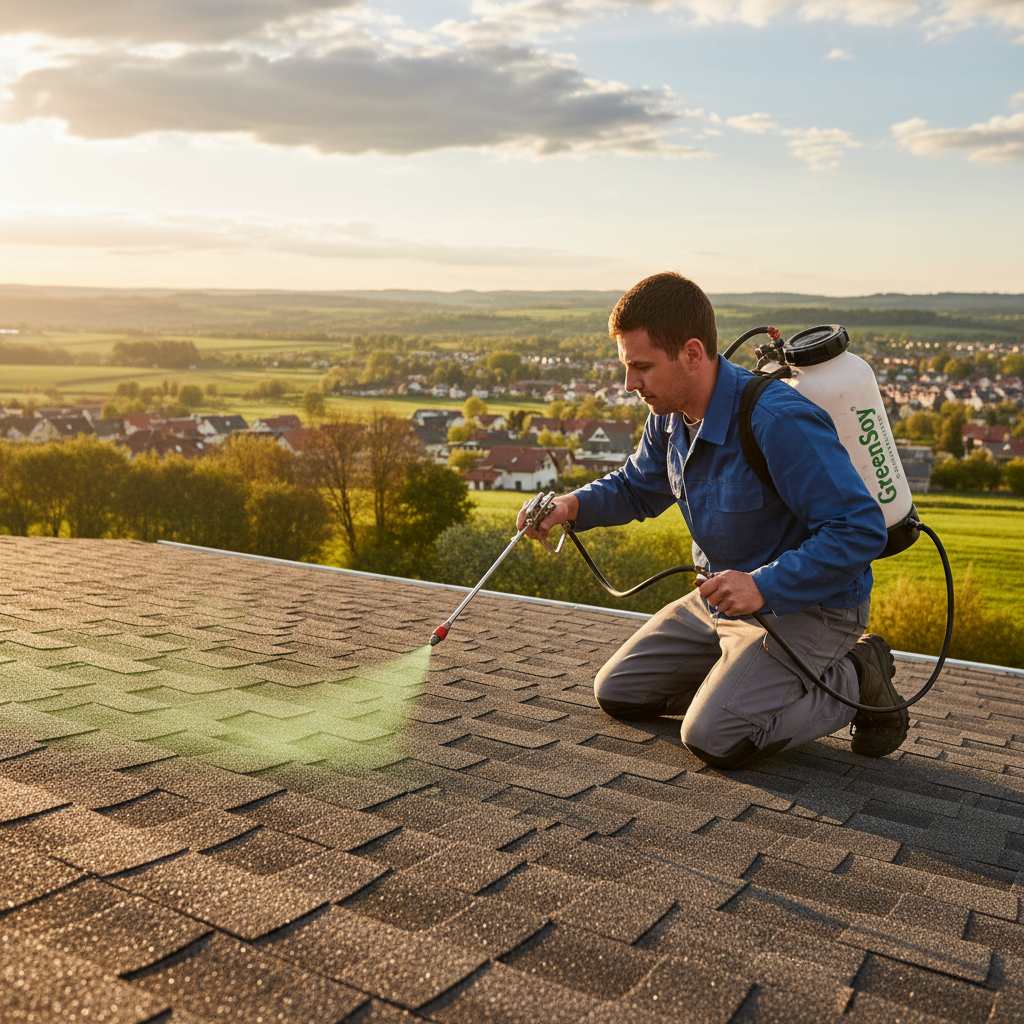
Soft washing is a low-pressure roof treatment where a roof-safe cleaning mix does the real work, then time and weather finish the job. So a reputable crew may not chase an instant, pressure-washed reveal before they pack up in the Wilmington area. In this guide, you’ll learn what “roof-safe” means for asphalt shingles and what results timing you should expect in humid coastal North Carolina. You’ll also get the questions that help you spot shortcuts before you accept a quote, so you can do it right the first time instead of buying a patched tire on a long drive.
The Real Problem Under the Streaks: Algae Biology in Humid Coastal NC

A neighbor on the same street can clean their roof and still see the streaks come back a season later, while yours stays calm longer. The difference often comes down to whether the growth was killed, not just lightened for a photo.
Those black streaks usually aren’t “roof dirt” you can blast off once and forget. In humid coastal North Carolina, a big driver is algae growth, often tied to Gloeocapsa magma, that lives on the surface of asphalt shingles and keeps coming back when conditions stay warm and damp. That’s why the same roof in Wrightsville Sound can look worse year after year even if you never change anything about your gutters or tree cover: you’re dealing with a living film, not a one-time stain.
That’s why, in the soft wash vs pressure wash roof decision, soft washing usually beats high-pressure washing. The point isn’t to mechanically strip the roof until it looks new today; it’s to kill the organism so the discoloration stops spreading and gradually releases. For instance, if your HOA in Porters Neck flags streaking, you might feel tempted to demand an instant “before/after” reveal you can post to Nextdoor neighborhood groups, but that mindset is a bad idea because it can push contractors toward more force or harsher moves that cost you shingle life.
What you can do differently: when you get a quote, ask whether they’re treating for biological kill (with dwell time) and what “results timing” they expect. If someone promises perfect, same-day cosmetic uniformity on every roof, treat that as a warning sign, not a selling point.
On many asphalt shingle roofs around Wilmington, the “black streak” problem is primarily algae discoloration rather than simple surface dirt. Read more in our article: Black Streaks Roof Shingles
What Makes Soft Wash Roof Cleaning “Roof-Safe”
“Roof-safe” soft wash roof cleaning comes down to whether the crew controls the few variables that actually affect your shingles. Chemistry and dwell time should do the work, not force that strips the surface. If a contractor sells “good” as a bright, instant reveal in Carolina Beach, pass, because shingles aren’t a whiteboard you can wipe clean.
| Roof-safe variable | Typical target (asphalt shingles) | Why it matters | What to ask in a quote |
|---|---|---|---|
| Pressure | Well under 500 PSI (often far lower) | Reduces granule loss and premature wear | “What pressure range do you apply at on shingles?” |
| Mix strength (SH) | ~1.5%–3% available chlorine + surfactant | Stronger mixes can raise overspray/runoff risk and exposure | “What SH percent do you use on shingles, and do you use a surfactant?” |
| Dwell time | Often 15–30 minutes for heavier growth | Chemistry needs time to kill; visual change can be gradual | “How long is dwell time, and how do you define ‘done’ if it doesn’t look perfect immediately?” |
The Hidden Tradeoff: Faster Results vs Landscaping and Runoff Risk
You get the roof cleaned, then notice your shrubs browning along the drip line two days later and a sharp chlorine smell that will not quit. That regret usually starts with a job optimized for speed instead of control.
Judging the job by how dramatic it looks at pickup time rewards the approach most likely to leave you with stressed plants, a bleachy odor, and runoff issues. In practice, “faster” usually means a hotter sodium hypochlorite mix or less patience on dwell time. That can speed up kill and visible change, but it also raises the chance that overspray drifts onto foundation plantings or that runoff hits a bed edge and burns it before you notice.
This matters more in coastal Wilmington-area neighborhoods than people expect. Lots often have tight side yards and dense shrubs along the house. Case in point: if your downspouts dump near liriope or azaleas, a stronger mix that races off the roof can concentrate right where roots and leaves are most sensitive, even if the shingles themselves are fine.
What to do with this when you compare quotes: don’t ask for “the strongest stuff.” Ask how they’ll get results while protecting landscaping and drainage, since “just hit it harder” is a shortcut that isn’t worth the headache. A credible answer includes specifics like pre-wetting and post-rinsing plants, controlling where downspouts discharge during the wash, and using surfactant for cling so the solution stays on the roof instead of immediately streaming into gutters. If a bid leans heavily on “we’ll make it look brand-new today” but gets vague about runoff control, you’re looking at the wrong version of fast.
Plant damage after a wash is most often tied to overspray and gutter runoff that wasn’t diluted and rinsed fast enough. Read more in our article: Protect Landscaping Cleanup
What Soft Washing Can’t Promise (and Why Chasing ‘Instant Clean’ Can Hurt)
Soft washing can reliably kill algae and weaken heavier growth, but uniform color may take time after the crew rolls up hoses. Think of it like compost on a lawn. It works, but not on a timer. With moss or lichen in particular, you often get “dead vs. gone”: the organism dies first, then the remnants weather off over time, or a contractor may recommend a follow-up treatment instead of trying to force a same-day makeover.
If you insist on an instant, pressure-washed look, you nudge the job toward the two things that actually shorten shingle life: higher force and more aggressive tactics that can disturb granules. As an illustration, a crew trying to satisfy a “make it white today” expectation may over-rinse edges, lean into problem spots, or over-concentrate solution, and you end up paying for cosmetic speed with roof wear.
What to do differently: ask how they’ll verify kill and coverage, then get a clear timeline for how the roof should lighten after normal rain cycles.
Should You Do It Now? A Roof-Readiness Self-Check

You book the cleaning at the right time and it freshens the roof without turning into a surprise repair project. A two-minute check beforehand is what keeps a cosmetic fix from exposing a roof that is already failing.
Before you schedule soft wash roof cleaning, do a quick go/no-go check. If your asphalt shingle roof is near end-of-life (often 15–25 years, depending on product and sun exposure), already curling, or shedding lots of granules into gutters, cleaning can expose how far the shingles have actually worn. Make sure you’re dealing with asphalt shingles, not uncoated metal or specialty materials that need different chemistry.
If you see active leaks or storm damage, stop and consult a roofer first, regardless of any Better Business Bureau (BBB) badge. Also pick a stable weather window: no immediate heavy rain (runoff control) and no extreme heat (faster drying reduces dwell where you need it).
If a roof is already shedding a lot of granules or curling, cleaning can make underlying wear more obvious even when it’s done carefully. Read more in our article: Shingles Too Far Gone
Questions to Ask a Wilmington-Area Contractor Before You Accept a Quote
A soft wash roof cleaning quote can sound legitimate while hiding shortcuts that only show up later, like burned shrubs or granules in gutters. In coastal Wilmington neighborhoods where landscaping sits tight to the house and runoff moves fast, you’re not just buying “a spray,” you’re buying a controlled process, like a surgeon working around nerves instead of a painter slapping on a coat.
Ask these questions and listen for specific, calm answers rather than sales talk:
-
“How do you keep it low-pressure on asphalt shingles?” You want chemistry and dwell time doing the work, not force.
-
“What do you do to protect plants and control runoff?” Look for pre-wetting, post-rinsing, and a plan for downspouts.
-
“What should I expect the roof to look like today vs. after a few rains?” If they promise perfection immediately, push back.
-
“Do you carry liability insurance and workers’ comp for roof work?” If someone gets hurt on your roof, you don’t want that landing on you.
-
“If dark areas persist, what’s your follow-up plan?” A competent contractor can explain whether a second treatment or time is the right next step.
What You’ll Likely Pay and What “Value” Looks Like on an Aging Shingle Roof
A true soft-wash system is typically kept under 500 PSI, and some guidance puts it closer to 40 to 80 PSI. If the price only makes sense when someone leans on force, the “deal” can get expensive fast.
In the Wilmington area, soft wash roof cleaning cost often lands in the “a few hundred to around a thousand-plus” range for many single-family homes, with price moving more on access and risk than on square footage alone. A steeper pitch, tougher ridge access, tight landscaping in Porters Neck, or extra runoff protection can legitimately cost more, because you’re paying for controlled application and protection, not minutes on-site.
Value looks like three outcomes you can actually feel: you avoid the premature wear that comes from aggressive pressure, you regain curb appeal (and HOA peace), and you buy time before replacement if your shingles still have life. You also need to budget mentally for a repeat cycle, because humid coastal conditions mean algae can return; you’re managing biology, not “resetting” the roof forever.
Pricing red flags usually show up as extremes: a bargain bid that sounds like a quick spray-and-go or vague runoff/plant protection, because that kind of promise is usually nonsense. When a bid can’t plausibly cover safe access, insurance, and landscaping protection, it’s usually too good to be true.
FAQ
How Much Pressure Is Used in Soft Wash Roof Cleaning?
True soft washing relies on chemistry and dwell time, so the application stays low pressure, typically well under 500 PSI and often closer to hose-level pressure. If a crew plans to “rinse hard” to get instant results, get three bids first, because you’re drifting back toward the granule-loss risk you’re trying to avoid, like sanding off the roof’s sunscreen.
Is “Bleach” Used, and Will It Harm My Shingles?
Most roof mixes use sodium hypochlorite as the active ingredient, often roughly 1.5% to 3% available chlorine for asphalt shingles, plus a surfactant so it clings and works. The shingle risk usually comes from forceful washing or chasing instant whitening, not from a controlled, roof-appropriate mix.
What About My Plants, Lawn, and Pets?
Plants take the biggest hit when overspray or gutter runoff isn’t controlled, so you should expect pre-wetting and active rinsing during/after. Keep pets inside until surfaces are rinsed and dry, and don’t accept “it’s fine, it’ll dilute” as the whole protection plan.
How Long Do Results Last in Coastal North Carolina?
In Wilmington’s humidity, algae can return over time because you’re managing biology, not permanently changing the roof environment. A good outcome looks like slowed regrowth and a cleaner roof for a meaningful stretch, not a promise that streaks will never come back.
Can I Schedule After Rain, and Will This Affect My Roof Warranty?
You can schedule after rain, but you want a window where the roof can dry enough for the solution to cling and dwell instead of immediately running off into gutters. Warranty language varies, so ask your contractor what method they’ll use (low pressure, no granule-disturbing rinses) and ask your shingle manufacturer or roofer if you want a definitive read.
Roof not getting any younger? Contact us or call 703-673-6301 to find out where you stand.For Wilmington homes, our roof cleaning service in Wilmington delivers these results with a free quote first.