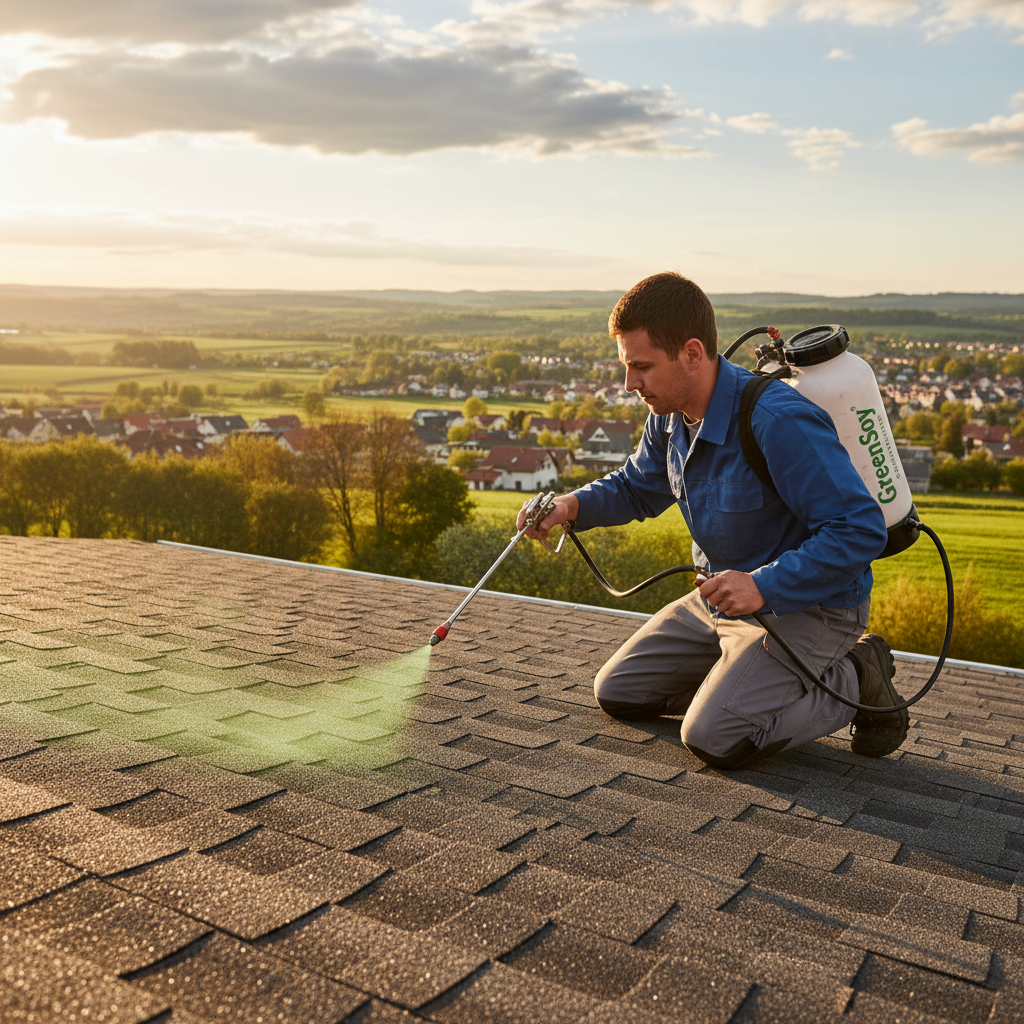
If your 20-year-old roof isn’t leaking, “replace it” can feel like a sales line, not a diagnosis. But at this age, you’re usually facing two separate tests at once: whether the roof still works as a watertight system, and whether it’s still acceptable for insurance and resale in coastal North Carolina.
In this guide, you’ll separate surface aging from true system failure so you can tell when restoration or rejuvenation might buy you time or when it’s expensive procrastination. You’ll also see the coastal dealbreakers that push borderline roofs over the edge and the exact inspection write-up you should ask for so your next step holds up with contractors, underwriters, and buyers.
The Two Failure Modes That Decide It

You can spend money on the wrong problem and still end up with a tarp after the next storm. The fastest way to avoid that is to identify what kind of failure you’re dealing with before you choose a fix.
A 20-year-old asphalt shingle roof usually lands in one of two buckets: surface aging or system failure. Surface aging is when shingles look tired but the roof still functions as a shedder of water, for example, widespread granule loss or early curling without active leakage. System failure is when the roof can’t reliably keep water out anymore, like recurring leaks or flashing problems that keep reappearing.
When you treat roof age as a hard expiration date, the decision gets distorted. That mindset turns into delay dressed up as prudence. Your next step is to match what you’re seeing (and what an inspection documents) to the right bucket, because only surface-aging roofs are realistic candidates for any life-extension approach.
A quick sanity check is to compare what you’re seeing against the difference between everyday wear and true storm or impact damage. Read more in our article: Normal Shingle Wear Vs Damage
20 year old shingle roof repair vs replace: Quick Triage
A homeowner gets two bids on the same 20-year roof and hears opposite advice: “You’ve got years left” versus “Replace it now.” A simple triage filter keeps you from picking based on whoever sounds most confident.
| Triage bucket | What you’re seeing | Best next step |
|---|---|---|
| Likely candidate | Shingles lie flat; no recurring leaks; granule loss looks cosmetic; a few fixable issues (single pipe boot, a couple popped nails) | Restore/rejuvenate may buy time (paired with small repairs) |
| Maybe | Moderate curling; mixed repairs; isolated wind damage after storms; insurer pressure but the roof still sheds water | Get a documented inspection and price both paths. Check Zillow or Redfin first, and do not move forward on vibes. |
| Don’t gamble | Soft spots in decking; multiple active leaks; widespread missing/lifted shingles; chronic flashing failures that keep coming back | Plan replacement |
What “roof restoration” can—and can’t—do

Most rejuvenation providers frame the upside as at least a 5+ year life extension on the right roof. That promise is useful only if you draw a hard line around what the treatment cannot repair.
“Restoration” on an asphalt shingle roof usually means roof rejuvenation for asphalt shingles—a rejuvenation treatment meant to improve shingle flexibility and slow down surface aging, not rebuild the roof. On the right candidate roof, it may buy you time (often framed as roughly a five-year extension), especially if you pair it with small repairs like replacing a cracked pipe boot.
What it can’t do is fix system failure: it won’t reseal bad flashing, replace soft decking, stop an active leak path, or make curled, wind-vulnerable shingles lay flat again. If you treat “spray = solved,” you risk paying twice. That’s why some inspection bodies stress rejuvenation is only appropriate in limited circumstances and not a substitute for proper inspection and repairs (see NRCIA’s overview). A near-failure roof doesn’t need much pressure from the next coastal storm to tip into leaks.
A useful gut-check before you spend anything: Are you trying to restore shingle surface condition, or are you trying to make a failing roof act new?
Coastal North Carolina Dealbreakers
On the coast, a roof that might limp along inland can cross the line faster because the environment keeps stress-testing the same weak points. After a windy squall off Wrightsville Sound, a couple slightly lifted tabs can turn into a broader wind-uplift problem on the next event. That can happen even if you never saw a ceiling stain. Salt air also accelerates corrosion at exposed metal edges and fasteners—classic salt air damage roof shingles conditions—and that can show up as recurring flashing or vent leaks that no “rejuvenation” treatment can solve. Add long humid stretches, and algae and moisture cycling can keep shingles damp longer, speeding surface breakdown on an already brittle roof.
“No leak yet” isn’t a coastal standard of safety. Treat this like the WRAL or WECT hurricane checklist, not a debate: do you see repeated shingle lifting after storms, rusting or staining around flashing, or algae that returns quickly after cleaning? If yes, treat a borderline 20-year roof as a higher-stakes decision and lean harder on documented condition, not hope.
Coastal wind events can expose hidden problems like loosened tabs or compromised seals that don’t show up until the next heavy rain. Read more in our article: Roof Problems After Hurricane
The Money Question: Asphalt shingle roof replacement cost per Year

If you wait until the roof forces your hand, you tend to buy the fastest crew, not the best plan. Putting everything into dollars per year makes “buy time” versus “buy certainty” a decision you can defend.
The cleanest way to compare “restore” versus “replace” is to convert both into cost per year of credible remaining life and shingle roof life expectancy, not the upfront price. For example, if a rejuvenation treatment costs a fraction of replacement and buys you about five years, you can ballpark a few hundred dollars per year of runway (some comparisons frame rejuvenation as a 10–20% cost relative to replacement). If replacement lands in the roughly $12,000 to $20,000 range and you expect 15 to 25 years depending on shingle type and install quality, you’re often in the same order of magnitude per year, just with far more certainty.
Don’t ignore the non-math costs: replacement brings noise and time off work, and it dumps a big pile of shingles into a landfill (the U.S. generates millions of tons of shingle waste each year). If you need time to plan, get ahead of it. A legit life-extension can be a bridge loan on the roof, but only if you’re buying years, not buying denial.
The Inspection Outcome You Need
A buyer’s inspector flags “roof near end of life,” and suddenly your clean verbal assurances turn into a negotiation discount. A photo-backed report now can save you from having to prove condition later with nothing but memories.
You don’t need a vague “looks okay” or “it’s old” opinion—or a roof inspection Wilmington NC free quick look with no documentation. Do it right the first time, and vet the inspector like you would on Angi and Google Reviews. You need a documented condition report that clearly classifies the roof as manageable surface aging or unmanageable system failure. That paper trail matters in coastal North Carolina because the roof decision often turns into an insurance or resale question later. Undocumented claims like “it had five years left” won’t help you when underwriting asks for proof.
A standardized roof inspection checklist helps you get consistent photos and defect notes you can share with contractors and insurers. Read more in our article: Typical Roof Inspection
Ask for an inspection write-up that includes
-
Dated roof-slope photos (wide shots plus close-ups) showing granule loss, cracking, curling, and any prior repairs
-
Moisture/decking notes: attic-side photos where possible, any staining, soft spots, or elevated moisture readings (and where)
-
Flashing and penetrations: photos and condition notes for pipe boots, step flashing, chimney flashing, valleys, drip edge, and any rust or gaps
-
Ventilation basics: what intake and exhaust you have, what’s blocked, and any signs of heat/moisture buildup that accelerates shingle aging
-
A clear bottom line: “repair + rejuvenation candidate” or “replacement recommended,” with the specific defects that drive that call and an estimated remaining useful life statement you can share with your insurer or a future buyer