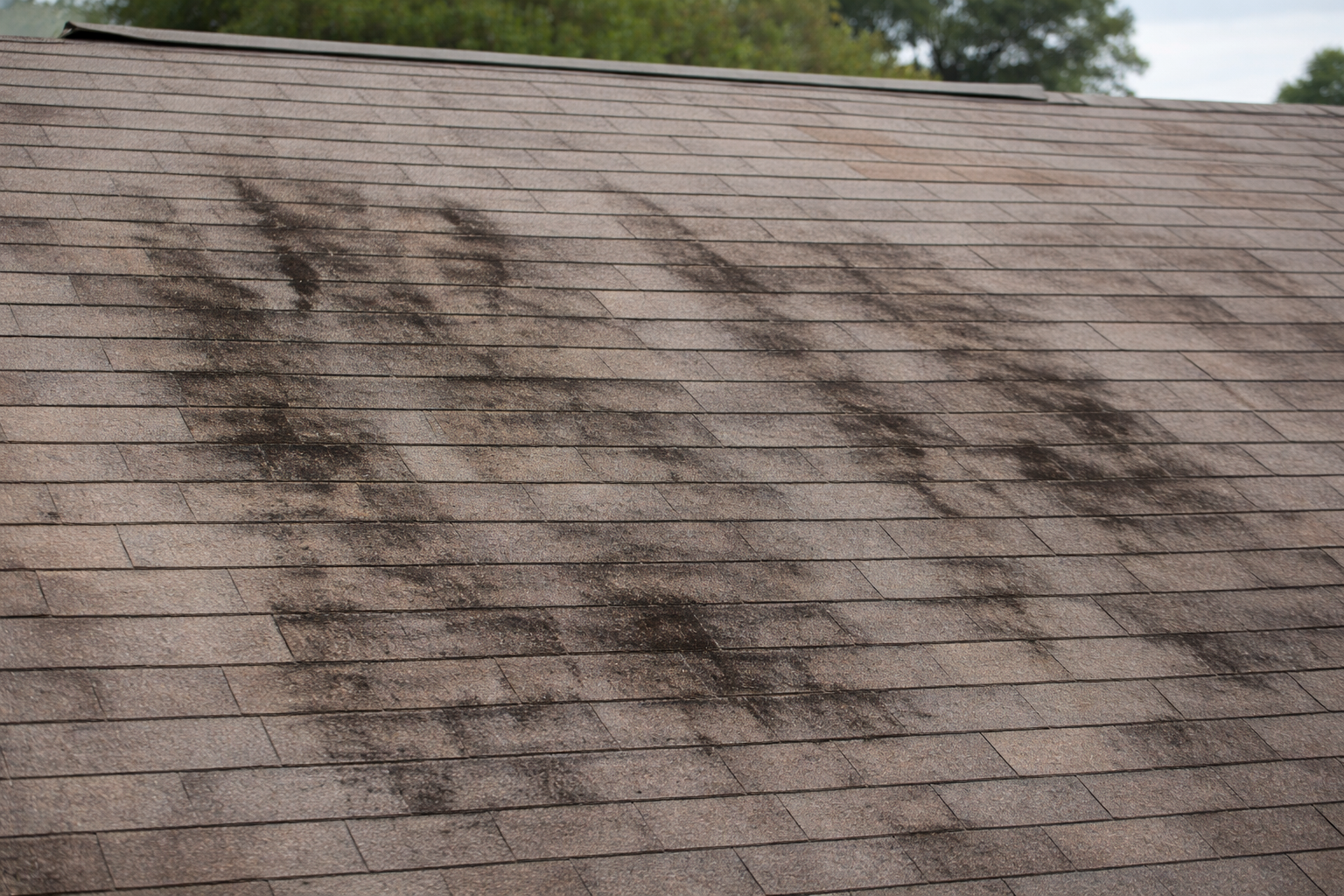
You stabilize the situation and document it fast. Then you decide whether you’re fixing one spot, budgeting a replacement, or ruling out “restoration” entirely.
When an inspection flags roof damage or an active leak, the scary part often isn’t the stain you can see. It’s the unknowns behind it, and how fast you need answers to book help. The steps below lay out a clear order of operations so you move quickly and avoid leaning on verbal reassurance.
Roof inspection found leak next steps: Prevent the Leak From Spreading

If you see active leaking or fresh staining, shift into containment mode. Put a bucket under the drip and move furniture and rugs. Pop a small hole in a bulging ceiling bubble to drain it into a container (otherwise it can collapse and spread). If a supply line might be involved, shut off the home’s main water and call a plumber.
Don’t climb a wet or windy roof, and don’t kick the tires on temporary roof leak repair after inspection with random caulk. That kind of quick fix can trap water and hide the true entry point.
Most roof leaks enter at penetrations and transitions like chimneys, plumbing vents, and flashing laps, not the middle of a shingle field. Read more in our article: Roof Leaks Chimneys Vents
Roof inspection report follow up: Lock in proof while it’s fresh
You can do everything right on the roof and still lose on paper. If the story of what happened is fuzzy, someone else gets to decide whether it was “new” or “pre-existing.”
What matters most at this stage is a time-stamped record that holds up with a roofer or insurer (see roof inspection report documentation guidance). Take wide shots (whole roof slopes and the room), then close-ups of the exact defect and any interior staining. Capture context like street-facing photos and a weather date.
A verbal “it’s minor” or a checklist-style pass/fail won’t protect you later; it’s how homeowners get burned. Ask for a written summary that names the likely entry point and notes limitations. Ask for photo labels and the inspection date. If you ever need a claim or negotiation leverage, paper beats promises.
Roof inspection results explanation: Translate the Finding Into a Scope
A neighbor gets a “quick patch” quote for a leak and relaxes. Two contractors later, the same leak is suddenly a partial redeck and a much bigger line item, all because the original finding was never turned into a scope.
Before you call for prices, turn “there’s damage” into a scope statement. The devil’s in the details. The same symptom (a ceiling stain) can come from one fixable entry point or a roof failing across a whole slope. Those two situations can produce very different bids, like a sprain versus a broken bone.
A useful way to frame it is: localized vs. systemic. Localized usually means one area and one cause (a few missing shingles near a flashing or one puncture). Systemic looks like a pattern: multiple leaks and repeated shingle loss. When you ask for estimates, make everyone price the same thing by requesting they answer, in writing: what area(s) they’d repair and what evidence makes them call it localized or systemic.
Inspectors and roofers often distinguish normal aging from true storm or impact damage, and that label can change both your repair scope and any insurance conversation. Read more in our article: Normal Shingle Wear Vs Damage
| Situation (from inspection) | What it usually indicates | Best path to pursue |
|---|---|---|
| Localized issue (one area/one cause) | A single entry point you can define and scope | Repair (with written, itemized scope) |
| Systemic pattern (multiple areas or repeated failures) | Broader failure across a slope/roof system | Replacement budgeting/scheduling |
| Structurally sound roof; no active leaks; no soft/rotten deck; no widespread shingle failure; no chronic moisture | Cosmetic/aging-related treatment may be appropriate | Rejuvenation/restoration (only in these conditions) |
| Active leaks, soft/rotten decking, multiple leak points, or widespread shingle failure | Underlying problem still needs correction | Skip rejuvenation; move to repair or replacement based on scope |
Choose the path: repair, replace, or rejuvenate

If your scope is localized, book a repair. Ask for a written, itemized scope (shingles and flashing) so you can compare apples to apples. If it’s systemic or you have soft decking in more than one area, stop hunting for “one more patch” and move to replacement budgeting and scheduling.
Rejuvenation/restoration only makes sense when the roof is still structurally sound: no active leaks and no rotten/soft deck. If water is already getting in, rejuvenation is a bad bet; it just dresses up a problem you still have to own.
Rejuvenation is time- and condition-dependent, and the best candidates are asphalt roofs that still have integrity and aren’t actively leaking. Read more in our article: Roof Rejuvenation
Next Steps for Estimates, Scheduling, and Insurance
Insurance timelines usually lag behind a spreading water stain. An adjuster decision might arrive in about 3–10 business days, but written estimates and approvals can stretch 2–6 weeks depending on volume and complexity—your roof inspection repair timeline can hinge on that (example timeline: what happens after you file a roof insurance claim).
Call 2–3 licensed roofers and get a second opinion with a written, itemized scope + price (repair vs. replace) and the earliest temporary dry-in date if water is active. In Wilmington’s storm seasons, schedules can fill up fast like a single-lane bridge—especially when you’re booking a roof inspection Wilmington NC appointment. Treat “we can look next week” as a risk, not a plan.
If insurance may be involved, start the conversation right away. Don’t rely on the insurer’s inspection as your only record. Get your own time-stamped photos and a contractor summary first, then ask what they need for a claim; an adjuster decision can land in roughly 3–10 business days but written estimates and approvals often stretch 2–6 weeks. Delays can turn “new damage” into “pre-existing” in someone else’s eyes.
Roof not getting any younger? Contact us at Contact us or call 910-241-1152 to find out where you stand.