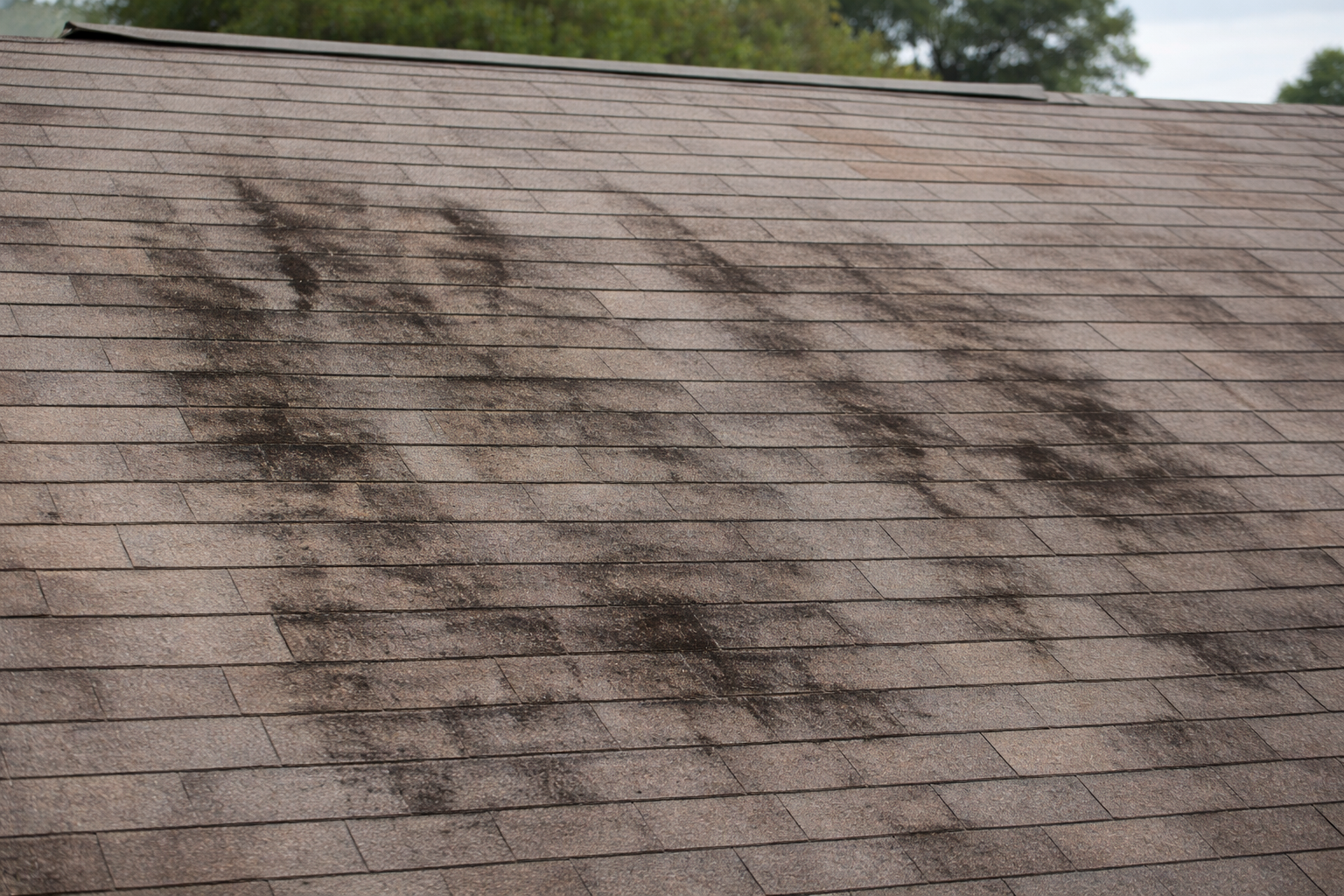
If you notice a small leak or water stain inside, treat it as an active leak. Protect the area and cut power if it’s near electrical.
Your goal right now isn’t to repaint or guess the source. It’s to prevent more damage and quickly figure out whether the stain is still growing, since water can travel before it shows up on your ceiling. The sections below walk you through what to do in the first 15 minutes and when it’s time to schedule a roof inspection or consider roof rejuvenation.
First 15 Minutes: Safety and Containment

If you see a new stain or a small drip, treat it like active water until you prove otherwise, small roof leak what to do starts with assuming it’s active until you confirm it’s not. Don’t kick the can down the road. Water can wick along framing and insulation and only appear indoors later. The spot you see can be the end of the trail, not the entry point, and waiting can turn a minor repair into wet insulation or mold.
Start with safety and containment. If water is anywhere near a ceiling light, fan, or a wall outlet, shut power off at the breaker for that room, not just the switch, then keep people out from under the wet area (see shut power off at the breaker). Move furniture and electronics, and put a bucket or tote under any drip.
If the ceiling is bulging or sagging with trapped water, you can lower the risk of a sudden collapse by draining it in a controlled way: place a bucket under the lowest point and carefully poke a small hole to let it empty (see controlled draining guidance). You’re not “making it worse” here, you’re choosing a smaller, predictable mess over a bigger, uncontrolled one.
Is It Active or Old? Mark the Stain
A homeowner swears a ceiling spot is “old,” then the next storm spreads it an inch past where it was yesterday. Having a simple before-and-after marker turns that argument into a yes-or-no answer.
Even when a stain looks finished, moisture can still be arriving from above and only reveal itself later at that spot, since water can travel before it becomes visible indoors (see water can travel along framing before showing up). To find out fast, lightly trace the outer edge of the stain with a pencil and write today’s date next to it (see outline the stain’s edge and watch for growth). Do it every time, and it beats trying to remember when you first noticed it.
Check it again after the next rain, or after you run the shower/tub in the area. If the stain grows past your line or feels damp, treat it as an active leak and stop thinking in terms of cleanup or paint until you’ve found the source.
Fast Clues to Roof vs Plumbing vs HVAC
Not every leak shows itself right away. After a major storm, a stain can surface weeks later, so use what sets it off to narrow the cause.
You’ll waste time if you default to “it must be the roof.” That’s a Band-Aid fix mindset. Instead, match the stain to a trigger, this is the fastest way to narrow down water stain on ceiling causes. Treat it like following footprints, not guessing.
| If the stain worsens after… | Most likely source to suspect | What to do next (fast) |
|---|---|---|
| Rain or wind-driven storms | Roof (flashing/boots), even if not directly above | Check again after next rain; schedule roof inspection if it grows/dampens |
| Showers, baths, toilet flushing, laundry | Plumbing (especially under a bathroom) | Recreate by running fixture; contact plumber if repeatable |
| Heavy A/C use or muggy weather | HVAC/condensation (sweating duct, condensate drain, bath fan duct) | Run A/C; check for condensation pattern; contact HVAC if repeatable |
if it darkens after rain or wind-driven storms, suspect roof flashing/boots even if the stain isn’t directly under the entry point. If it shows up after showers or toilet flushing, treat it as plumbing until proven otherwise, especially under a bathroom.
When it lines up with heavy A/C use or muggy Wilmington weather, look first to HVAC issues like duct sweating or a condensate drain problem. To move quickly, try to recreate the wetting (run the shower for 10 minutes or let the A/C run) and call the trade that matches what makes it worse.
Roof leaks often enter around flashing details like chimneys and vent boots, not always straight above the ceiling stain. Read more in our article: Roof Leaks Chimneys Vents
What to check safely (and what not to)

If you can do it from a stable ladder and dry footing, take a flashlight into the attic and look for the most obvious signs: wet insulation or dark staining on the underside of roof decking. For example, a leak at a vent boot can run down wood and show up a few feet over.
Stop if you see standing water or soaked wiring. Don’t get on the roof, don’t probe with tools around electrical lines, and don’t pull up shingles “to check.” If you need a pro, use Angi and pick someone with real reviews. One ER visit or a torn shingle line costs more than a professional inspection. Period.
A basic inspection usually includes checking flashing, shingle condition, and attic signs like wet decking or insulation. Read more in our article: Typical Roof Inspection
When to Schedule a Roof Inspection/Repair vs Consider Roof Rejuvenation
You make one call, the right person shows up, and the leak gets fixed before drywall, insulation, and paint become a second project. The difference is deciding while the problem is still small and the clues are still fresh.
If your pencil line grows after the next rain or the stain feels damp again, bite the bullet and schedule a roof inspection Wilmington NC now. Waiting invites a snowballing bill. A “small” interior mark can hide soaked decking or insulation, and you don’t want to find out you waited a week when mold or drywall repairs suddenly join the bill. Timing helps too: a big storm or hail in the last 3–12 months can be the real starting point, even if the roof looked fine at first glance (see 3–12 months after hail).
Consider roof rejuvenation only if your asphalt shingle roof is aging but otherwise in decent shape, and the issue looks like a limited, fixable intrusion (for example, a single flashing or vent boot repair) rather than a roof that’s failing in multiple areas. If you’re itching to repaint and move on, push back on that impulse: paint doesn’t stop water, and stains commonly return if moisture is still present.
Rejuvenation is best used to extend the life of aging asphalt shingles when the roof is still structurally sound, not as a substitute for fixing active leaks. Read more in our article: Roof Rejuvenation
Roof not getting any younger? Contact us or call 703-673-6301 to find out where you stand.