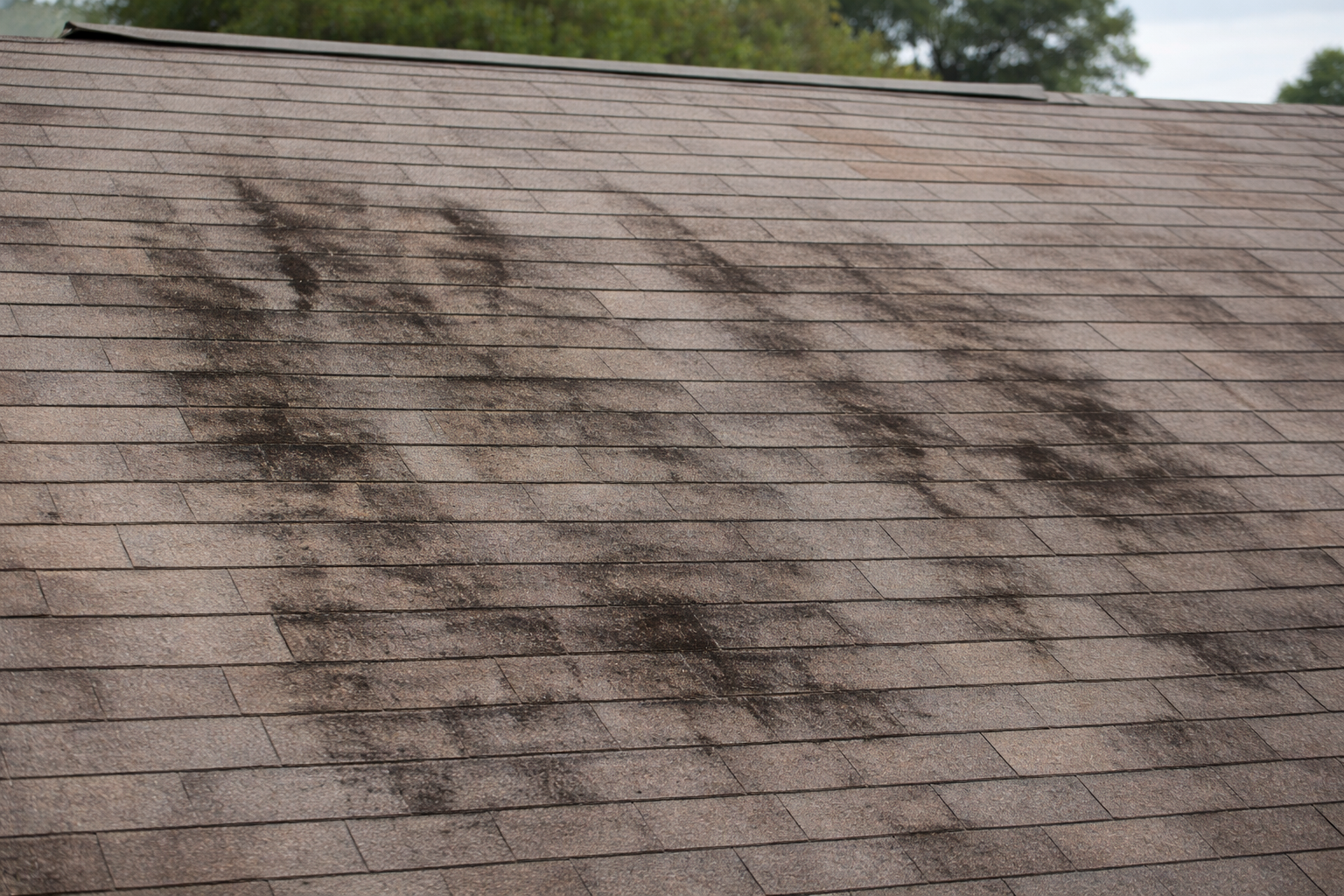
Roof rejuvenation keeps roofing materials out of the landfill by delaying a full tear-off. A full replacement usually sends tons of material into a dumpster right away. Recycling can change that, but only if you can verify it.
If you’re in coastal North Carolina, you’re probably weighing two things at once: what your roof needs to stay watertight through storms and what happens to all that old shingle material when it comes off in the roof rejuvenation vs replacement decision. The catch is that “replacement” doesn’t automatically mean “landfill,” and “rejuvenation” doesn’t automatically mean “waste avoided.” In the sections below, you’ll see what a typical tear-off creates and what rejuvenation changes (and what it can’t).
How Much Landfill a Replacement Creates

Nationally, asphalt shingles generate roughly 11–13+ million tons of waste each year (how much roofing goes to landfill), and most of it still ends up in landfills. A single roof decision is small in isolation, but it plugs directly into that default pipeline.
A full asphalt shingle replacement doesn’t just mean “new roof.” It usually means you’re paying to rip off and dispose of the old roof system in one big event. In the U.S., that adds up to roughly 11–13+ million tons of shingle waste a year, and most of it still ends up in landfills. That’s why replacement is the default waste-heavy option unless you change the disposal path.
To make that real at the house level: a typical single-layer tear-off on an around-2,000-square-foot roof often produces roughly 3–4 tons of debris. That is a lot. Picture a dumpster filling fast like a bait bucket after a hot day, with brittle shingles, felt/underlayment, nails, and assorted teardown scraps. Even if your contractor runs a clean job, that material doesn’t fit into normal curbside recycling, and it’s commonly priced by weight at disposal.
It’s tempting to think, “Surely they recycle most shingles now.” In practice, shingle recycling is program-dependent and logistics-dependent. Most shingle waste comes from residential tear-offs, which are harder to recycle than clean factory scrap. Landfill diversion with a replacement only counts if you can document where the load actually ends up.
A quick way to keep this honest is to ask: Where exactly is the tear-off going, and what will they do if the recycler won’t accept the load? Check their BBB rating too.
A documented waste estimate can help you compare the immediate tear-off impact to the years you might buy by delaying replacement. Read more in our article: Roof Replacement Waste Vs Rejuvenation No facility name and no clear process means you should plan on the tear-off going to a landfill with the rest of the job.
What Roof Rejuvenation Changes
Roof rejuvenation helps keep roofing materials out of the landfill in one specific way: it pushes the tear-off event into the future. If your shingles are still fundamentally serviceable, you may be able to extend roof life without replacement so you don’t create that immediate 3–4-ton dumpster load right now. By way of example, if a treatment credibly buys you even 5–6 more years, that’s 5–6 years where your old shingles and nails never become disposal-bound debris.
What it doesn’t do matters just as much. Rejuvenation doesn’t remove existing shingles, and it doesn’t make the end-of-life waste disappear. You’re not “recycling” the roof by treating it, and you shouldn’t treat it like a permanent alternative to replacement. The real landfill lever is timing: you’re choosing to kick the can down the road, not erase it.
Practically, you should evaluate a shingle rejuvenation treatment as buying time and ask one blunt question: How many additional years does this realistically delay a tear-off on my roof, given its current condition?
If your roof is near the end of its usable life, adding even a few years can materially change when that tear-off landfill load happens. Read more in our article: Roof Rejuvenation Life Extension
When Rejuvenation Is a Realistic Alternative
Rejuvenation only makes sense when your roof’s main problem is aging shingles, not active failure (independent discussion of asphalt shingle rejuvenation treatments). In coastal North Carolina, wind-driven rain and gusts punish weak spots fast. “It looks okay from the yard” isn’t a safe standard. If you’re already seeing leak symptoms or the roof can’t hold fasteners, postponing replacement usually trades a smaller waste event today for a rip-current repair bill tomorrow.
| Check | What to look for | Why it matters |
|---|---|---|
| Leaks | No ceiling stains, wet decking in attic, or recurring drips at vents/chimneys | Active leaks mean the roof is already failing; delaying can increase damage. |
| Shingle condition | Shingles still flexible; not cracking when lifted; not shedding heavy granules into gutters | Rejuvenation helps aging materials, not brittle or rapidly deteriorating shingles.
| Wind damage | No widespread tab lifting, missing shingles, or repeated blow-offs after storms | Storm exposure can turn minor weaknesses into sudden failures.
| Flashing/penetrations | Boots, step flashing, and chimney edges look sound | Treatments don’t fix metal details that commonly cause leaks.
| Deck integrity | No soft spots underfoot or sagging lines | Structural/deck issues often force a tear-off regardless of treatment.
If any of those fail, the “green” move isn’t delaying replacement. It’s fixing the roof in a way that prevents sheathing rot and interior damage.
A proper inspection is often the difference between safely delaying a tear-off and getting surprised by hidden damage that forces replacement anyway. Read more in our article: Roof Inspection Wilmington Nc
If You Replace Anyway, How to Reduce Landfill

You sign the contract expecting “recycled,” then months later realize there is no receipt and no way to confirm where the shingles went. Once the dumpster leaves your driveway, the outcome is usually locked in.
If you’re doing a full tear-off anyway, landfill diversion roofing comes down to chain of custody, not intentions (asphalt shingle recycling is program-dependent). Many crews will say “we recycle shingles,” but that claim is not worth the headache unless you can name the facility and meet their rules.
Before you sign, get clear answers to these checkpoints:
-
Which facility takes the load? Ask for the recycler/processor name and whether they accept residential tear-off shingles.
-
What contamination gets you rejected? Case in point: plastic wrap, wood, metal flashing, and mixed demo debris can kick a load out.
-
Who is hauling and where does it go if rejected? You want a real fallback plan, not a shrug.
-
What proof will you get? Ask for a weight ticket or receipt that shows where the material was delivered. Google Reviews is not proof.
Compared to rejuvenation, asphalt shingle recycling vs rejuvenation is the difference between not “avoiding” the tear-off event and trying to divert it. Without verifiable diversion, treat replacement as landfill by default. That marketing is doing too much.
Roof not getting any younger? Contact us or call 703-673-6301 to find out where you stand.