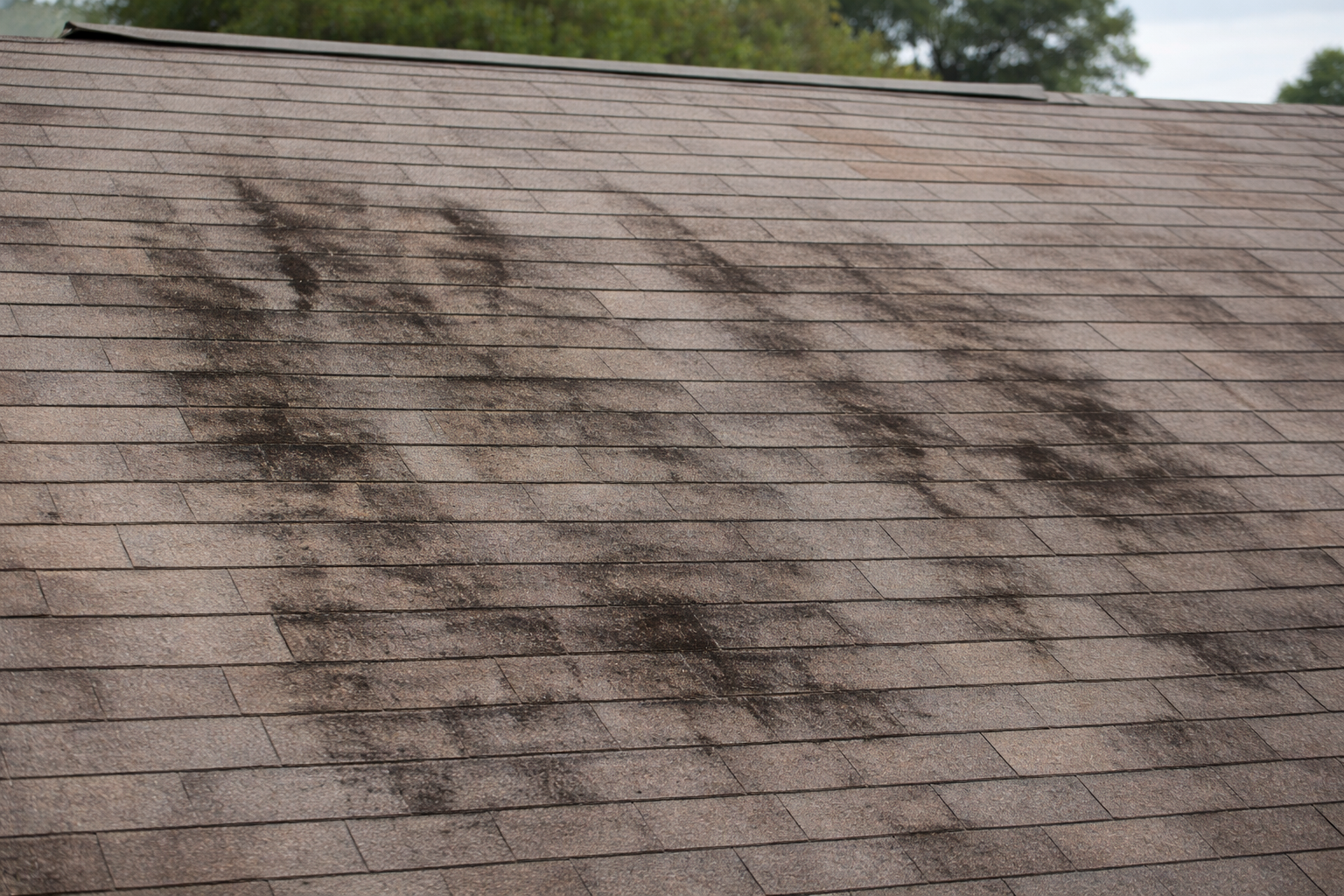
You’re trying to make a simple comparison: spend a few thousand to treat your roof and buy time or spend a lot more to replace it and reset the clock. The problem is that “my house is X square feet” doesn’t translate cleanly to either option, so you end up staring at wildly different quotes like a compass that won’t settle and wondering what’s missing or whether you’re about to pay twice.
To compare treatment versus replacement in a way that matches how roof work gets priced in Wilmington and coastal North Carolina, you need to shift from house size to roof size for a true roof treatment cost vs replacement view. Then compare both options on the same footing: roof surface area (in squares) and cost per year of service you’re realistically buying. Once you do that, the decision usually gets clearer fast, especially when you factor in the items that push replacement quotes up (tear-off, decking, flashing, access) and the conditions that make treatment a smart bridge or a false economy.
Convert House Size to Roof Size

If you’re comparing treatment vs. replacement using your home’s living square footage, you’re starting with the wrong measurement, and even Consumer Reports would tell you that’s a shaky way to price a job for roof squares calculation for house size. Roofers price by roof surface area (the actual sloped shingles), often in “squares” where 1 square = 100 sq ft. A 2,000 sq ft home can easily have 2,400 to 3,200 sq ft of roof, depending on pitch and roof complexity.
For a fast estimate, multiply your living area by ~1.2 to 1.6 to get roof sq ft. Then divide by 100 to get squares. If you want to stop guessing, measure roof area with a satellite measurement tool or ask each contractor, “How many squares are you bidding?” and use that number in your cost-per-sq-ft comparison.
Satellite-based roof reports can remove a lot of the guesswork when you’re converting living area into actual roof squares for pricing. Read more in our article: Typical Roof Inspection
Estimate Treatment Cost for Your Roof

Treatment only looks cheap if you ignore how tightly the price tracks your roof’s square count. The fastest way to get grounded is to start from the per-square-foot range and scale it to your specific roof.
Once you’ve got a roof-area estimate, you can ballpark treatment like you would paint or siding: price per roof sq ft, not per house sq ft. Many 2025–2026 guides cluster treatment around about $1.25–$1.85 per roof sq ft (roughly $125–$185 per square) for roof rejuvenation cost per square foot. So if your roof is 28 squares (2,800 sq ft), you can get a ballpark number of ~$3,500–$5,200. That lines up with the common “typical home” band you’ll see quoted, often $3,000–$6,000, before anyone confirms your roof actually qualifies.
What’s usually in that number is the application itself and basic prep to make it stick: crews typically blow off debris and apply treatment at a coverage rate around 1 gallon per 100 sq ft (details vary by product and contractor). Many treatment programs pair the job with a 5-year transferable warranty (see 5-year transferable warranty), so your real comparison input isn’t “treatment vs replacement total,” it’s dollars per year of life you’re buying, like budgeting for hurricane shutters before the season hits and checking the roof rejuvenation warranty.
What’s usually not in that number: anything that fixes a roof that’s already failing. If you’ve got active leaks, rotten decking, or flashing that needs replacement, those items price separately or disqualify the roof entirely. Case in point: a Wilmington homeowner might pay for treatment, then still need a roofer back for a chimney flashing repair after the next hard coastal rain. The risk isn’t that treatment is “too expensive,” it’s that you treat a roof that needed construction work, and you end up paying twice.
If your roof has active leaks or compromised flashing, a treatment quote won’t address the underlying repair work that needs to be done first. Read more in our article: Roof Leak Repair
Estimate New Roof Cost for Your Roof
You accept a replacement quote thinking it includes everything, then the tear-off or decking line items show up and the number jumps. The surprise is rarely the shingles, it’s the labor and scope hiding in the fine print.
Use your roof surface area to build a replacement range by scaling an installed rate across your measured roof sq ft. Recent pricing guides commonly land around $4–$12 per roof sq ft installed for asphalt shingles (see $4–$12 per sq ft installed), so a 2,800 sq ft roof often pencils out to roughly $11,200–$33,600 before you account for specific adders tied to roof replacement cost per square foot. Nationally, many “typical” replacements on an about 2,000 sq ft home end up around $10,000–$16,000, but that only helps if your roof matches the same labor and tear-off reality.
If you expect house size to predict price tightly, you’re kidding yourself, and you’ll keep getting blindsided. A lot of the spread is labor, and some guides put labor at about 40%–60% of the total (see labor at 40%–60%). That’s why a steeper pitch or a cut-up roofline can move your quote more than the shingles themselves, no matter what you heard in the roofing aisle at The Home Depot.
To make your range more realistic, get specifics on the usual swing items as part of how to compare roofing quotes. Confirm whether tear-off and disposal are included and what happens if they find bad decking (ask for a per-sheet rate). For instance, in coastal Wilmington, a quote that bakes in replacing rusted flashing and a few softened decking sheets can look “high” until you realize it’s pricing the surprise up front for salt air roof deterioration coastal exposure.
Itemized bids that spell out tear-off, decking, flashing, and disposal make it much easier to compare contractors on scope instead of just the bottom-line price. Read more in our article: Compare Roofing Quotes
Compare Cost Per Year Bought
A neighbor sees $4,500 versus $14,000 and calls it a no-brainer, then realizes one option is buying five years and the other might buy twenty. When you convert both into a yearly cost, the decision stops being emotional and starts being math.
Reframe it as paying for years of service so the two options compare cleanly. Take your all-in treatment total and divide it by the credible years you’ll get (often framed as ~5 years with a 5-year warranty). For replacement, divide your replacement total by the years you expect before the next reroof to get the same annualized figure.
| Option | All-in cost (example) | Credible years (example) | Cost per year |
|---|---|---|---|
| Treatment | $4,500 | 5 | $900/year |
| Replacement | $14,000 | 20 | $700/year |
Decide: Treat Now or Replace Now

You want the choice that lets you sleep through the next coastal downpour without wondering if you just postponed an inevitable tear-off. Pick the option that fits the roof’s condition and your timeline, rather than the lowest upfront quote.
Treat now when your roof is still structurally sound, you have no active leaks, and treatment’s $/year is competitive with replacement’s $/year, especially if you’re trying to bridge 3–6 years to a better budget window in a roof repair vs replace decision. For instance, if you plan to stay put and you can handle a follow-up repair or two, buying time can be a smart cash-flow move.
Replace now when you’ve got active leaking or any insurance or wind-mitigation deadline that could force your hand after the next storm. Don’t let the cheapest near-term number decide for you when weighing roof rejuvenation vs replacement cost. If you’re likely to reroof anyway (or you’re selling soon and need a clean inspection), treatment turns into paying extra for delay. Your next step: confirm eligibility with a treatment contractor and get a replacement quote that’s itemized for tear-off, decking rate, and flashing scope, not just a number you saw tossed around on Nextdoor.
Roof not getting any younger? Contact us or call 703-673-6301 to find out where you stand.