Your roof can look “mostly fine” from the yard, yet you’re still staring down an expensive decision: spray rejuvenation now or replace the whole thing. The hard part is that you’ll find loud opinions in both directions, but very few apples-to-apples timelines.
In most cases, roof rejuvenation is best understood as a maintenance cycle that may buy you about 3–5 years per treatment on a roof that’s still a good candidate. Think of it as a short-term extension that delays a tear-off rather than rebuilding the system.
| What you’re measuring | Roof rejuvenation (spray treatment) | Roof replacement | How to use it |
|---|---|---|---|
| Effect per action | Often marketed as ~3–5 years per treatment (on a good candidate roof) | Resets the roofing system | Compare “years gained” vs “years reset to.” |
| Typical cadence / expectation | Many programs align around a 5-year interval | One new roof cycle | Rejuvenation is a repeat maintenance cycle; replacement is a reset. |
| Warranty yardstick (common) | Often ~5 years | Commonly discussed in the 20–30 year range (with real-life variability) | Warranty length is not the same as “no leaks.” |
| Practical decision question | “How many years does this delay replacement on my roof?” | “How long should this new system last in my exposure?” | Ask what’s covered if water gets in, and what details are being addressed. |
The rest of this guide breaks down what “lasts” means, what makes a roof treatable versus already failing, and why Wilmington’s coastal conditions can shrink the timeline either way.
What “Lasts” Actually Means

A neighbor hears “five-year warranty” and mentally files it under “five years of no problems,” then gets blindsided by what’s covered when a stain shows up on the ceiling.
When you ask how long roof rejuvenation “lasts,” or wonder how long does roof rejuvenation last, you can end up comparing three different things and getting a misleading answer. A treatment can “last” as in how long its effect is supposed to persist on the shingles (often marketed around a 3–5 year window), its real roof rejuvenation lifespan, while the question you actually care about is how many extra serviceable years you get before you still need a full replacement.
The third meaning is warranty length, which often lands at about 5 years for rejuvenation programs, and treating the roof rejuvenation warranty terms like gospel is risky. Treat the fine print like an audit, not a promise. That’s not the same as “this roof won’t leak for five years,” and it’s definitely not the same yardstick as a replacement, where asphalt shingles commonly get discussed in the 20–30 year range (with real-life variability). If you want an apples-to-apples comparison, ask: “How many years does this realistically delay replacement on a roof in my condition, and what exactly does the warranty pay for if water gets in?”
A roof inspection can confirm whether your shingles are still intact enough for treatment or already trending toward replacement. Read more in our article: Roof Inspection Wilmington Nc
Roof Rejuvenation: Typical Years Gained
Most consumer-facing programs land on the same practical benchmark: about 5 years per application, with a 5-year warranty/guarantee commonly used as the yardstick.
In plain terms, most roof rejuvenation programs position one treatment as buying you about 3–5 additional years of usable life on an asphalt shingle roof that’s still fundamentally sound. The most practical benchmark isn’t the marketing language; it’s the cadence: many providers align around a 5-year interval, and you’ll often see a 5-year warranty/guarantee because that’s how long they expect the treatment to hold up well enough to justify doing it again.
That means you shouldn’t think of rejuvenation as “I fixed my roof.” You get ahead of it, like topping off sealant before the next nor’easter. It’s a delay strategy, not a true reset of an aging system. For example, if you’re in the Wilmington area and you want to get through a couple more hurricane seasons or bridge to a planned remodel without opening a big replacement project right now, a 3–5 year extension can be exactly the point.
You’ll also see an upper-end claim: up to three applications on a qualifying roof, for a total extension of up to around 15 years. Treat that as a ceiling, not the expectation, because it depends on the roof staying in treatable condition at each re-check. Practically, the decision you’re making is: Does paying for a likely 3–5 years now beat putting that money toward a replacement that typically lives in the ~20–30 year conversation?
Roof Replacement: What You Reset To

A full replacement resets the whole roofing system, not just the shingle surface. For asphalt shingles, you’ll most often hear 15–20 years as a common real-world expectancy, with 20–30 years possible depending on shingle grade, installation quality, and exposure.
The big swing factor is that replacement lets you redo the parts rejuvenation doesn’t: underlayment, flashing details, penetrations, and any suspect decking. If you’re thinking “my shingles look fine, so replacement is overkill,” you can miss that many leaks start at boots, chimneys, valleys, or fasteners. When you compare bids, demand specifics, because vague scopes are worthless.
In coastal weather, early leak clues around penetrations like chimneys and vents often show up before widespread shingle failure. Read more in our article: Roof Leaks Chimneys Vents Check the workmanship warranty, especially when comparing roof replacement warranty vs rejuvenation, like you’d vet a roofer on Angi (formerly Angie’s List).
When Rejuvenation Stops Being Credible
If you bet on a spray when the roof has already crossed into failure, you do not just lose the treatment cost. You risk chasing leaks and repairs until you end up paying for replacement anyway, just under pressure.
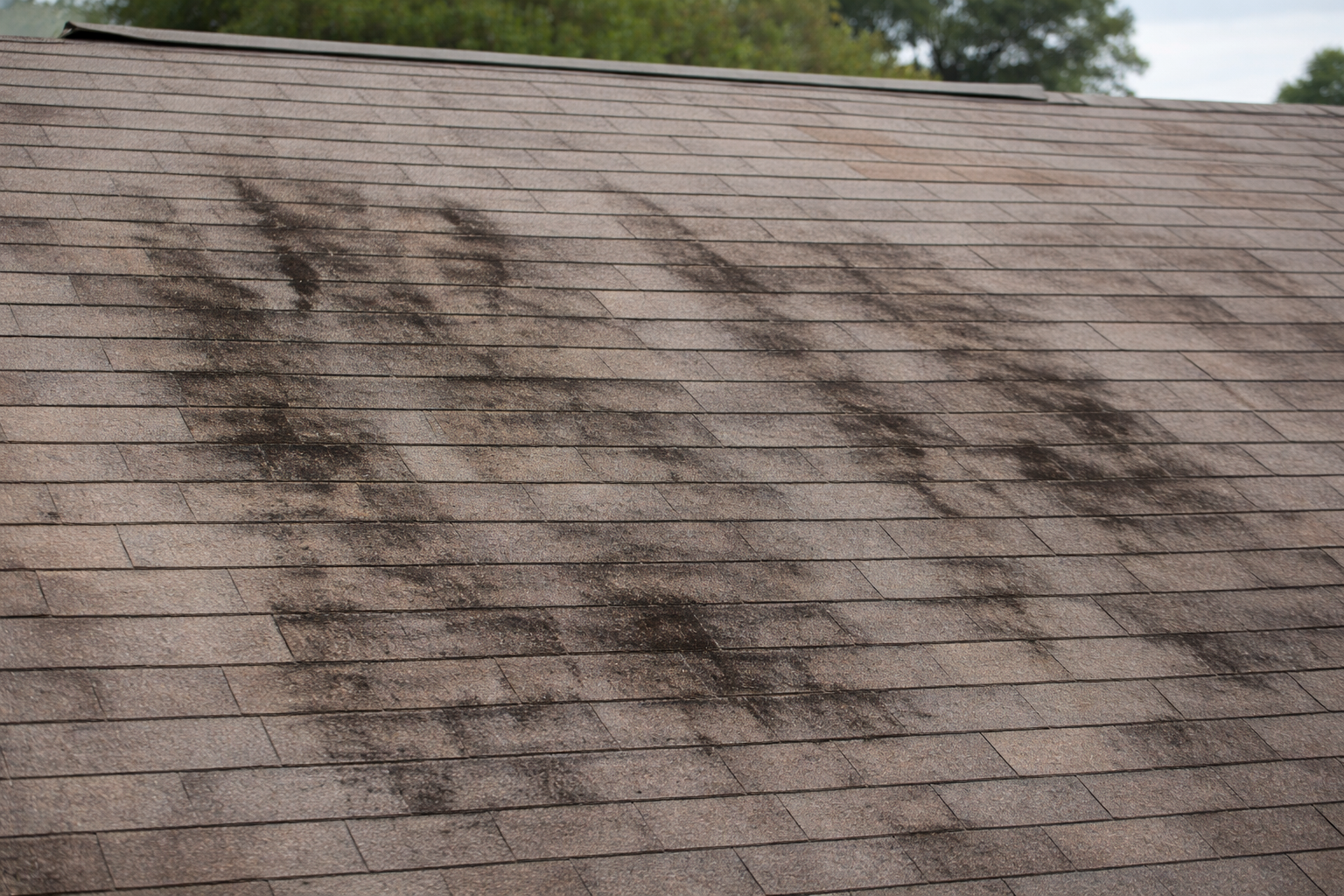
Rejuvenation stops being a serious option when your roof has moved from “dry and aging” to “failing,” which is one of the clearest signs your roof needs rejuvenation, or a sign you’ve already missed that window. If you see widespread granule loss with fiberglass showing or repeated leaks at valleys, chimneys, and pipe boots, you’re past what a spray can realistically change.
A good rule of thumb is condition, not hope: if the roof is around 20 years old or you’ve got more than roughly 10–20% of shingles damaged, expect reputable pros to decline treatment and steer you to replacement (industry analysis). If it “looks mostly fine from the yard,” that mindset can turn into a slow drip of repair costs once hidden weak points start failing.
Granule loss and brittleness are some of the clearest field signs that a roof is aging past the point where a spray treatment can buy meaningful time. Read more in our article: Shingles Too Far Gone
Wilmington Coastal Factors That Shorten Timelines

Even if the national “3–5 years per treatment” and “15–30 years for replacement” numbers make sense on paper, Wilmington’s coastal mix can shrink the real-world window. Strong UV and heat age shingles faster, and salt air accelerates corrosion at flashings and fasteners.
Algae growth and chronic moisture (often made worse by weak attic ventilation) can keep shingles damp and reduce the margin you thought you had. If you’re comparing options here as part of Wilmington NC coastal roof maintenance, don’t just ask “how many years.” Nextdoor neighborhood recommendations aren’t a scope of work, so ask what the contractor is doing about ventilation and metal details that actually fail first.
Choosing the Best-Value Path This Year
You can spend the next storm season wondering whether today’s choice was a smart bridge or a gamble. The best value is the option that matches your real risk tolerance and timeline, not the one that sounds cheapest this week.
If your roof is still a credible candidate (intact shingles and limited damage) and you mainly need to buy time with minimal disruption, rejuvenation usually makes sense when you want a predictable 3–5-year bridge: selling soon or timing a remodel. But if a leak would be a financial or stress disaster, “just getting a few more years” can become the most expensive choice.
Decide based on your real deadline in the roof rejuvenation vs roof replacement decision: Do you need this roof to be low-risk for the next storm season, or just good enough until a planned replacement date? If certainty is the goal, choose the option that reduces downside, even if the upfront cost is higher. If it’s the former, replacement often wins on certainty; if it’s the latter, rejuvenation can be a rational stopgap.
Roof not getting any younger? Contact us or call 703-673-6301 to find out where you stand.