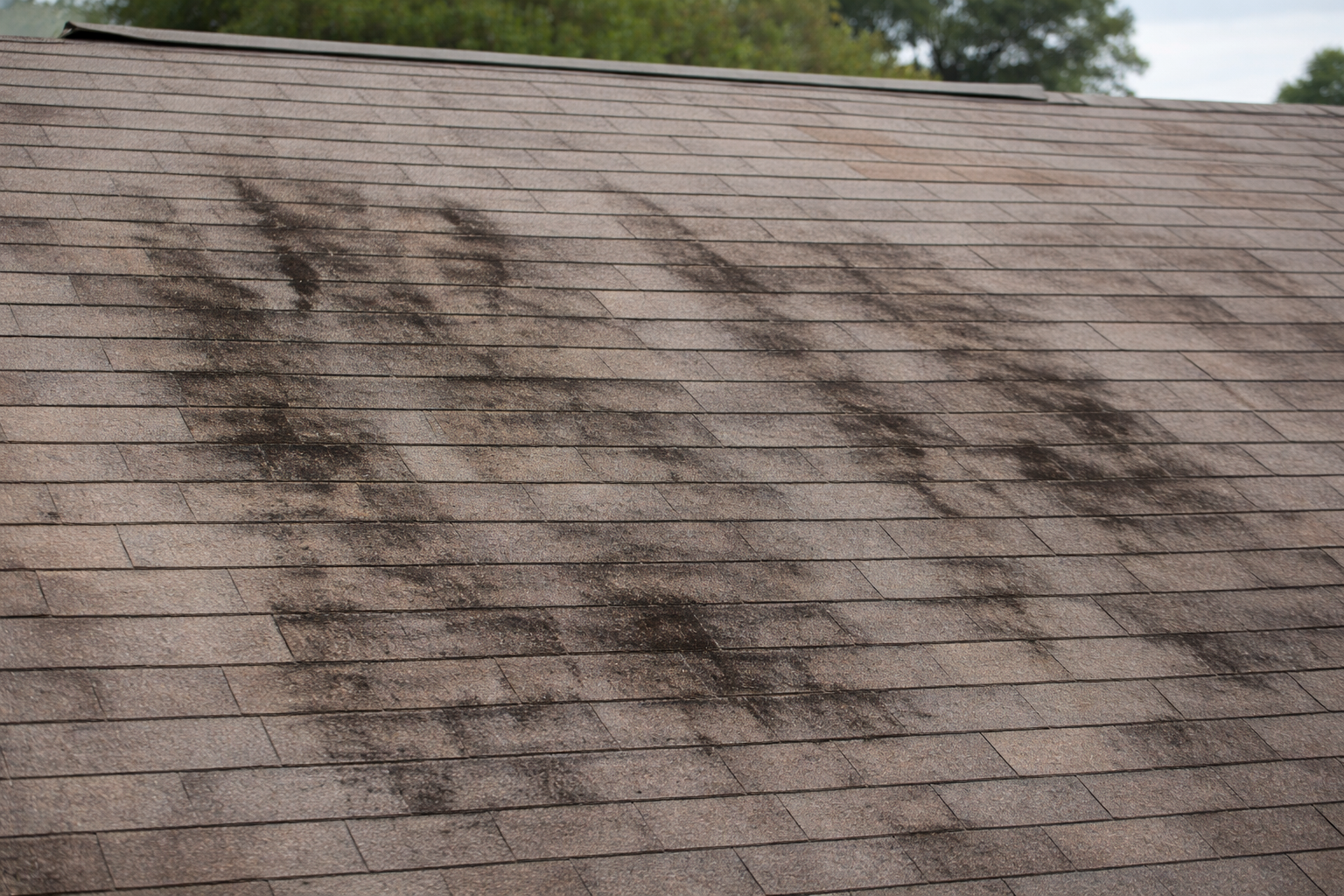
If you rejuvenate your roof now, you might still need a full replacement soon. Your odds depend less on the treatment and more on your roof system’s condition.
In coastal North Carolina, that distinction matters because wind-driven rain and salt air punish small weaknesses fast. Most rejuvenation warranties cover limited shingle performance, typically “serviceability” or flexibility for about five years, rather than a promise of no leaks or no re-roof. So the real question is whether you’re dealing with mostly dry, brittle shingles or whether you’ve already got replacement drivers out in the open, like soft decking or failing flashing. This guide helps you screen for those risks and decide whether rejuvenation buys meaningful runway or just increases your chances of paying twice.
If I rejuvenate now, what are the chances I’ll still need a full replacement soon?

You pay for a treatment, feel like you made the responsible call, and then the first real wind-driven rain finds the one weak flashing detail the warranty didn’t promise to cover.
A rejuvenation warranty rarely guarantees you can avoid a near-term replacement. Most warranties are written around keeping treated shingles “serviceable” or improving a specific shingle property like flexibility for about five years, not guaranteeing a leak-free roof.
That detail matters because the quickest path to “replacement anyway” often isn’t that the treatment failed. It’s that you tried to buy yourself some time on a roof system that was already a house with termite-eaten studs, like deteriorated flashing or soft decking. If you’re buying rejuvenation as a replacement substitute, you’re solving the wrong problem.
The Real Reasons Roofs Fail Soon Anyway
A homeowner treats an aging roof, then spends the next year chasing ceiling stains that keep moving from room to room because the real failure point was never the shingles.
Even if rejuvenation improves shingle flexibility, you can still end up replacing soon because the roof fails as a system, not as a chemistry experiment. In coastal North Carolina, wind-driven rain can exploit tiny gaps fast. Once water gets in, the question is whether you’re seeing a contained issue or early-stage rot that keeps spreading.
The usual near-term replacement drivers are soft or rotted decking from chronic moisture and failing flashing at chimneys and step walls.
Wind-driven rain usually shows up first at chimneys, vents, and step flashing, not in the middle of a shingle field. Read more in our article: Roof Leaks Chimneys Vents
Roof rejuvenation eligibility checklist: a quick “replacement-soon” risk screen
You can save yourself thousands by catching the one red flag that turns “time-buying” into “paying twice” before anyone sprays a drop of product.
If you’re trying to avoid paying for rejuvenation and then replacing within 1–3 years anyway, screen for system problems and vet any Wilmington NC roof rejuvenation contractor before you hire. For example, a roof can look tired from sun and salt air yet stay dry, while a roof that looks “fine” from the yard can hide wet decking around a chimney or a bathroom vent.
| Screen item | What you see / learn | Replacement-soon risk | Why it matters |
|---|---|---|---|
| Leaks | More than one leak source (different rooms or recurring after repairs) | Higher | Often signals widespread flashing/penetration issues, not one isolated fix |
| Decking feel | Sagging, soft spots, or bouncy decking (even in one area) | Higher | Rejuvenation can’t restore wood strength |
| Attic moisture evidence | Active moisture (stained sheathing, wet insulation, moldy odor) or rusted nail tips | Higher | Indicates the roof assembly has been getting wet |
| If you need runway | You need more than ~5–6 years of reliable performance | Decision trigger | How long does roof rejuvenation last? Most warranties are limited to about five years of “serviceability,” not an assurance you won’t need to re-roof |
Coastal North Carolina Factors That Change The Odds

Insurance can push the timeline even when the roof is still holding: in North Carolina’s windstorm and hail program, asphalt shingle roof-surfacing loss percentages step down by age, for example 85% at 5 years and 35% at 25.
In Wilmington-area beach communities, the odds you’ll “replace soon anyway” shift because your roof ages under harsher inputs. In practice, you’re trying to buy time while salt and airborne grit wear down the roof season after season. Salt air and strong UV can dry shingles and wear surfaces faster, while long cooling seasons plus humid air make attic conditions less forgiving if ventilation and insulation aren’t right. For instance, an older shingle that responds well to treatment can still sit over a roof deck that’s been cycling through damp mornings and hot afternoons for years, and wood and fasteners don’t get a second life from rejuvenation.
Storm history also changes the math: wind-driven rain and repeated gust events can create scattered vulnerabilities around edges and penetrations that show up as “mystery leaks” later. Then there’s a non-physical trigger you can’t ignore: coastal underwriting often gets more age-sensitive, and windstorm/hail policies can reduce roof-surfacing payouts as the roof gets older, pushing you toward replacement even if the roof remains functional. If you want a real local read on your chances, ask your roofer to call out storm-related edge/penetration wear and ask your agent how roof age affects eligibility and loss settlement for your address.
Salt air and humidity accelerate granule loss and can make shingles dry out faster in beach-adjacent neighborhoods. Read more in our article: Salt Air Humidity Shingles
Roof rejuvenation vs replacement: decide now or replace now
If your real need is about five years of runway, rejuvenation only makes sense when your roof passes the system screen you just ran: no active leaks, solid decking, and problems that look like dry, brittle shingles more than failing flashing or wet wood. In that case, treat rejuvenation like a time-buying move and price it against what five years of reduced stress is worth to you (for instance, timing a replacement around a planned remodel or a known job change).
If you need reliable performance beyond that window, replacement is the cleaner decision. Anyone telling you otherwise is selling hope, so follow the “3 quotes” rule before you commit. The trap is thinking “rejuvenation is cheaper” when what you’re actually buying is a bet that nothing else in the roof system becomes the limiting factor. Before you commit, ask for two numbers in writing from your roofer: (1) what they’d replace/repair first if leaks appear in the next 12–24 months, and (2) the roof replacement cost Wilmington NC today so you can judge the real “money twice” downside.
A basic inspection that includes attic moisture checks and flashing review is the fastest way to find the “replace soon anyway” red flags before spending on treatment. Read more in our article: Typical Roof Inspection
Roof not getting any younger? Contact us or call 703-673-6301 to find out where you stand.