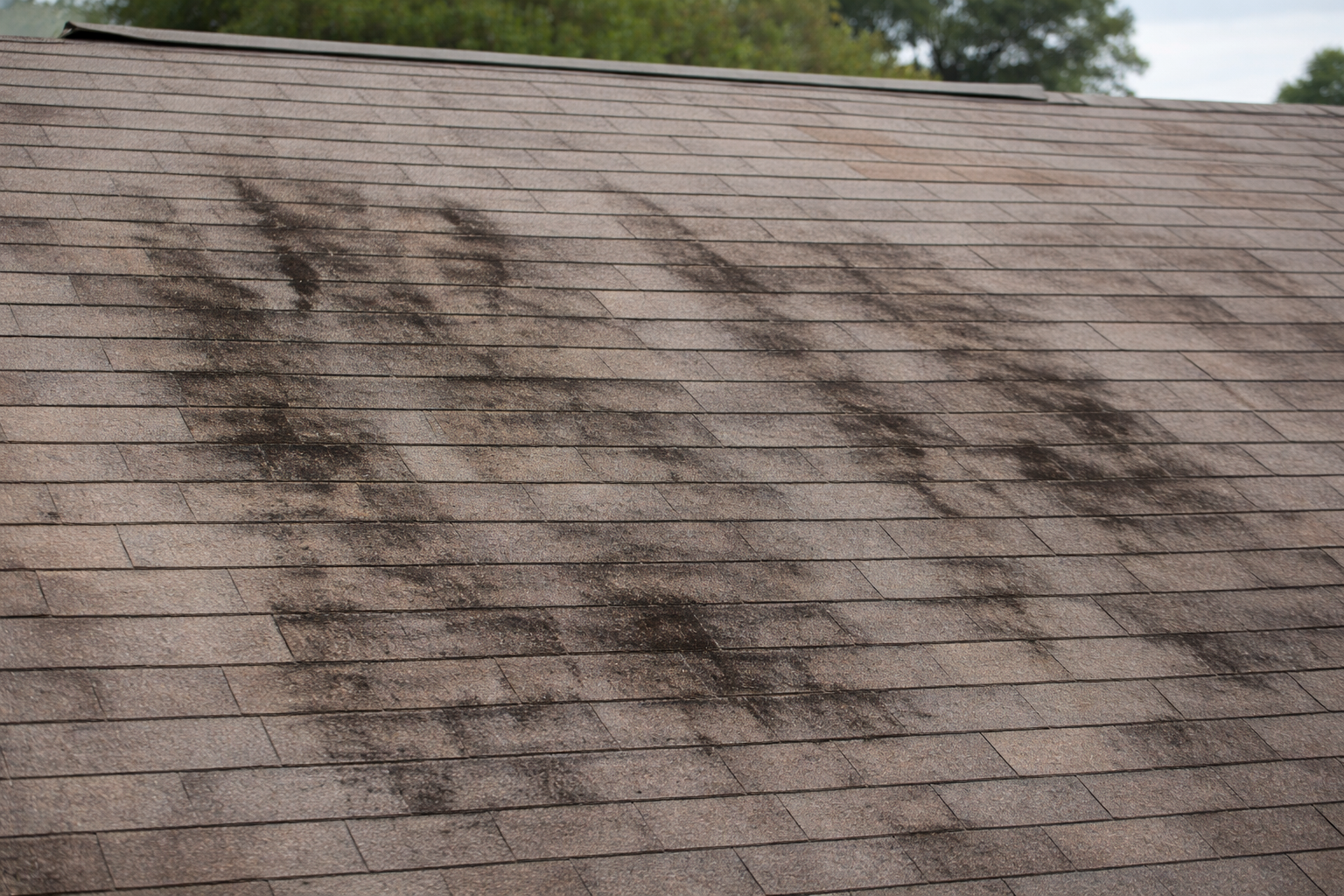
Is repairing your roof in one day more eco-friendly than replacing the whole roof? Usually, yes, if your roof is still structurally sound. If it’s failing as a system, replacement can create less total waste.
This decision is hard because you’re trying to do the responsible thing. You don’t want to get pushed into a tear-off you don’t need, especially after one leak or a flashing problem. In the sections below, you’ll see why avoiding tear-off is often the biggest environmental win, when “just repair it” backfires by letting moisture damage spread, and how to use a simple checklist to tell the difference on a coastal North Carolina asphalt shingle roof.
Why One-Day Repair Can Be Greener
The U.S. generates on the order of ~11 million tons of asphalt shingle waste each year, and most of it comes from tear-offs and roof replacement. Keeping a sound roof out of that pipeline is where the environmental math often swings.
If your roof is still structurally sound, a one-day repair or rejuvenation can be greener mainly because you avoid the tear-off, key to the roof repair vs replacement environmental impact. It is a quick gut check. Most shingle waste comes from residential tear-offs, and nationally it adds up to millions of tons each year. When you keep the existing shingles on the house, you avoid the hauling and the disposal (or uncertain recycling), a direct reduction in roofing waste; whether shingles actually get recycled depends on local processors and end markets (recycling availability varies by area). You keep the roof’s good layers in play, like leaving solid decking in place instead of ripping it out.
Another factor is upstream: a full replacement doesn’t just “add a new roof,” it also triggers new shingle manufacturing and transport, plus extra jobsite material handling that increases the roof replacement carbon footprint, part of a much larger construction and demolition debris stream (EPA C&D debris overview). In a coastal North Carolina neighborhood, that can mean multiple truck trips. You may end up with pallets of new shingles and a disturbed roof system even when the original issue was just a small leak at a flashing detail. If you’ve been thinking the greener choice is always “newer,” this is where that logic falls apart: the biggest environmental win often comes from keeping a roof that can still do its job.
Roof rejuvenation can prevent a large amount of tear-off debris from ever reaching a landfill when shingles are still structurally sound. Read more in our article: Roof Rejuvenation Waste Prevented
When Replacement Is the Greener Choice Anyway
A one-day repair stops being the greener option when it only delays the inevitable on a roof that’s already failing as a system. The “extra” waste shows up later as rotten decking and multiple rounds of materials and truck trips that increase the roof repair carbon footprint.
Replacement is usually the lower-waste path if you see any of these: water staining or damp sheathing in the attic after rain, or leaks and blow-offs that keep returning after prior fixes, especially after coastal wind events. In those situations, ask for documentation that confirms what’s happening under the shingles (photos of decking details) before weighing roof restoration vs replacement. A surface patch that looks tidy for a month is not good enough, and Angie’s List (Angi) reviews do not change that.
A small, “simple” repair can turn into a much bigger problem if hidden moisture keeps spreading under the shingles and into the decking. Read more in our article: Small Roof Repair Risks
A Decision Checklist for Your Roof
In coastal North Carolina, one small ceiling stain can lead to two same-day quotes that point in opposite directions: a quick fix or a full tear-off. A few specific checks can keep that decision grounded in what’s actually happening under the shingles.
| If this is true… | Greener move is usually… |
|---|---|
| No active leak, and no new attic staining after rain | One-day repair/rejuvenation |
| Decking feels firm (no soft spots) and you don’t see sagging | One-day repair/rejuvenation |
| Problem is isolated (one boot/flashing detail or a small wind-lift area), not recurring every storm season | One-day repair/rejuvenation. You get ahead of the problem. |
| Leaks keep returning | Replacement. Water does not negotiate. |
| Shingles crack when gently lifted, or you see widespread granule loss/exposed fiberglass | Replacement, because that surface is like sandpaper that has lost its grit. |
| Repeated blow-offs in coastal winds | Replacement |
| For either path: you can get photos from the attic and of the specific decking condition, plus a clear disposal/recycling plan if doing tear-off | Confirm before approving work |
Knowing whether you’re seeing normal wear or true storm/age damage is what keeps the repair-vs-replace decision from turning into an expensive guess. Read more in our article: Normal Shingle Wear Vs Damage
Roof not getting any younger? Contact us or call 703-673-6301 to find out where you stand.