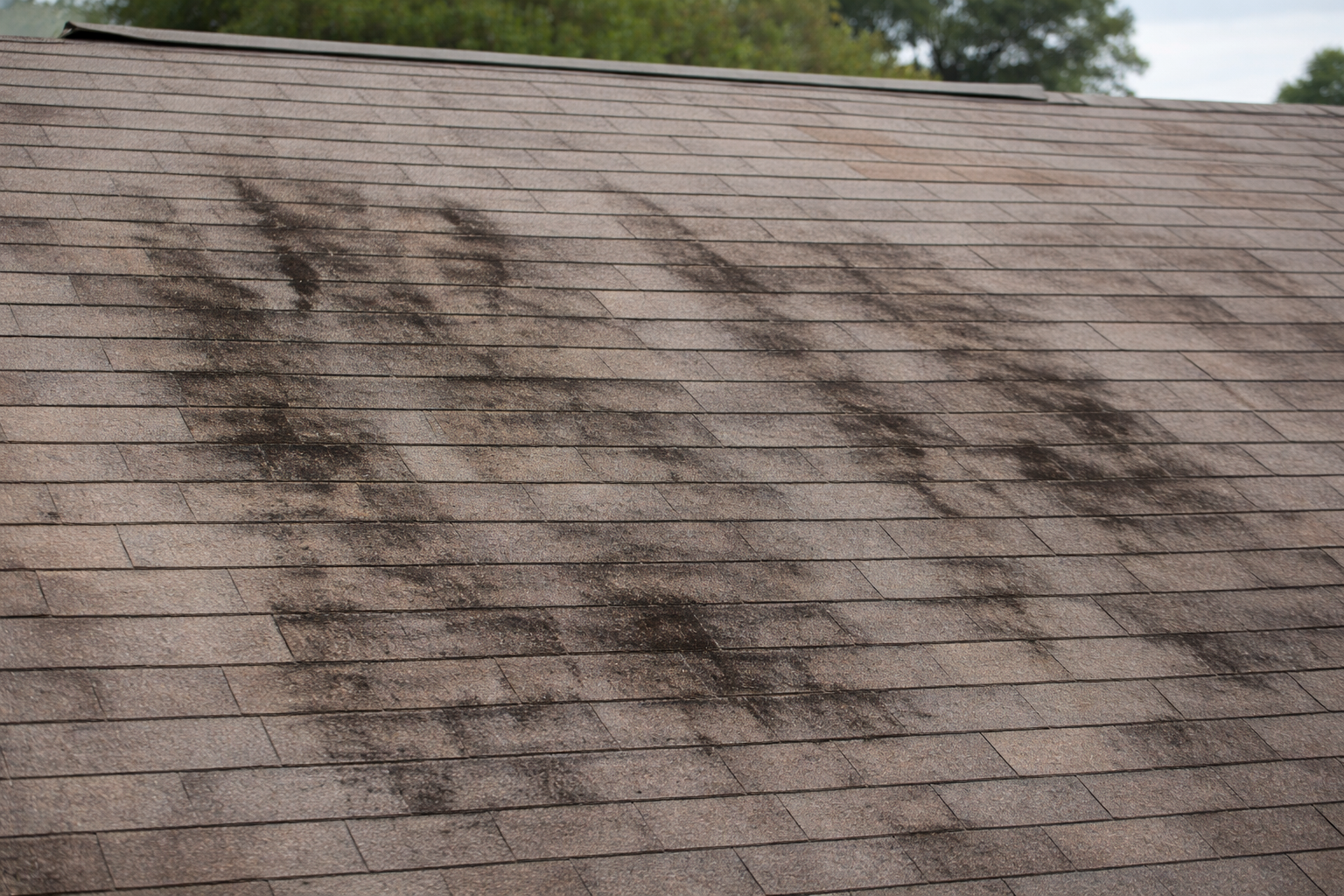
If your roof looks “fine” from the yard and you’re not dealing with active leaks, it’s hard to accept a contractor or inspector telling you it’s near the end. Then you see replacement quotes and start wondering if a lower-cost rejuvenation treatment is a smart way to buy time or just a dressed-up delay that ends with you paying twice.
There’s a straightforward way to decide. Treat roof rejuvenation as a narrow-fit maintenance option, not a rescue plan, or you’re just trying to “kick the can down the road” with a fresh coat on weathered shingles. The key is your roof’s current condition and what’s failing: aging shingles in an otherwise intact system can be candidates, while balding shingles or recurring flashing issues usually mean replacement. And in Wilmington and the surrounding coastal areas, wind-driven rain, salt air, and algae can hide or accelerate problems, so “no leaks yet” doesn’t automatically mean you’re in the safe zone.
When Roof Rejuvenation Is a Real Option

The best fit is a “boring” roof that’s stable today but still worth preserving for a few more years. If the system is intact and the shingles are simply aging, rejuvenation can be a reasonable bridge in a roof rejuvenation vs replacement decision instead of a panic purchase.
Rejuvenation only makes sense in a tight window: aging, slightly brittle asphalt shingles on an otherwise intact system (nrcia.org). As an example, a 10–15-year-old shingle roof in Wilmington that’s weathered sun and salt air but hasn’t started shedding chunks of granules or popping tabs can be a candidate.
From the ground, you should mostly see shingles lying flat. You should see no missing shingles and no active leaks or recurring water stains. If you’re thinking “it leaks a little but the spray might fix it,” you are already outside the window, and that is not a judgment call like on This Old House, it is a bad bet.
In coastal North Carolina, knowing the difference between normal wear and true shingle damage is what keeps a “maybe” roof from turning into an expensive surprise. Read more in our article: Normal Shingle Wear Vs Damage
Red Flags That Mean Replacement

Use rejuvenation on a failing roof and you might only buy a few weeks of false confidence. At the other end, water exploits the weak point and you end up replacing the roof under pressure after spending on the treatment.
Rejuvenation can’t rebuild what’s already gone. It cannot glue a failing roof back together. If your shingles are balding (large granule loss) or tabs won’t seal down, you’re past “conditioning” and into material failure.
Also treat any ongoing water entry as a hard stop: repeated interior stains or chronic flashing leaks around chimneys. In those cases, the cheaper option often turns into paying twice, so do “a gut check” and shift your time to confirming the scope (including any decking replacement) and comparing full replacement bids, not betting on a bandage over rot.
If you have repeated staining or leaks around chimneys and vents, the fix is usually detail work at the penetrations, not a coating over the shingles. Read more in our article: Roof Leaks Chimneys Vents
What Rejuvenation Actually Buys You
Cost is usually the reason this is tempting: homeowner-facing comparisons of roof rejuvenation cost often put rejuvenation around $2,000–$6,000 versus $8,000–$25,000 for a full replacement. That price difference only matters if you’re buying time on a roof that’s still structurally sound.
Think of a reputable treatment as a time extension, not a reset to “new.” You’re essentially paying a few thousand dollars to try to add about five years to a roof that’s still sound, and I think it’s only worth it when you can validate the claims with documentation, not gut feel. That’s a meaningful difference if you’re trying to bridge to a planned sale, line up a bigger renovation, or spread out big-ticket maintenance.
What it can improve is shingle flexibility and water-shedding performance. What it won’t do is replace missing granules or reverse visible wear like exposed fiberglass. If your plan depends on a spray undoing bald spots, failed seal tabs, or bad flashing, you’re not extending life, you’re delaying the decision and raising the odds you pay twice.
Coastal NC Factors That Change the Call

In Wilmington and the nearby beach communities, eligibility isn’t just about shingle age, it’s about what coastal stress has done to the whole system. Wind-driven rain finds weak flashing and nail lines, salt air roof damage accelerates corrosion on exposed metal, and algae can hide cracking and granule loss until it’s advanced.
Treat “no leaks yet” as a data point, not the rule. Once details start to slip, coastal roofs can deteriorate quickly, so prioritize flashing that’s starting to loosen. Before you bank on rejuvenation, look for rusted pipe boots or flashing and attic signs like damp insulation near soffits, which point to ventilation or condensation issues that a spray won’t solve.
A thorough inspection should document ventilation, flashing, shingle condition, and any moisture signals before you choose between repair, treatment, or replacement. Read more in our article: Typical Roof Inspection
A Simple Decision Path (and What to Ask in an Inspection)
A homeowner in Wilmington gets three opinions and hears three different pitches: “spray it,” “patch it,” “tear it off.” The only way to avoid paying for someone else’s favorite option is to force the decision to follow evidence and clear thresholds.
If your roof is dry and lying mostly flat, start with a roof inspection Wilmington NC that treats this like a three-way choice, not a yes/no on “the spray,” and I think any contractor who resists that framing isn’t worth hiring, even if they look shiny on HomeAdvisor and Angi. First, fix specific defects (a pipe boot, a popped shingle, a small flashing issue) if the rest of the field shingles still have life. Second, only consider rejuvenation when the inspector can document that the shingles are aging but intact, since the point is to buy time rather than erase visible failure. Third, choose replacement once shingles or key details are failing across the roof, since a cheap bid can become the pricey route if it leads to paying twice.
| Question to ask | What a solid answer includes | Red flags |
|---|---|---|
| What exact findings make this roof a candidate (or not), and where are the photos showing bald spots, exposed fiberglass, unsealed tabs, or soft decking? | Specific findings tied to your roof, plus photos of the areas cited. | Vague reassurance, no photos, or dismissing visible issues. |
| What repairs are included before any treatment (pipe boots, flashing touch-ups, nail pops), and what’s explicitly excluded? | A clear included/excluded list for pre-treatment repairs. | “We’ll handle it” with no scope, or exclusions that leave known defects unaddressed. |
| What does the warranty actually cover, for how long, and what voids it (existing leaks, ventilation issues, prior coatings, algae cleaning methods)? | Written coverage terms, duration, and explicit void conditions. | Warranty language that’s hard to pin down or full of broad outs. |
| How do you measure “improvement” on a roof like mine (what baseline, what test or documentation), and what outcome would mean I should replace instead? | Baseline documentation and a clear threshold for switching to replacement. | No baseline, no documentation, or no criteria for when rejuvenation isn’t working. |