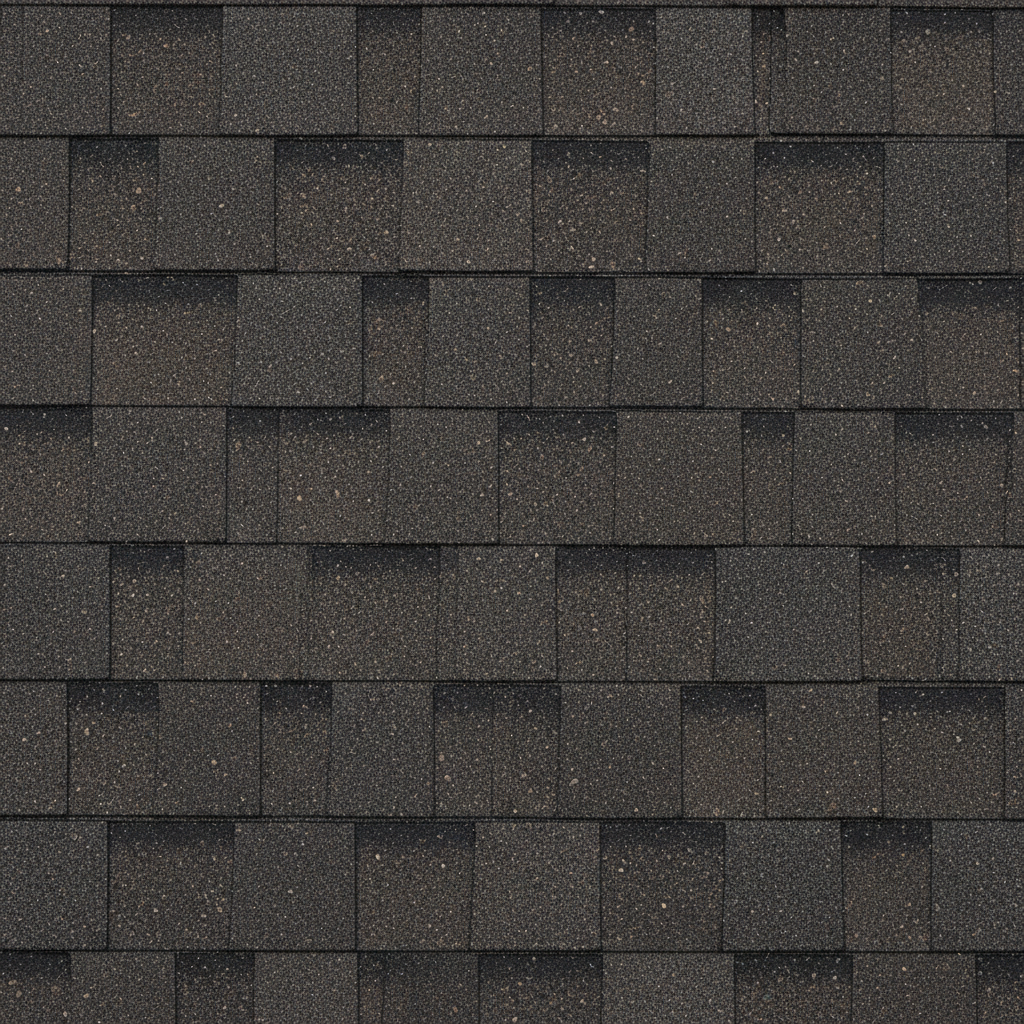
You’ll know it’s just dirty when the discoloration follows moisture patterns, while the shingles still look intact. You’ll know it’s wearing out when you see physical breakdown like granule loss and exposed mat. The difference is about shingle condition, not roof color.
In coastal North Carolina, algae streaks can make a roof look “done” years before it is, which can steer you into the wrong spend. In the sections below, you’ll learn how to read stain patterns versus wear patterns and how to inspect safely without roof-walking. You’ll also see why pressure washing often turns a cosmetic problem into real damage.
| What you notice | Most likely | What to do next |
|---|---|---|
| Dark streaks that run down the slope; heaviest on shaded/slow-to-dry areas (often lower half) | Surface staining (algae/grime), not imminent failure | Treat as cleaning/maintenance; avoid pressure washing; consider soft-wash/algae treatment |
| Discoloration follows moisture zones (shaded planes, behind chimney, below skylight, lower half of long slope) | Moisture-driven staining pattern | Confirm with ground/ladder-edge/attic checks before spending on repairs/replacement |
| Bald/shiny patches; “sandpaper” texture looks flat/smooth | Shingle surface wear (granule loss) | Inspect gutters for heavy granules; price repair/rejuvenation vs replacement based on extent/age |
| Widespread curling/cracking, lifted corners, exposed mat | Functional deterioration | Move beyond cosmetic fixes; plan for repair or replacement depending on scope; avoid washing |
| Musty attic corner after storms, recurring ceiling stains, marks around vent pipes/valleys | Leak clues (functional issue) | Treat as repair/replace decision; confirm after hard rain and document evidence |
Dirty roof vs damaged roof: the fast call

If you see dark streaks that run down the slope and look heaviest on shaded, slow-to-dry areas (often the lower half of the roof), do your due diligence and treat it like checking a used truck’s tread, since it’s usually black streaks on roof algae or surface grime, not imminent failure. But if you can spot bald patches where the shingle looks smooth or shiny, see widespread curling or cracking along the tabs, or notice a “sandpaper” look has turned flat, treat it as wear.
In coastal climates, black streaks are often algae-related and can look worse than the roof’s actual condition. Read more in our article: Roof Algae Black Streaks
From the ground, use three quick checks. You look for exposed/bald areas, scan for lifted/cupped edges, and peek in gutters/downspouts for piles of granules. Don’t default to pressure washing just because it looks dirty; that can strip granules and turn a cosmetic problem into a real one (see stains on asphalt roofing shingles).
Read The Stain Pattern, Not The Color

A jet-black drone photo can still hide a roof that’s nowhere near needing a big-ticket fix. The trick is noticing where the staining concentrates, not how dramatic it looks from the street, most roof discoloration causes are pattern-driven.
In coastal North Carolina, color-only judgments can send you chasing the wrong fix, because humidity-driven algae and grime follow moisture instead of showing up at random (see algae staining on shingled roof surfaces). They tend to track moisture. If the discoloration shows up as long, fairly uniform streaks that start near the ridge and get heavier as they run down toward the eaves, especially on shaded slopes or sections that stay damp longer after a rain, that’s a classic surface-staining pattern. The dark color can look dramatic in drone photos, but it often says more about drying time than roof life.
To illustrate this, compare two nearby areas on the same roof: a north-facing plane under tree shade versus a sunnier plane that bakes dry by mid-morning. If the shaded side looks streaky while the sunny side looks mostly normal, you’re usually seeing biological staining, not the whole roof “wearing out at once.” Another tell is when staining concentrates below roof features that slow runoff or keep things damp, like behind a chimney or below a skylight.
Wear-related problems don’t usually respect those moisture bands. When shingles deteriorate, you tend to see uneven blotching tied to shingle texture changes, not just darker color, such as patchy areas that look washed-out, oddly smooth, or inconsistently mottled across the field. If you catch yourself thinking “it’s black, so it must be failing,” stop and ask a better question: does the discoloration follow the roof’s wettest zones, or does it track places where the shingle surface itself looks altered?
Wear Signals That Trump Appearance
A homeowner books a cleaning because the roof looks ugly, then the first real clue shows up later: a growing bald patch and a damp spot in the attic after the next hard rain. The costly part is not the stain, it is the surface that stopped doing its job.
A roof usually fails when its protective surface breaks down, not because it looks dark from the street, those are roof wearing out symptoms that matter. If you want the “dirty vs wearing out” answer to hold up when money’s on the line, prioritize physical wear signals that change how the shingle sheds water and handles sun.
Start with granule loss, because granules are like sunglasses for asphalt, and once you lose them you can invite faster aging. Case in point: if you clean out a downspout and find what looks like coarse black sand, that can be normal in small amounts, especially on newer roofs or right after an install. But if you’re seeing bald or shiny patches on the shingles and you’re also dumping out heavy accumulations of granules (think scoops, not a light sprinkle), you’re likely past “just dirty” and into surface breakdown.
After granules, focus on curling, cracking, and exposed mat. Those signs change how the roof sheds water. Curled edges and cracked tabs let wind-driven rain get underneath, and once the fiberglass/asphalt mat shows through, the shingle can’t self-protect anymore. If you can spot lots of lifted corners from the ground or you see a patch that looks oddly smooth compared to the surrounding “sandpaper” texture, treat that as a wear flag even if the color doesn’t look that bad.
Last, pay attention to soft-spot indicators and repeated leak clues. You can’t safely test decking firmness from the roof, but you can check consequences: a musty attic corner after storms, staining around a vent pipe, or a valley area that keeps reappearing on your ceiling. Relying on drone color alone skips the evidence that best predicts leaks.
Granules in Gutters: What “Normal” Looks Like

One practical yardstick some guides use: on a roughly 10-year roof, about 1 to 2 cups of granules in a clean-out can still be normal wear, while an older roof with bald spots and around 5+ pounds points to advanced deterioration (example reference: guide to shingle granule loss: normal vs warning sign). Numbers do not replace an inspection, but they stop the knee-jerk panic.
Asphalt shingle granules in gutters aren’t an automatic red flag. Newer asphalt shingles often shed the most right after installation, so a light sprinkle of gritty “sand” in the downspout can be normal, especially in the first few months (see granule loss on new shingles).
What matters is age plus volume plus what you see on the roof. On a ~10-year roof, a cup or two of granules in a clean-out can still be within normal wear. But if your roof is closer to ~20+ years and you’re pulling out multiple pounds of granules, and you can also spot bald or shiny patches up top, you’re not dealing with dirt; you’re watching the protective surface disappear. If you’ve been treating “any granules = failing roof,” that rule will mislead you; weigh age and volume first, or you’ll end up chasing the wrong fix at the wrong time.
Granule piles in downspouts are easier to interpret when you know what leftover granules look like after clean-outs and storms. Read more in our article: Leftover Granules Gutters
A Roof Inspection Checklist You Can Do Safely (No Roof-Walking)
Start with a simple rule: you don’t need to walk an asphalt shingle roof to tell “dirty” from “wearing out,” and stepping on it is like walking through a crime scene because it can create the very granule loss and unsealed tabs you’re trying to diagnose. Your job is to collect evidence, not to get closer at any cost.
Use this low-risk sequence.
1) From the ground (binoculars + phone zoom): check for bald/shiny patches, lifted/curling edges, and whether streaks follow the damp, shaded areas.
2) From the ladder edge only (don’t step onto the roof): look into gutters for heavy granule piles and scan the eaves/rakes for cracked or missing tabs.
3) From the attic after a hard rain: look for roof leak signs in attic like dark staining on decking, rusty nail tips, damp insulation, or marks around vent pipes and valleys. If the attic stays clean and dry, the roof can still be doing its main job.
A professional inspection can confirm whether attic staining and roof-surface clues point to a repairable issue or end-of-life wear. Read more in our article: Roof Inspection Worth It
Choosing the next step: clean, rejuvenate, repair, or replace

When you match the remedy to the evidence, you can spend a few hundred on the right maintenance instead of locking yourself into a five-figure replacement early. The decision gets much easier once you separate cosmetic streaks from protective-surface failure.
If the discoloration follows moisture patterns and you don’t see bald/shiny patches or attic leak clues, treat it as a cleaning/maintenance problem, not a replacement problem, even with salt air roof damage coastal exposure. Choose a reputable soft-wash approach (or an algae treatment plan), since pressure washing is a bad default and the “make it look new fast” pitch can remove the roof’s UV armor.
If you’ve got localized functional issues (a small leak at a vent boot, a trouble valley, a few damaged tabs), you’re usually in repair territory. If the roof is mid-life but looks dried out and you’re not seeing extensive bald areas, rejuvenation can be worth pricing as a life-extension play. But if you can pair heavy granule loss with visible bald/exposed mat, widespread distortion, or recurring leak evidence, you’re past cosmetic fixes and should plan for replacement, that’s the real roof rejuvenation vs replacement line, because you’ll keep paying for surface-level work while the risk curve keeps climbing.
FAQ
Is Pressure Washing an Asphalt Shingle Roof Ever a Good Idea?
Usually, no. High pressure can strip granules and break the shingle seal. You can end up with a cleaner-looking roof that’s objectively more vulnerable to sun and wind-driven rain.
How Fast Will Algae Staining Come Back Near Wilmington?
If your roof sits in shade, stays damp, or you’re near trees and salty humidity, staining can reappear within a season or two even after a proper treatment. You’ll get longer “clean time” on sunny, fast-drying slopes and shorter on north-facing or shaded planes.
Will Insurance Pay to Replace a Roof That “Just Looks Dirty”?
Typically not, because algae and discoloration get treated as cosmetic rather than functional damage (see insurance coverage context for old roof replacement). If you’re thinking about a claim, focus on documentable storm impact, active leaks, or damaged shingles and flashing, not roof color.
When Should You Call a Pro Instead of Guessing From the Ground?
Call someone when you see bald/shiny patches and widespread curling or cracking. In those cases, you’re past “looks bad” and into conditions that can change repairability and timing.
Roof not getting any younger? Contact us or call 703-673-6301 to find out where you stand.