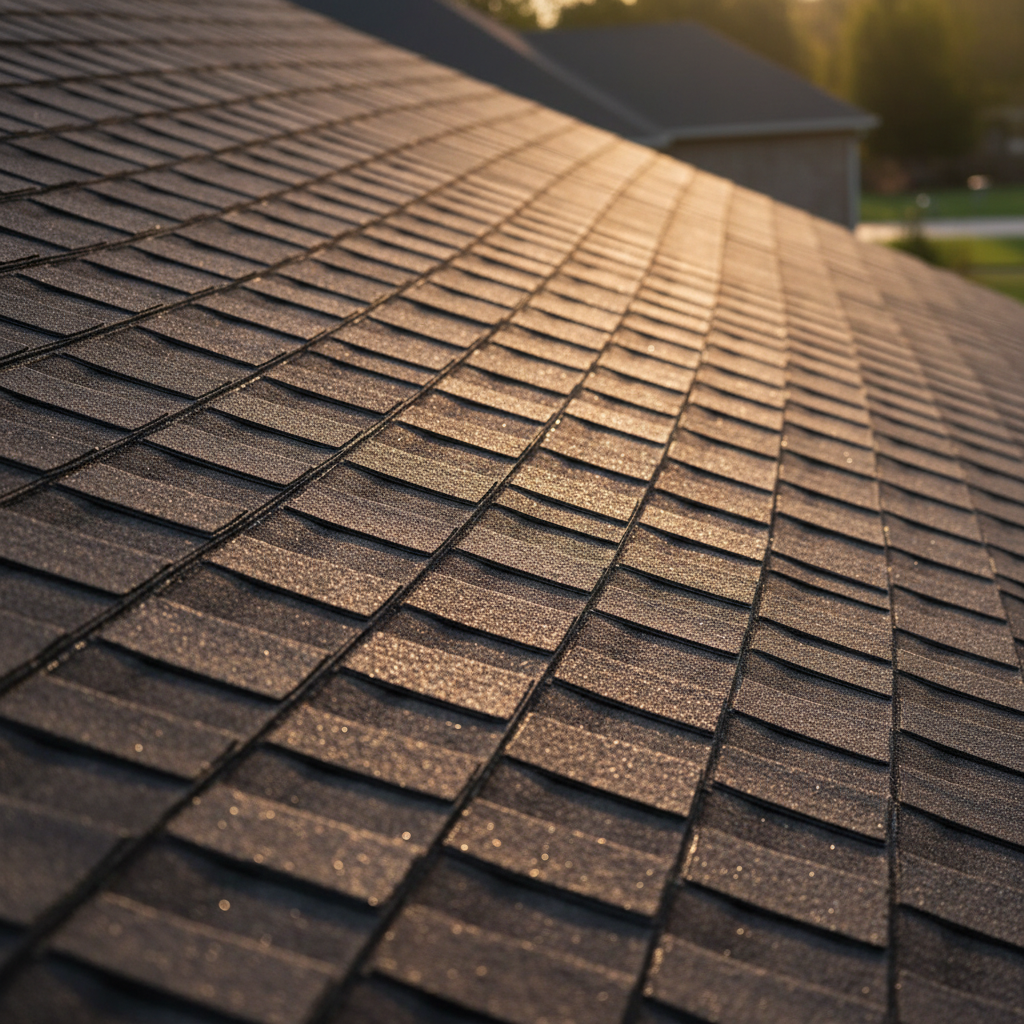
If your roof “isn’t leaking,” you can still be close to failure. In coastal North Carolina, shingles are too far gone for treatment when the roof can’t stay sealed as a system, not when you spot one ugly shingle.
This guide helps you decide without guesswork or a sales pitch. You’ll learn the difference between treatable surface aging and true system failure, why interior stains show up late, and what to look for from the ground and in the attic to choose between rejuvenation or replacement before wind-driven rain turns a manageable project into a rushed one.
How to Tell If Roof Needs Replacing vs Treatable Aging

You’re usually not deciding between “old roof” and “new roof” or whether your roof shingles are too damaged to repair. You’re deciding whether you’re looking at treatable surface aging (drying, fading, early granule loss, mild curling, algae staining) or system failure where the roof can’t stay sealed and shed water in wind-driven coastal rain. In Wilmington-area conditions, a roof can look fine from the yard but still be failing at the seams like a windshield that spider-cracks in the next squall.
If your main proof is “it’s not leaking inside,” rethink that. Interior stains show up late. As a practical split: localized, cosmetic-looking wear can be stabilized; widespread repeating problems (many tabs unsealed or recurring leaks) usually means replacement, not another round of patching or treatment.
The Fast At-Home Screening
A homeowner in Wrightsville Beach spots a little grit at a downspout and assumes it is nothing. Two quick checks later, the bigger story shows up as a pattern across the yard view and the attic.
You can get to a reliable answer without climbing a ladder, and that matters. Even This Old House makes clear you should test one thing: is your roof mostly suffering surface wear, or has it started failing as a sealed water-shedding system? In coastal North Carolina, wind-driven rain and humidity punish weak points first. The goal is to spot patterns and exposure, not chase a single ugly shingle.
Start with a “three-zone” roof inspection checklist homeowners can do: gutters/ground and attic. If you find the same kind of problem repeating across zones, you’re usually past the point where a treatment or a few repairs meaningfully reduces near-term failure risk.
-
Gutters/driveway: After a rain, look for piles of shingle granules at downspouts, granules in gutters meaning more than most people think. A few grains are normal; what matters is volume and consistency. If you’re seeing heavy buildup month after month, treat it like a sign the protective surface is shedding. As an example, some guidance frames around 30% granule loss as the zone where deterioration becomes a bigger reliability problem, not just “normal aging.”
-
From the yard (binoculars help): Look for “bald fields” where shingles look shiny/black or you can see a different underlying texture, bald spots on shingles meaning the protective surface is largely gone. If most shingles still look evenly coated (think roughly 75%+ granule coverage remaining), rejuvenation stays on the table; if bald patches are widespread, it usually doesn’t.
-
Attic (especially during/after heavy rain): Use a flashlight and check around vent pipes and roof decking for roof leak signs in attic spaces. If you see multiple damp spots, darkened sheathing, or repeated staining in different areas, treat that as system-level failure even if ceilings look perfect.
A quick ground-to-attic screening can also tell you when it’s time to bring in a pro for a safety-first evaluation. Read more in our article: Typical Roof Inspection
Granule Loss That Changes The Answer

Some roof-focused sources treat roughly 30% granule loss as a deterioration threshold that starts correlating with broader failure risk, not just normal aging.
A little grit in the gutter doesn’t mean much. What changes the call is widespread “bald” shingles: areas that look smooth or shiny because the protective granule layer is gone, especially when you see the same look across whole slopes, not just a couple shingles near a valley. As an example, some guidance treats around 30% granule loss as a point where the roof’s protective surface is compromised enough that failure risk rises across the field. Another practical heuristic: if the roof no longer looks like it has roughly 75%+ granule coverage across most fields, rejuvenation starts losing its foundation.
Don’t talk yourself into “fixing the look” by sprinkling granules into asphalt cement; that’s throwing good money after bad, like patching a rotted deck board with paint. Manufacturers note that adding loose granules isn’t a permanent repair, because it doesn’t restore the shingle’s original protective surface. If you’re seeing bald fields plus steady granule piles after normal rains, treat that as a planning signal: spend your next dollar on risk reduction and timing a replacement, not on a treatment that can’t rebuild what’s already worn away.
Persistent piles of granules at downspouts are often one of the earliest visible signs that the shingle’s protective surface is wearing away faster than normal. Read more in our article: Roof Granules Coming Off
Roof Shingles Curling vs Replacement: Cracking and Unsealing That’s Fatal
You can save thousands by not panic-replacing a roof that looks a little tired but is still sealed and shedding water. The trick is knowing which visible defects are mostly cosmetic and which ones mean the system is coming apart.
Curling or cupping by itself doesn’t automatically mean “replace now.” In this climate, a roof can start to curl as it dries out and still have enough structure for rejuvenation, especially if the tabs are still adhered and you’re not seeing repeat leaks.
What pushes you into the replacement zone is when the roof stops acting like a sealed system. Think through-mat cracking (cracks you can see running across the shingle body) or a blow-off pattern where you keep finding new losses after each wind event. To illustrate this, if you can spot multiple lifted edges from the yard and you also see dark lines or staining in the attic along the same slope, treatment won’t re-adhere hundreds of weak seals. Plan replacement before the next storm turns “a few bad shingles” into water in the deck, because Consumer Reports-level pragmatism beats wishful thinking here.
Coastal NC Multipliers: Wind, Salt, Algae

You make it through one squall feeling relieved, then the next storm finds the same weak seal and drives water a little farther in. Along the coast, small roof weaknesses compound faster than most homeowners expect.
In coastal North Carolina, the same roof condition that might be “fine for now” inland can be on the edge here. Wind-driven rain tests every weak seal, coastal roof damage salt air speeds brittleness at metal edges, and humidity plus algae keeps shingles damp longer.
So don’t kick the can down the road waiting for a dramatic failure, because that ‘clock’ is really a fuse that burns faster each storm season. If you’re already seeing moderate granule loss or some curling, treat any evidence of unsealing after breezy weather or repeat dampness in the attic as a faster clock, and lean toward replacement planning sooner rather than trying to squeeze out one more storm season.
Coastal roofs that look “okay” can still fail sooner when salt air and humidity accelerate drying and brittleness in asphalt shingles and exposed metal. Read more in our article: Salt Air Humidity Shingles
Make the Call: Roof Rejuvenation vs Replacement
If you still have mostly intact granule coverage (no widespread bald fields) and the roof is staying sealed, rejuvenation can be a rational “buy time” spend, especially around the 10-plus-year mark when shingles are drying out but not failing. If the problems are isolated (a few damaged shingles or one flashing point), you’re usually in repair territory, a roof replacement vs repair decision guide mindset.
| What you’re seeing | Likely condition | Best next step |
|---|---|---|
| Mostly even granule coverage (no widespread bald fields); tabs mostly sealed | Treatable surface aging | Rejuvenation (buy time) |
| One/few localized issues (a few damaged shingles, one flashing point) | Local defect | Targeted repair |
| Widespread bald fields or “around 30% granule loss” signals | Surface protection largely gone | Plan replacement |
| Many unsealed tabs / recurring blow-offs | System not staying sealed | Plan replacement |
| Through-mat cracking or multiple damp/stained attic spots | System failure | Replace soon |
Choose replacement when you see system failure, such as broad bald fields across slopes or multiple damp spots in the attic. Waiting for a ceiling stain is a bad strategy, and Angi-level contractor scrambling won’t save you. It turns a planned project into sheathing damage and storm-timing roulette.
Roof not getting any younger? Contact us or call 703-673-6301 to find out where you stand.When you start interviewing roofers, verify each one’s NC license first. The check takes two minutes.
That judgment call is easier with evidence, and HardShore’s free roof inspection with a written report provides it free.