You’ve gotten replacement quotes, then someone offers a lower-cost roof “rejuvenation” spray. Your shingles still look mostly fine, so you’re stuck on the real question: is this smart life-extension, or a costly delay.
In coastal North Carolina, you don’t have much room for guesswork. Wind-driven rain can turn a small weakness around flashing or valleys into wet insulation and stained ceilings quickly. In this guide, you’ll get a clear decision line based on whether your roof is still functioning as a system, what rejuvenation can and can’t do, and what evidence you should ask for before you pay to buy time—Is roof rejuvenation a good option for my roof, or do I need a full replacement?
| What you see / know | Likely meaning | What to do now |
|---|---|---|
| Active leak or recurring ceiling stains | System already failing (water is getting in) | Skip rejuvenation; get leak diagnosis + repair plan or replacement quote |
| Missing/torn/sliding shingles after wind | Wind damage; exposure risk grows fast in storms | Repairs or replacement first; don’t “spray over” damage |
| Widespread curling/lifting/brittle cracking | Shingles breaking down; higher blow-off/leak risk | Lean replacement; rejuvenation usually not a fit |
| Exposed fiberglass mat / heavy ongoing granule loss | Shingle surface is worn through | Replacement is the prudent path |
| Roof looks intact; no leaks; shingles still lie flat; roof roughly mid-life locally (often ~10–15 years coastal NC) | Candidate for maintenance to slow wear, not a “fix” | Consider rejuvenation only after documented inspection of flashing/boots/valleys + any needed repairs |
| Roof already ~15–20+ years in coastal NC even if it “looks fine” | Near local end-of-life window; small margin for error | Compare replacement vs limited “buy time” spend; decide based on inspection findings and risk tolerance |
The Only Question That Matters First: Is Your Roof Failing?

Before you compare “spray to extend life” versus “full replacement,” you need to answer a simpler question: is your roof still functioning as a system? Rejuvenation doesn’t rebuild flashing or stop an active leak. If water is already getting in or shingles are physically coming apart, you’re not choosing between equal options. You’re delaying the decision while gambling with interior damage.
In coastal North Carolina, this matters more than people expect. A roof that “only leaks a little during big storms” can turn into wet insulation quickly. With wind-driven rain, even small gaps can become entry points. And a roof can look decent from the curb while failing at the details around vents or valleys.
Use these homeowner-visible red flags as your gate. If you check one or more, treat rejuvenation as off the table until a roofer confirms the underlying issue is repaired and the roof is truly serviceable
Any active leaking or recurring ceiling stains, especially after heavy rain or a named storm
Missing, torn, or sliding shingles (even “just a few” after wind)
Widespread curling or brittle cracking you can see from the ground or on the roofline
Exposed fiberglass mat (you’ll see a fuzzy, lighter base where granules are gone)
Soft spots or sagging areas in the roof deck line (a structural warning, not a cosmetic one)
Heavy granule piles in gutters/downspouts that keep coming back after cleaning
Spend 10 minutes documenting interior stains, gutter granules, and the roofline after the next rain.
If you’re seeing stains, drips, or “only in big storms” leaking, a targeted diagnosis is usually cheaper than gambling on a coating. Read more in our article: Roof Leak Repair That evidence keeps an inspection honest and forces the conversation to start with “Is it failing?” not “What are we selling you?”
What Roof Rejuvenation Can and Can’t Do

You pay roof rejuvenation cost for a treatment, feel good for a week, and then the next hard rain finds the same weak boot or flashing detail and shows up on your ceiling anyway. That mismatch between what gets sold and what actually fails is where homeowners lose money.
Roof rejuvenation is best understood as asphalt shingle rejuvenation—conditioning for asphalt shingles, not a roof repair. The goal is to restore some flexibility to the asphalt matrix that’s dried out over time and, in turn, help reduce brittleness and slow granule loss. For example, third-party lab testing has reported meaningfully lower granule loss on treated shingles and improved cold-weather pliability. If you can’t point to Consumer Reports style metrics, the claim is just marketing—especially if you’re asking, does roof rejuvenation work?
What it can’t do is what many homeowners hope it will: it doesn’t repair the roof system. It won’t correct bad flashing at a chimney. Leaks at a vent boot will still need a real repair. If you want rejuvenation to be on the table, insist your roofer separates the conversation into two lines: (1) any repairs needed to make the roof sound, and (2) the treatment as maintenance to buy time, not as a substitute for replacement—plus exactly what roof rejuvenation warranty applies.
Coastal North Carolina Changes the Math

A Wilmington homeowner makes it through a mild summer with no leaks, then a sideways winter storm dumps water straight into a tiny gap at a vent boot. The roof didn’t suddenly get old overnight, the weather just stopped forgiving the details.
In Wilmington and nearby coastal communities, you don’t get to use national “30-year shingle” expectations as your baseline—especially when weighing roof rejuvenation Wilmington NC options. Salt air, high humidity, and repeated wind events can shorten shingle life. The decision point can arrive sooner than the roof’s appearance suggests. If your roof is already 15–20 years old here, rejuvenation usually isn’t worth it. It’s like driving into storm season on bald tires.
Along the coast, wind-driven rain is the main accelerant. When storms push water sideways, tiny weaknesses at pipe boots and valleys matter more than they would inland. To illustrate this, a roof that only shows a faint ceiling ring after a nor’easter might be telling you the system is failing at a detail, even if the field shingles still look decent from the driveway.
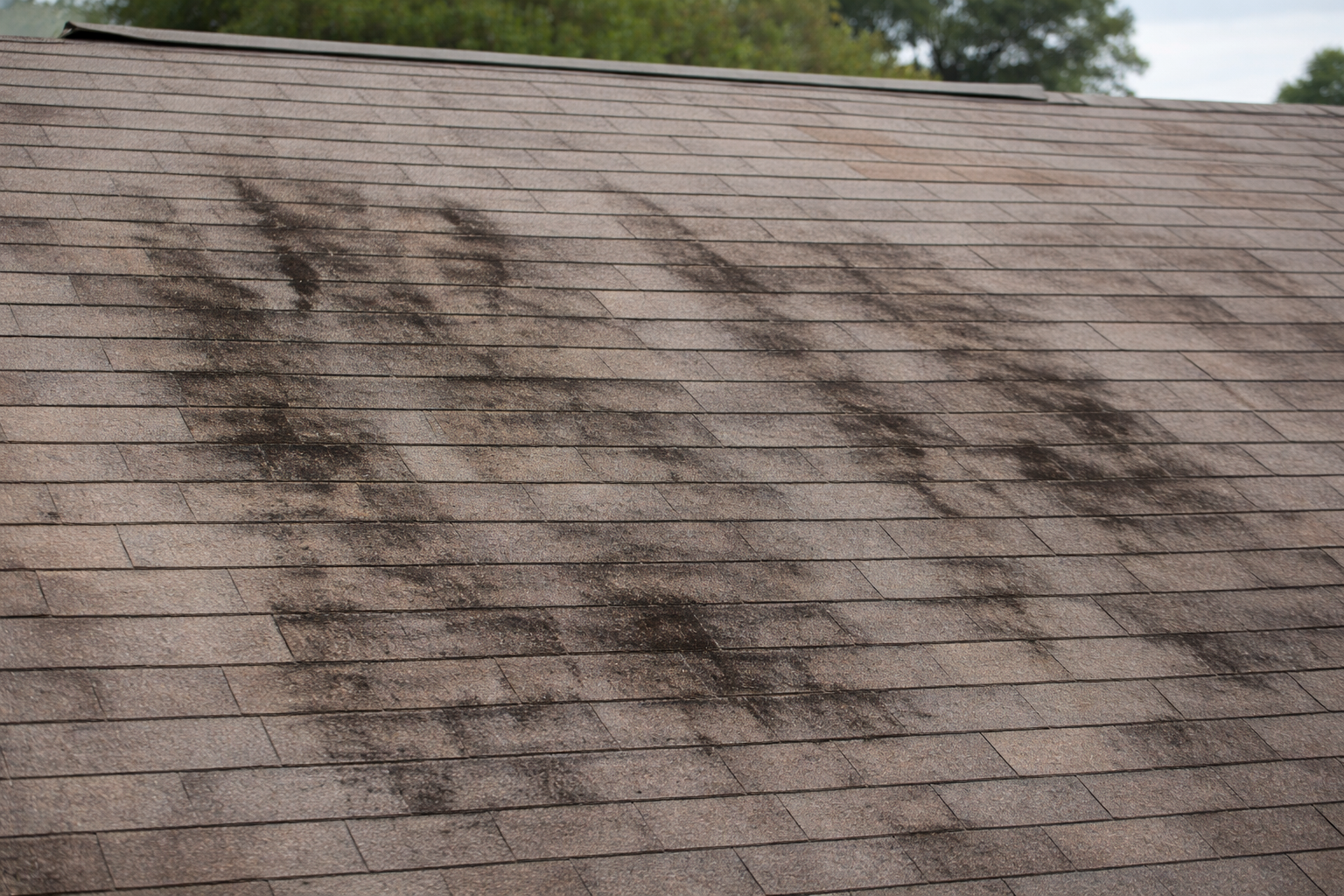
You also deal with faster surface breakdown: algae streaking and constant moisture can keep the roof wetter longer, and coastal sun bakes shingles hard between wet periods.
Coastal roofs often show premature aging from salt, humidity, and sun before they look “worn out” from the street. Read more in our article: Salt Air Humidity Shingles Practically, you should treat these as triggers to get more specific in your inspection conversation
Ask for photos and notes on penetrations (vents/boots) and valleys, not just “overall condition.”
Look for recurring algae and heavy debris hold areas (shady north slopes, behind chimneys) that stay damp and age faster.
If you’re considering rejuvenation to delay replacement, tie it to a real plan: “What has to be repaired first so a named storm doesn’t turn ‘waiting’ into interior damage?”
A homeowner’s evidence-based check for a roof inspection near me
If you’re paying to “buy time,” verify two things: your roof is still a good candidate and the treatment has measurable performance behind it. Most bad decisions happen when rejuvenation turns into a gut-feel decision. If it fails a basic Angi-level sanity check, walk away. Otherwise, you’re funding a treatment on a roof that really needed detail work or replacement. Replacement cost ranges are a big reason homeowners even consider “buying time” (see Angi-reported replacement cost ranges).
Photos taken on your roof (not stock images) of penetrations and transition points
Notes on penetrations (vents/boots) and valleys
Written list of required repairs before any treatment
Photo evidence that pipe boots aren’t split, flashing lines aren’t lifting, valleys aren’t packed with debris, and shingles still lie flat enough to shed water
Independent lab testing tied to metrics such as granule loss and cold-weather pliability is a must. It still won’t “stop leaks,” so press for specifics with one question: What will you document about my roof today that would make you recommend replacement instead of spraying anything? If they won’t answer that plainly, you’re not evaluating a roof, you’re sitting through a sales script.
A legitimate inspection should document the specific failure points (boots, flashing, valleys) that determine whether “buying time” is safe. Read more in our article: Typical Roof Inspection
Rejuvenation vs Replacement: The Decision Line

In a 2025 PRI lab study, treated shingles showed 53% less roof granule loss (0.67g vs 1.43g) and a 66.7% improvement in cold-weather pliability (5-C vs 15-C). Those kinds of deltas can matter, but only if the roof is still structurally and detail-sound.
Rejuvenation fits when the roof is system-sound and you’re maintaining shingles that are drying out, not trying to save a roof already coming apart. In coastal NC terms, that usually means a roof in the mid-life window. It still lies flat and sheds water, where buy once, cry once beats emergency pricing.
You need a full replacement when the inspection shows system failures (leaks, compromised flashing/boots/valleys, exposed mat, or soft decking), or when the roof’s age puts you so close to the coastal end-of-life range that any money spent now just delays the same project by a short stretch—at which point treating right before replacement can also create avoidable friction and roof replacement Wilmington NC becomes the practical comparison. If you’re hoping a treatment will “help with leaks,” you’re not making a roof choice. You’re taping over a crack in the dam before the next Wilmington storm.
Roof not getting any younger? Contact us at Contact us or call 910-241-1152 to find out where you stand.