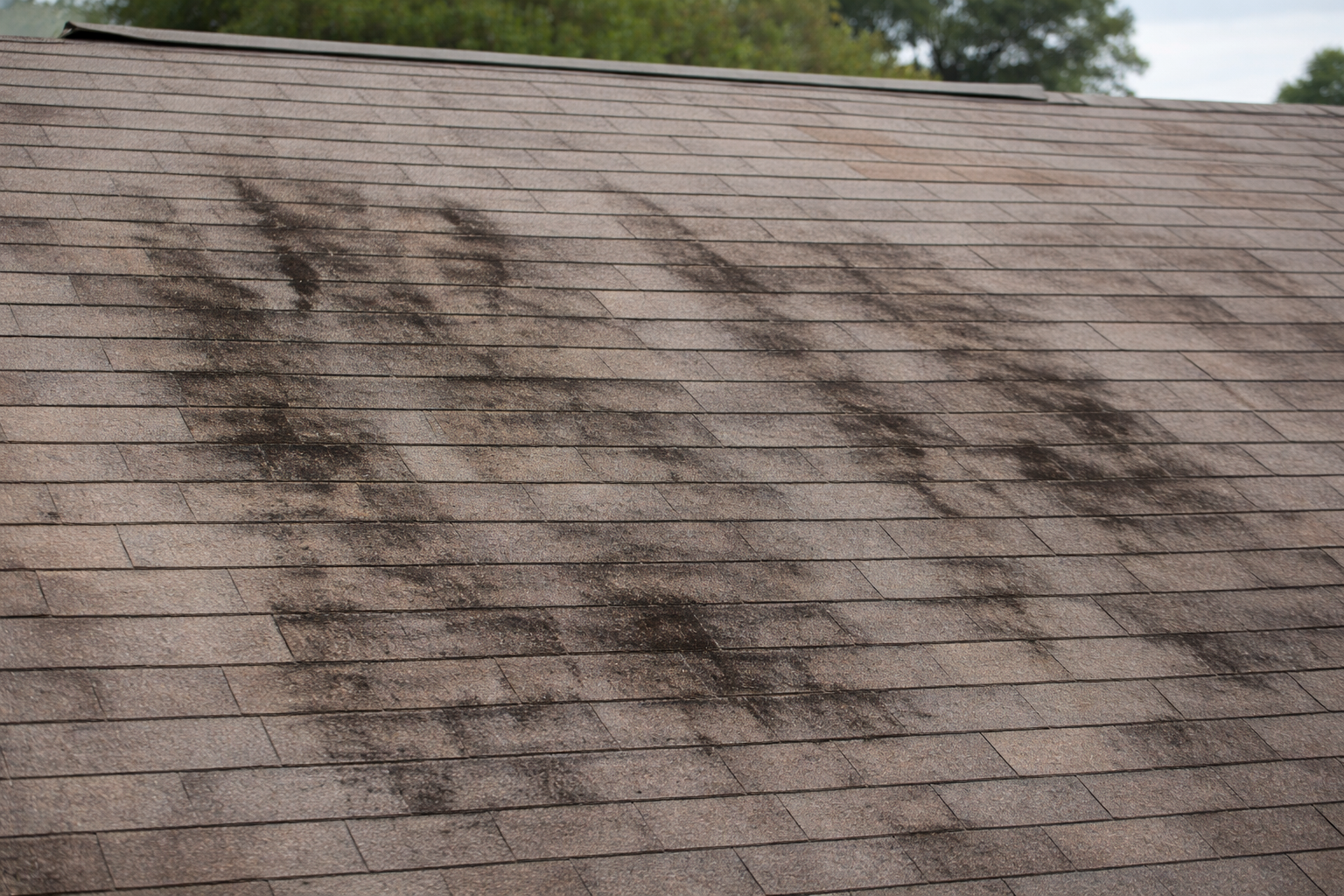
What does a roof restoration usually cost compared with a full roof replacement? For an asphalt shingle roof, restoration typically runs about 50–80% less. In coastal North Carolina, that often means a few thousand dollars versus five figures.
The catch is that “restoration” can mean very different scopes, from a true rejuvenation with targeted leak-critical fixes to a mostly cosmetic clean-and-coat package. In the sections below, you’ll see the typical price ranges for each option in Wilmington-area conditions and the quote line items that swing totals by thousands.
Roof Restoration vs Replacement Cost: Typical Price Ranges
North Carolina pricing models put an average asphalt-shingle replacement around $14,004 for a typical roof, and national guides still span roughly $3.50–$16.00 per sq ft installed. With numbers that wide, the only way to stay sane is to compare like-for-like scopes.
On an asphalt shingle roof in coastal North Carolina, a full replacement commonly lands around $8,200–$20,000 for a typical single-family home, and the final number mainly tracks shingle grade and roof complexity. Those totals can jump fast. Tear-off and disposal (often $1,000–$5,000 by itself) and any bad decking get added.
By contrast, if you want to kick the tires on costs, “restoration” in the rejuvenation sense is often priced at about 50–80% less than replacement.
| Option | Typical total (coastal NC, asphalt shingles) | Typical vs replacement |
|---|---|---|
| Full replacement | $8,200–$20,000 | Baseline (100%) |
| Restoration (rejuvenation + targeted fixes) | Often 50–80% less (example: $2,800–$7,000 if replacement is $14,000) | ~20–50% of replacement cost |
| Tear-off & disposal (common replacement line item) | $1,000–$5,000 | Added cost driver for replacement |
Put in plain dollars: if replacement pencils out at $14,000, many roof restoration cost quotes land around $2,800–$7,000. It is a life raft, not a new ship. If you’re being quoted near replacement money for a shingle “restoration,” you’re not comparing the same job, and Angi (formerly Angie’s List) is full of those muddled scopes.
Most Wilmington-area “restoration” quotes hinge on whether you’re paying for a true rejuvenation treatment or a broader repair-heavy scope. Read more in our article: Roof Rejuvenation Cost You may also be paying for something (like a coating/paint-style approach) that many pros discourage on asphalt shingles.
What You’re Really Buying: Years Added vs Reset-to-New

A shingle “restoration” (rejuvenation plus targeted fixes) usually buys you time: fewer tear-off surprises and less mess in exchange for a shorter extension. It’s most valuable when the roof is aging but still fundamentally sound, and you’re trying to bridge to a planned remodel, a sale window, or a better budget year.
A full replacement buys you a reset: new shingles and the chance to address the system underneath while everything’s open, but with more disruption and more cost volatility. If you’re treating price as the main deciding factor, you can end up paying twice, once to “buy time” and again when the roof still needs a reset.
The Cost Drivers That Swing Quotes by Thousands

Two homeowners can both swear they got a “fair” price, then realize one quote assumed simple access and clean decking while the other included tear-off and a steeper pitch. The difference is rarely the shingle brand; it’s the hidden workload.
If you’re wondering how two neighbors can both say they have a “2,200-square-foot house” and still get roof quotes that are miles apart, it’s because you’re not buying a roof by house size. Get three bids. You’re buying labor and materials by roof area and difficulty, plus whatever gets discovered once work starts. Treating the lowest total as the “real” market price is how homeowners end up arguing about numbers that were never for the same job.
Here are the variables that usually move an asphalt-shingle project (restoration or replacement) by thousands
-
Roof squares vs. house square footage: Roofers price in squares (100 sq ft of roof surface). A simple one-story can have less roof area than a two-story of the same living space, while lots of hips, overhangs, and dormers can push roof squares up fast.
-
Pitch and complexity: Steeper slopes, multiple valleys, cut-up rooflines, and tight access slow production and increase waste. Case in point: a roof with several valleys and dormers often costs more than a larger, simple gable roof.
-
Tear-off and disposal (replacement): Removing old shingles and hauling debris can be a standalone line item, and it’s one reason replacement pricing can jump even before you talk shingle grade.
-
Decking and flashing surprises: Once shingles come off, you may find soft sheathing or rusted/failed flashing at chimneys, walls, and valleys. Ask for the price per sheet of decking and whether new step flashing/valley metal is included or treated as an add-on.
-
Coastal exposure and details: Salt air, wind-driven rain, and sun load near Wilmington make edge details and penetrations less forgiving. That can push contractors to specify upgraded underlayment, better ventilation corrections, or stricter fastening patterns, which changes the number even when the shingle brand looks “the same.”
A documented roof inspection helps separate cosmetic wear from leak-critical issues like flashing failures or soft decking before you commit to either option. Read more in our article: Typical Roof Inspection
When Restoration Stops Being Smart and Replacement Wins

You approve a “quick” restoration to save money, then the next hard rain finds a new path and the roofer starts talking about opening up whole sections anyway. That’s the moment the cheaper plan turns into the most expensive timeline.
Restoration makes sense when you’re paying to extend a roof that’s still basically doing its job. Restoration stops being smart once the roof’s problems are systemic. Then “good enough for now” turns into paying for “time” you don’t actually get. If you’ve already had the same leak chased twice or you’re seeing widespread shingle breakdown, you’re likely headed for a replacement on short notice anyway.
Replacement usually wins when you can check off one or more of these
Recurring leaks are often tied to details around penetrations like chimneys and vents, not just the field shingles. Read more in our article: Roof Leaks Chimneys Vents
-
Recurring or widespread leaks: Water shows up in multiple rooms, keeps returning after repairs, or you see staining that tracks along rafters, which often points to a broader failure than a single patch can solve.
-
Shingles are past rejuvenation: Large areas look bald (heavy granule loss), curled, cracked, or brittle. As an example, if you find piles of granules at downspout exits and the shingle tabs feel stiff and “dry,” you’re not restoring flexibility, you’re delaying replacement.
-
More than one layer of shingles: Multiple layers limit proper fastening and make leak tracing harder. Many crews will insist on tear-off anyway, so a “restoration” quote here often turns into replacement scope.
-
Soft decking or sagging planes: If it feels spongy in spots (from the attic or during a careful roof walk by a pro), you need the roof opened up and repaired, not just treated.
-
Flashing or valley issues across the roof: One bad pipe boot is repairable; repeated failures at walls, chimneys, or valleys are a sign the details need a full reset.
-
Insurance or real-estate pressure: Case in point: you get a notice that coverage will be limited without proof of replacement, or a buyer’s inspector flags the roof as “end of life,” pushing you toward a new-roof receipt, not a treatment invoice.
FAQs: Roof Restoration Cost vs Full Replacement
Is Roof Pricing Usually Per Square or Per Sq Ft?
Both show up. I don’t want to open a can of worms. Most roofers build bids off squares (1 square = 100 sq ft of roof surface), then translate it into a lump-sum price. If you only know living square footage, you’re pricing off the wrong tape measure.
What Does “Roof Restoration” Usually Not Include?
Many restoration or rejuvenation quotes don’t include full tear-off, widespread decking replacement, or a full flashing/valley reset. If you need new sheathing or systemic detail work, you’re drifting into replacement scope even if the word “restoration” stays on the proposal.
Should You Compare Roof Coating Prices to Shingle Restoration?
Usually not on asphalt shingles. For context, some cost guides explicitly caution against coating/painting typical asphalt shingles (and also tend to mix roof types), which can make coating price comparisons misleading: homeguide.com. A lot of online “roof coating” pricing mixes roof types, and many pros caution against painting or coating typical asphalt shingles, so a cheap coating number can be a dead-end comparison.
-
Leak-critical details included (pipe boots, step flashing, valley work)
-
Tear-off and disposal included in replacement scope
-
Price per sheet of decking if bad wood is found
-
If restoration is near replacement dollars, what it does that replacement does not Anchor your roof replacement estimate to the replacement quote, then sanity-check restoration against it since it commonly prices at roughly 50–80% less. If replacement is around $14,000, a lot of real restoration numbers fall roughly $2,800–$7,000, and much above that usually means the scope isn’t a simple life-extension.
For a local answer instead of a national average, our roof rejuvenation in Wilmington NC quotes free with no pressure.