If you’ve been told your asphalt shingle roof is “near end of life,” you’re probably stuck in an annoying gray zone: it looks rough (especially in Wilmington’s humidity), but you might not have a single leak. Then you google “roof rejuvenation” and mostly find sales pages, which makes it hard to tell whether you’re looking at legitimate maintenance or an expensive way to delay the inevitable.
This guide explains it in plain language. You’ll learn what roof rejuvenation is (and what it isn’t), how it compares to a full replacement, and how to make the decision based on one practical threshold: whether your roof is failing or simply aging. You’ll also see what questions to ask so you don’t accidentally pay for a cleaning or coating when what you really need is either time-buying maintenance or a true reset of the roof system.
Roof Rejuvenation vs Replacement
Roof rejuvenation is a life-extension treatment for an existing asphalt shingle roof (asphalt shingle rejuvenation). In plain terms, a contractor applies a spray designed to recondition aging shingles (often alongside a gentle, low-pressure wash), with the goal of keeping a roof that’s still fundamentally sound serviceable for longer. A full roof replacement is different in kind: you remove (or tear off) the old roof as needed and install a new roof system, which resets the clock on materials and flashing details.
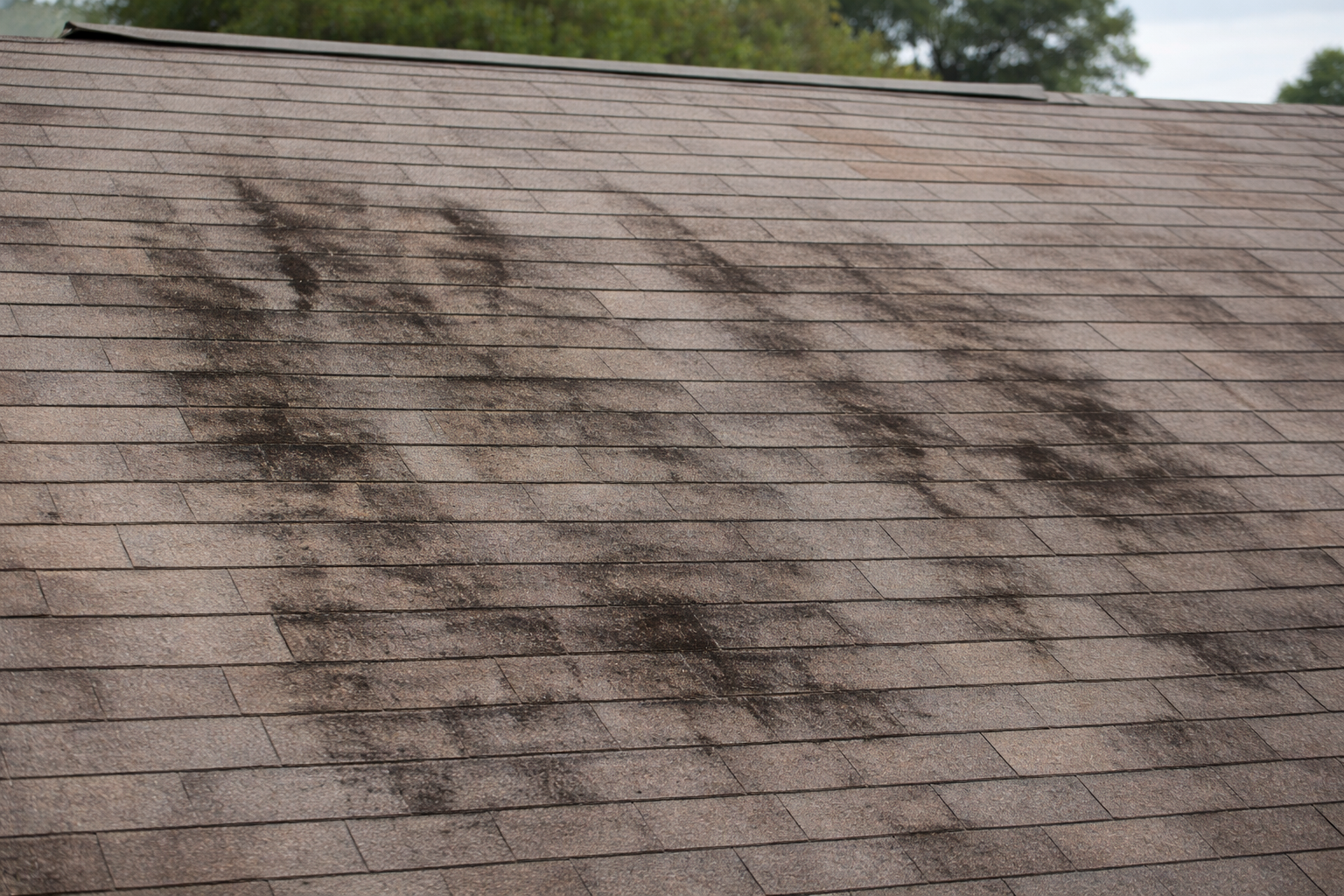
That matters because rejuvenation can’t turn an old roof into a new one. It is a tune-up, not an engine swap. It won’t fix rotten decking or active leaks, and it won’t change the roof design choices you’re stuck with. Replacement can solve those system-level problems and lets you upgrade materials, like choosing algae-resistant shingles that better resist the black streaking you see so often around Wilmington’s humidity and tree cover.
If you catch yourself thinking “it looks terrible, so it must be failing,” stop. Algae staining can create false urgency even when the roof is still performing, so the next move is usually inspection first, not a reflex to replace or spray.
| What you’re seeing | Likely category | Best next step |
|---|---|---|
| Active leaks, ceiling staining, or water intrusion | Failing roof / system problem | Replacement (spray won’t change outcome) |
| Soft or sagging roof decking | Failing roof / structural issue | Replacement (address decking and system) |
| Widespread shingle blow-offs after wind / storms | Failing roof | Replacement |
| Heavy granule loss (bare spots; lots of grit in gutters) | Failing roof surface | Replacement |
| Roof is dry inside; shingles still lay flat; early aging signs (minor brittleness) | Aging but fundamentally sound | Inspection-first; consider rejuvenation to buy time |
| Mostly cosmetic algae staining / black streaking; performance not collapsed | Cosmetic issue (may look urgent) | Inspection-first; cleaning may help appearance (not life extension) |
Roof Rejuvenation vs Roof Coating (and Why Cleaning Isn’t Either)

You can spend real money, get a roof that looks brand new from the street, and still be closer to replacement if the wrong method scours off granules or traps moisture where it should breathe.
If someone quotes “roof rejuvenation,” don’t let them play word games. That is how homeowners get penny wise and pound foolish. A soft wash/roof cleaning is mainly for algae and grime. It uses low pressure and chemistry so you don’t strip granules. It can make a Wilmington roof look dramatically better, but that visual change doesn’t mean you extended shingle life.
A roof coating is a different category: it tries to put a film over the roof to seal or reflect. That can change how the roof sheds water and releases moisture, and it can create problems if it isn’t specifically appropriate for asphalt shingles.
Rejuvenation sits in the middle: it’s a conditioning treatment intended to recondition aging shingles, not just remove staining and not “paint” the roof. Before you decide, ask one blunt question: “Are you proposing cleaning or a rejuvenation treatment, and what problem is it supposed to prevent?”
Cosmetic black streaks are often caused by algae rather than a failing roof system, which is why cleaning and evaluation are usually the smarter first step. Read more in our article: Black Streaks Roof Shingles Check reviews on Angi before you trust the label.
The Only Question That Matters: Is the Roof Failing?

A neighbor sees black streaks, hears the word “moss,” and signs on the spot, only to learn later the roof was never leaking and the real risk was an aggressive wash, not the discoloration.
In Wilmington’s humidity, black streaks can look urgent, but they’re often only cosmetic. Don’t let “ugly” push you into a decision you can’t undo.
Treat this as a pass/fail test. Get a gut-check. If you have active leaks or heavy granule loss (bare spots and piles in gutters), your roof is failing. A spray treatment doesn’t change where that ends. If the roof is dry inside and the shingles still lay flat, you’re usually in “inspect first” territory, not “replace immediately because it looks bad.”
When Rejuvenation Is a Good Bet
You keep the house protected through another couple of Wilmington seasons, skip the tear-off mess for now, and turn a rushed decision into a planned one.
Rejuvenation fits when the goal is simple: extend service life on a roof that’s still doing its job. Think: the roof is aging and starting to look rough, but it’s still leak-free and the shingles still lie flat. In that window, a treatment can be a lower-disruption way to stretch service life while you plan for a future replacement.
Use two filters: you want life extension, not a reset, and a roofer can document “early aging” signs. For example, if you’re in Wilmington and the main complaint is algae streaking or minor brittleness on an otherwise sound roof, it’s worth asking: “What would disqualify my roof from treatment today?” If they can’t name clear disqualifiers, that is a bad recommendation, period. Ask on Nextdoor who locals used, then compare answers.
When Replacement Is the Safer Call

If water is getting in at flashing or the deck is going soft, a treatment can buy you nothing but a false sense of security and a larger bill when the damage keeps spreading.
Once the roof crosses into failure or system-problem territory, rejuvenation is usually wasted spend. Case in point: if you’ve had wind-driven rain in Wilmington and you’re seeing ceiling staining near a chimney or a bathroom vent, a spray won’t correct the flashing detail that’s letting water in.
If you have active leaks or obvious heavy granule loss (bare patches and lots of grit in gutters), replacement is typically the safer move. The same goes if multiple repair spots keep popping up. At that point, it is not my first rodeo. You are chasing a system that is coming apart at the seams.
A simple gut-check: if you’d be angry to spend money today and still need a reroof within the next year or two, don’t treat.
Small flashing gaps around chimneys and roof vents are a common source of wind-driven leaks in coastal North Carolina, and they won’t be corrected by a spray treatment. Read more in our article: Roof Leaks Chimneys Vents Put that budget toward a replacement you can trust.
Credibility: What “Tested” Should Mean
Even major manufacturers note there’s no scientific evidence that algae deposits themselves reduce asphalt shingle performance, so a dramatic before-and-after photo can be more about looks than longevity (see the manufacturer note referenced here).
When a contractor says a rejuvenation treatment is “tested,” don’t accept that as proof it will work on your roof. Photos don’t prove performance. “Tested” should mean a named third party (not the manufacturer), a defined protocol, and a clear measurement tied to shingle performance. This Old House would not call a photo a test.
Before you sign, ask: who ran the test and what property was measured (for example, flexibility or material condition). If they can’t answer those plainly, you’re buying confidence, not evidence.
Your Next Step in Coastal NC

In Wilmington’s humidity, a roof can look “done” long before it fails, like driftwood that still holds together. Start with an inspection. Your next move should be inspection-first, not a reflex to spray or replace, because the wrong cleaning method can strip granules and shorten the roof’s life.
Book a roof inspection Wilmington NC and ask three specific things: confirm whether you have any leak or flashing failures (chimney, vents, valleys) and estimate remaining service life if the roof stays untouched. Describe the exact cleaning approach they’d use (you want low-pressure, chemistry-assisted washing, not high pressure). Then decide whether you’re buying time or starting over with a new roof system.
A proper roof inspection should document shingle condition and the high-risk details (like valleys and penetrations) so you can tell “aging” from “failing.” Read more in our article: Roof Inspection Wilmington Nc
FAQ (Purpose: Resolve Remaining High-Friction Questions About Cost Ranges, Disruption, Warranties, Repeat Treatments, And Timing; Role: Takeaway/Objection Handling; Depth: Short)
How Much Does Roof Rejuvenation Cost Vs. a Full Replacement?
Rejuvenation usually costs a small fraction of a reroof because you’re paying for cleaning/prep and a roof life extension treatment, not tear-off and disposal. Exact pricing depends on roof size and pitch, so treat any “too-good-to-be-true” quote as a cue to ask what’s excluded.
How Disruptive Is Rejuvenation Compared With Replacement?
Rejuvenation is typically a short appointment with far less noise and debris than replacement, since there’s no tear-off. Replacement is louder and messier, and it can expose hidden issues (like soft decking) that extend the job, but it also lets you fix the whole roof system.
Will Rejuvenation Void My Shingle Warranty?
It can, depending on the shingle manufacturer and the product/method used, especially if it counts as applying a coating or unapproved chemical. Ask your contractor to show you the shingle warranty language and the exact product name they plan to apply before you agree.
Do You Have to Re-Treat the Roof, or Is It One-and-Done?
Plan on it being maintenance, not a permanent fix; if it helps, it helps for a period of time, and some homeowners choose to repeat it rather than replace right away. If the contractor won’t discuss re-treatment timing at all and only talks like it “restores” the roof, you’re hearing sales talk, not a maintenance plan.
When Is the Best Time to Schedule Rejuvenation or Replacement in Coastal NC?
You don’t need to wait for a leak to act, but you also shouldn’t let algae staining alone force a replacement decision. Schedule an inspection when you notice brittleness or recurring repairs, and aim for a stretch of stable weather so cleaning and any sealants can cure.
Roof not getting any younger? Contact us or call 703-673-6301 to find out where you stand.One day of work from HardShore’s roof rejuvenation for Wilmington homes beats a month of tear-off quotes when the roof still has life left.