Is roof restoration safe for your family and pets while it’s being done? Yes, in most cases you can stay home safely. You just need to manage drift and slick overspray until everything’s rinsed and dry.
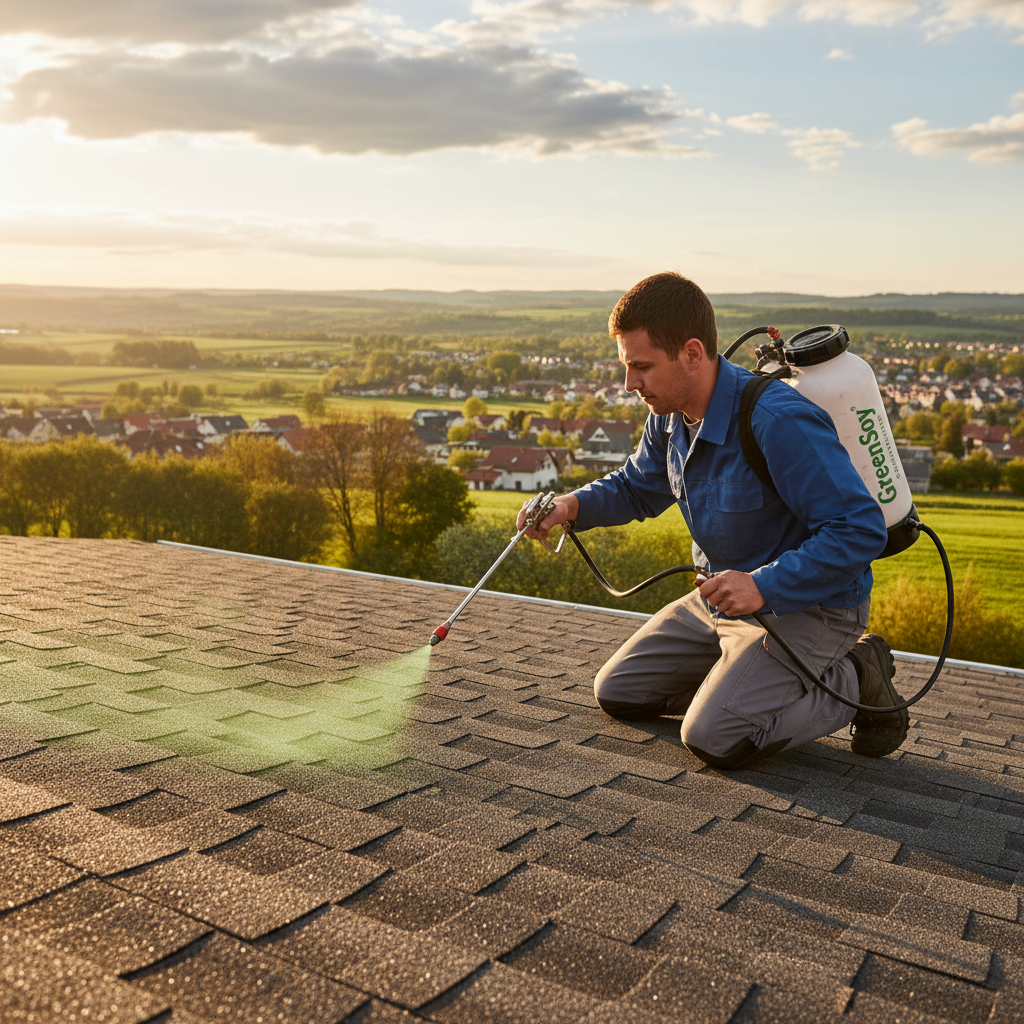
The confusion usually comes from mixing up roof rejuvenation with soft-wash roof cleaning. A rejuvenation treatment is typically a soy-based spray diluted with water, and the practical hazards are more about where that wet mist lands than about fumes inside your house. If you close windows and control how you go in and out, you can treat the day like a short jobsite window. This works best when you treat the outside like a controlled zone until everything’s dry.
What “Safe” Means on Treatment Day

If you’re asking “is it safe,” you’re probably picturing fumes in the house. On treatment day, the more realistic question is where wet mist can land and what you might touch or track inside afterward.
On treatment day, “safe” doesn’t mean the yard stays in normal-use mode. It means you plan around the real ways anyone could get exposed: a light mist of overspray downwind and wet residue on hard surfaces you might touch.
So think in two main routes. This is the part people miss, and it’s the same kind of practical gut-check you’d expect from Consumer Reports: brief outdoor breathing near the work zone and skin contact from leaning on a wet railing or stepping on a slick driveway. If you control those routes, you’ve handled the practical safety picture.
Some homeowners find it easier to think in terms of “inside air” versus “outside contact,” because most precautions are about drift and surfaces rather than indoor fumes. Read more in our article: Roof Rejuvenation Safety
Roof Rejuvenation vs. Soft-Wash Cleaning

A lot of “is it safe for kids and pets?” anxiety comes from mixing up two very different jobs. Roof rejuvenation is a life-extension treatment for aging asphalt shingles, typically a soy-based product diluted with water and sprayed on to recondition the shingle. Soft-wash cleaning is about killing algae and removing stains, and it often relies on stronger oxidizers and runoff control.
If your last roof experience involved that sharp pool-like smell and lots of plant-rinsing, don’t assume this project works the same way. I don’t want to open a can of worms, but it’s like grabbing bleach when you really needed dish soap. Before the crew starts, ask one plain-language question: “Are you applying a rejuvenation treatment, or are you soft-washing and then treating?” Your safety plan changes mainly based on what gets sprayed where and how much wet residue ends up on walkways, decks, and driveways.
The Real Hazard Is Slippery Overspray
You step out for a quick errand and suddenly the driveway edge feels like ice. The day goes sideways not from what’s in the air, but from what’s underfoot and on anything you grab for balance.
If you’re mainly worried about the product being “around your family,” you might miss the risk that actually sends people to urgent care: a wet film on something you step on or grab. Rejuvenation is applied as a spray, and even when the mist itself isn’t a problem for people or pets, roof treatment overspray risk on concrete and decks can turn them slick fast. That matters most in Wilmington-area homes where you’re already dealing with humidity and sandy shoes.
Assume anything outside could be slick until it’s been rinsed and dries (as noted in Roof Maxx’s Application and Safety Guidelines). Don’t treat it like a normal Saturday, even if the Nextdoor neighborhood feed says “it’s quick.” For example, the “easy” habit of walking out to move a car or check the mail can turn into the moment you slip on a damp driveway edge or grab a railing with a light coating.
Slick residue on driveways, steps, and decks is common enough that it’s worth setting a clear “no-walk” window until rinsing and drying are confirmed. Read more in our article: After Roof Treatment Walk
| Step | What to do | Why it matters | When |
|---|---|---|---|
| Entry/exit control | Pick one entry/exit and keep it clear; only use that door. | Reduces unnecessary trips through wet/active areas. | During treatment day |
| Pet routing | Keep pets on leash for bathroom breaks; use a tight, repeated route. | Limits contact with damp/overspray zones and tracking indoors. | Until rinsed/dry |
| Rinse timing | Ask the crew what they’ll rinse and when; request a quick rinse if you see residue on steps/walkways/deck boards before using that path. | Prevents slips and contact with wet residue on high-touch surfaces. | Before using paths |
| Block + check | Block off slick zones (chair/trash can/closed gate); check shoes and paws before coming back inside. | Prevents outdoor and indoor slip hazards from wet film. | During + after trips outside |
A Practical Family-and-Pet Plan
Keep it simple: limit trips, stick to one entry, and avoid touching damp outdoor surfaces until they dry. By the time the crew packs up, the house feels normal again.
You don’t need to evacuate the house for a rejuvenation spray, and should pets stay inside during roof work mostly comes down to keeping them off damp surfaces. Run it like a fresh mop job: block the route and keep everyone off wet areas. The goal is to reduce drift into the home and keep curious hands and paws off anything damp.
Before they start, do this quick sweep
A basic pre-treatment setup—covering or moving outdoor items and planning a single entry path—can significantly reduce tracking residue back into the house. Read more in our article: Prepare Driveway Yard
-
Windows/doors: Close windows, keep exterior doors shut, and choose one “in/out” door for the day.
-
HVAC intakes: Turn off any fresh-air intake if you have one, and keep kids and pets away from outdoor condenser units and return vents near the work zone.
-
Outdoor items you touch: Bring in or cover pet bowls, toys, strollers, patio cushions, and anything on the porch or deck that kids/pets will mouth or rub against.
-
Where kids/pets go: Set up an indoor “safe room” away from the entry door (water, litter box, chews), then keep pets leashed for quick bathroom breaks only until the crew says overspray has been rinsed and surfaces are dry.
When to Reschedule or Escalate

Approve the spray on a breezy afternoon and you may spend the next hour rinsing steps and tracking where the mist goes. On a calm day, it usually stays routine.
Most rejuvenation days go fine if you manage access and slippery surfaces, but the weather requirements mean you should reschedule or tighten controls when conditions turn a simple spray job into a drift-and-contact problem. The biggest trigger in Wilmington-area neighborhoods is wind. If gusts are strong enough to move tree limbs or push sand across the driveway, let conditions dictate whether the crew sprays that day.
Escalate the plan if anyone in your home is unusually sensitive (asthma or migraines), or if you notice strong odor or throat/eye irritation. Also pause if the crew can’t clearly explain what they’re applying and how they’ll prevent slick residue on your main entry.
Questions to ask before they start: “What product is this, and can you share the SDS?” “What wind speed is your cutoff to postpone?” “What areas will you protect and rinse, and when will walkways be safe to use?” “If someone feels irritation, what’s the immediate stop-and-rinse plan?”
Roof not getting any younger? Contact us at Contact us or call 910-241-1152 to find out where you stand.