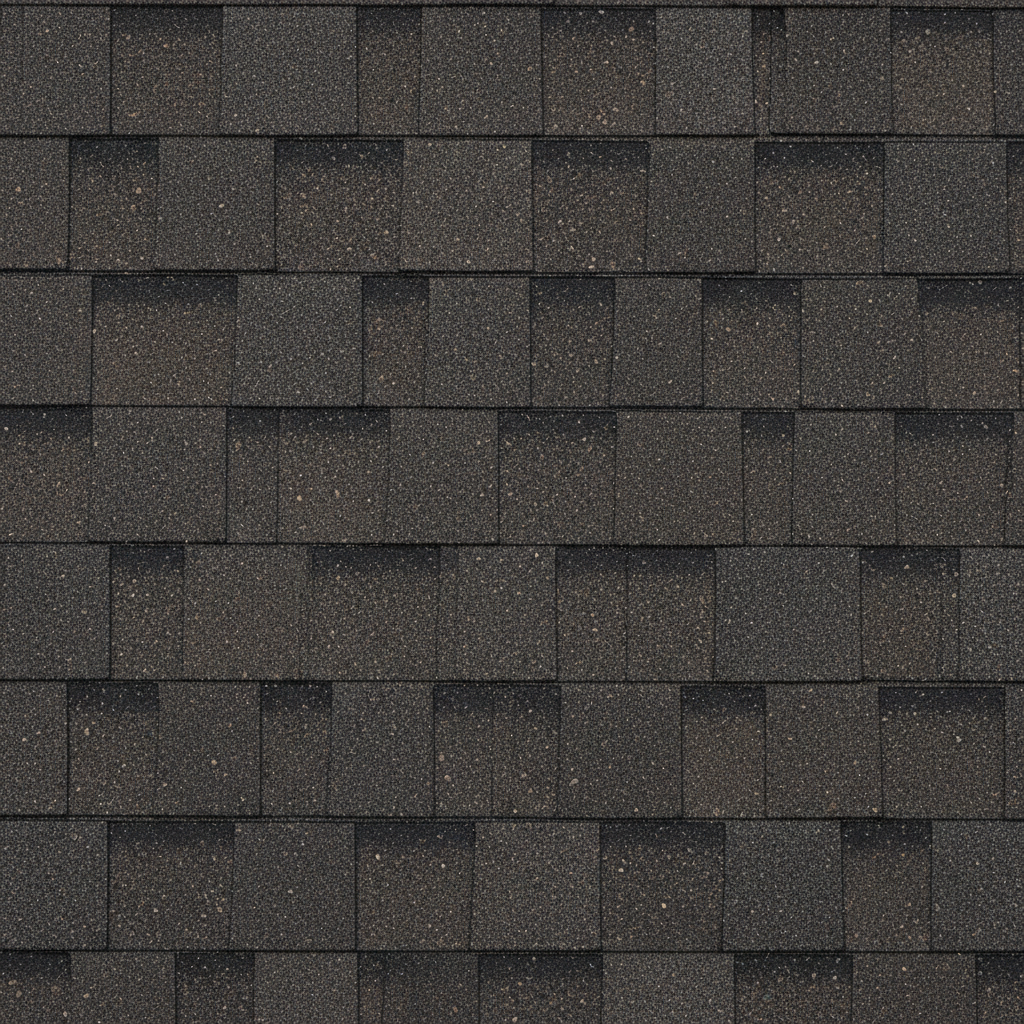
How do you know if your roof in Wilmington is getting too old? In Wilmington, plan on asphalt roofs like a 15–20 year asset. Near that window, get ahead of decisions before a storm forces them. Key aging signals confirm it.
Because Wilmington’s salt air and wind-driven rain shorten real service life, age alone won’t protect you from a surprise leak. This guide helps you confirm your roof’s real install date and spot the aging cues that matter most (before you get ceiling stains). You’ll also get specific questions to ask in an inspection so you can compare opinions, get ahead of it, and avoid pressure tactics by reading the roof like a tide chart.
Your Coastal-Age Baseline

A “30-year roof” can still surprise you in year 18 when salt air and sun have been doing their work. One coastal rule-of-thumb turns the marketing label into a number you can plan around.
In Wilmington, the number on the shingle wrapper isn’t the number to trust if you’re asking how long does a roof last in North Carolina. Consumer Reports style checklists beat marketing every time. Salt air and storm cycles usually compress real service life, and inland expectations don’t translate cleanly to Wilmington.
A simple way to sanity-check “too old” is to discount the rating: take a “30-year” architectural shingle and assume you only get about 85% in real-world conditions, then apply a coastal factor of about 75%. That lands you in the high teens to low 20s. If you don’t know what shingles you have, assume ~20 years for asphalt and treat anything past that as managed risk, not a free pass.
Confirm Your Roof’s Real Age
Start with paperwork, not guesses. Look up the roof permit (New Hanover County or your town) and check your closing packet for a re-roof invoice or warranty. If you used the same HVAC or pest company for years, their visit notes sometimes mention “roof replaced” dates too.
If all you have is “the previous owner said it was newer,” don’t kick the can down the road. Treat it like a handshake date written in sand, not a real install year. From the ground, compare profiles: 3-tab shingles (flat, repeating slots) often signal an older install, while architectural shingles (thicker, layered look) tend to be newer. Once you have a credible year, your Wilmington baseline becomes usable.
The Five Aging Signals That Matter

You can make it through plenty of rains with no ceiling stain and still be one wind-driven storm away from water getting in. The earliest warnings are usually small and easy to miss in a coastal climate.
In Wilmington, using a ceiling stain as your finish-line indicator is a bad strategy. Hurricane season prep checklists exist for a reason. Early on, the coastal pattern is subtle seal breakdown that lets water move laterally long before you see a drip.
Look for these five higher-signal cues
-
Shingle edges lifting or tabs that don’t lie flat after sunny days (seal failure)
-
Missing or cracked shingles in repeated spots after routine blowy storms
-
Bare patches where shingles look “bald” (not just a little early granule shedding)
-
Soft decking feel you can see indirectly: wavy rooflines or sag between rafters
-
Flashing trouble: rusty chimney/step flashing or stained siding at roof-to-wall lines
Rejuvenation, Repair, Or Replacement?
A homeowner on Pine Valley Road hears two opposite recommendations on the same roof: “just patch it” and “replace it now.” A simple decision frame keeps you from paying for the wrong solution.
If you want one clean way to decide in a roof rejuvenation vs replacement situation, use a 2-by-2: age (under or over your Wilmington baseline) and signals (none/minor vs multiple/high-signal), then adjust for how much risk you’re willing to carry through hurricane season.
| Roof age vs Wilmington baseline | None/minor signals | Multiple/high-signal cues |
|---|---|---|
| Under baseline (~under 15–20 years) | Inspect + maintain/rejuvenate | Targeted repair (fix specific failure areas) |
| At or past baseline (~15–20+ years) | Inspect closely + plan timing | Replacement planning (avoid waiting for interior leaks) |
Under ~15–20 years with no high-signal issues generally calls for inspect + maintain/rejuvenate, with condition documented and sealing details kept tight. If you’re under baseline but you’ve got one clear problem area (like a recurring lifted edge run or a localized flashing issue), choose a targeted repair so you’re not paying “replacement money” for a fixable defect.
Once you’re at or beyond the baseline and multiple cues are showing, shift into replacement planning. Waiting for an obvious interior leak often costs more than the roof. Nickel-and-dime repairs turn into playing blackjack with your decking when contractors are slammed.
Roof rejuvenation can be a cost-effective option when your shingles are still structurally sound but showing early aging from sun and salt exposure. Read more in our article: Roof Rejuvenation
What to ask in a Wilmington roof inspection

When the right photos and answers are on the table, it’s a lot harder for anyone to sell you a whole roof based on vibes. You leave with a short list of real risks and real fixes.
You’re not hiring a roof inspection Wilmington NC to hear “it’s old.” That verdict is useless, even if it comes with an Angi quote comparison. You’re hiring it to learn what’s failing and what you can fix without buying a whole roof, especially with wind-driven rain and salt exposure here.
Ask these, and insist on photos for each answer
-
“What are the top 2–3 leak-entry risks on this roof right now?” (seal failure at shingle edges and flashing at walls/chimney)
-
“Which issues are repairable this season, and what would you replace only if I were re-roofing?”
-
“How’s the flashing system, specifically step flashing and any roof-to-wall transitions?” Have them point to staining or rust and explain the water path.
-
“Do you see wind-related seal problems or edge lift that could fail in the next big blow?” This matters in Wilmington even when you’ve never had an interior leak.
-
“Can you document remaining life as a range and the reasons, not a verdict?” A clear write-up helps you compare quotes and reduces pressure tactics.
Algae staining and surface buildup can make it harder to spot true shingle wear and flashing issues from the ground. Read more in our article: Roof Cleaning
FAQ
If I Don’t Have Leaks, Does That Mean My Roof Isn’t “Too Old” Yet?
No. In Wilmington, wind-driven rain can get past lifted edges or tired flashing and travel like it is running a bilge line, so “no stains” doesn’t mean it’s not on its last legs. Treat age plus a couple high-signal cues as your trigger to inspect, not a drip.
I’m Finding Granules in My Gutters. Is That Automatic Replacement?
Not automatically, granules in gutters meaning can vary. Small amounts can be normal, especially if the roof is newer, but steady heavy grit or bald-looking patches you can see from the ground is a different story and deserves an inspection.
Is Black Streaking (Algae) the Same Thing as Roof Failure?
Usually not. Algae is often a cosmetic issue, but it can hide cracking or flashing stains, so don’t let “it’s just algae” end the conversation if your roof is near the Wilmington age baseline.
Moss holds moisture against shingles and can accelerate granule loss and edge deterioration over time. Read more in our article: Eliminating Moss Roofs
What Should I Check After a Blowy Storm if I Don’t See Missing Shingles?
Walk the perimeter and look for lifted edges and bent or separated flashing at roof-to-wall areas. If you spot anything new, take photos and schedule a quick look before the next rain cycle.
Can I Just Wait and File an Insurance Claim if Something Happens?
Don’t plan on that as your strategy. As roofs age, insurance friction tends to increase, and even a legitimate wind event might not clear your deductible, so it’s smarter to document condition and plan timing instead of hoping a claim solves it.
The cheapest next step is knowledge: HardShore’s free roof inspection in Wilmington NC documents what’s actually there.