If you’re weighing restoration against replacement, you’re really asking how much sand is left in the hourglass before the big reset. In most cases, a restored or rejuvenated asphalt shingle roof gives you about five years of added service life per application, while a full replacement in the Wilmington area typically buys you a high-teens to mid-20s run in real-world conditions.
The hard part is that “restored” can mean a few different things. Your best option hinges on wind performance and on whether insurers and future buyers will treat the work as a real reset. This guide breaks down realistic timelines for rejuvenation versus replacement, clarifies restore vs recover, and helps you spot the inflection points where you’re buying credible runway versus delaying the inevitable.
How Long Does Roof Rejuvenation Last?

Most roof rejuvenation programs set expectations at about five years of added service life per application for asphalt shingle roof restoration lifespan, and anything more is wishful thinking (see study summaries on roof longevity after rejuvenation). In real terms, that usually means you’re not “starting over” the way you would with a new shingle roof. You’re buying a shorter runway before the same age-related issues and wind vulnerability start to dominate again.
By way of example, if your roof is aging but still fundamentally sound, rejuvenation can make sense as a planned delay (re-check and potentially reapply on a five-year rhythm), the same way a home inspector report write-up might note “serviceable, monitor” instead of “replace now.” If you’re already dealing with widespread cracking or active leaks, “five more years” often turns into “a little time, if you’re lucky,” especially after a tough coastal storm season.
Most homeowners get the best results from rejuvenation when the roof is still within the typical candidate age range and hasn’t crossed into brittle, failure-prone shingles. Read more in our article: Roof Rejuvenation Candidate
How Long Does a Replacement Last Here?

Make a call you can live with through the next few storm seasons without tracking every forecast. A true reset can mean fewer surprise repairs and fewer edge-of-warranty arguments after the next few storm seasons.
In the Wilmington area, a new asphalt shingle roof often lands in the high-teens to mid-20s for real-world roof replacement lifespan asphalt shingles, even though you’ll see 20–30 years quoted as a general expectation (as commonly described in replacement vs restoration comparisons). You can get longer, but treat “30 years” as marketing, not a default you’re owed.
The range shifts mainly with wind exposure and heat and sun (south-facing slopes age faster). It also shifts with whether your attic setup keeps shingles from cooking early (ventilation and insulation details). As an example, two identical roofs can age very differently, like the difference between a screened porch that weathers gracefully and one that gets blasted year-round.
After major wind events, quick post-storm checks often catch lifted shingles and flashing issues before small leaks turn into soaked decking and interior repairs. Read more in our article: Roof Problems After Hurricane
Restore vs Recover vs Tear-Off
Most codes cap you at two roof coverings. That single rule is why “replace” can mean very different futures depending on what’s already on your house.
When comparing restoration and replacement, separate the three paths, since blending them is how bad calls get justified. Restore treats the shingles you have to buy time. Recover installs a new shingle layer over the existing layer. Tear-off replacement removes the old roof down to the deck and then installs the new system.
| Option | What it is | What it changes | Key constraint to check |
|---|---|---|---|
| Restore (rejuvenation) | Treatment applied to existing shingles | Buys time, but does not “reset” roof age | Roof must still be fundamentally sound (no widespread cracking/exposed mat/leaks) |
| Recover (overlay) | New shingle layer installed over existing layer | Can defer tear-off, but doesn’t remove old problems | Existing layer count and local code/limits on number of coverings |
| Tear-off replacement | Old roof removed to the deck; new system installed | Full reset of age, inspection optics, and repair risk | Higher cost/mess; may be mandatory if at max layers |
The overlay option also shifts the math because code typically stops you at two roof coverings, regardless of what the Nextdoor “my guy says it’s fine” threads claim (see ARMA’s Replacement vs. Recover technical bulletin). For instance, if you already have one layer and you choose a recover now, your next “replacement” may be forced into a tear-off, which costs more and can limit how long you can keep deferring the big reset.
The Inflection Points That Decide It
A roof can look fine from the curb and still lose tabs when the first stiff coastal gust gets under a brittle edge. The difference is usually visible up close long before the failure makes the decision for you.
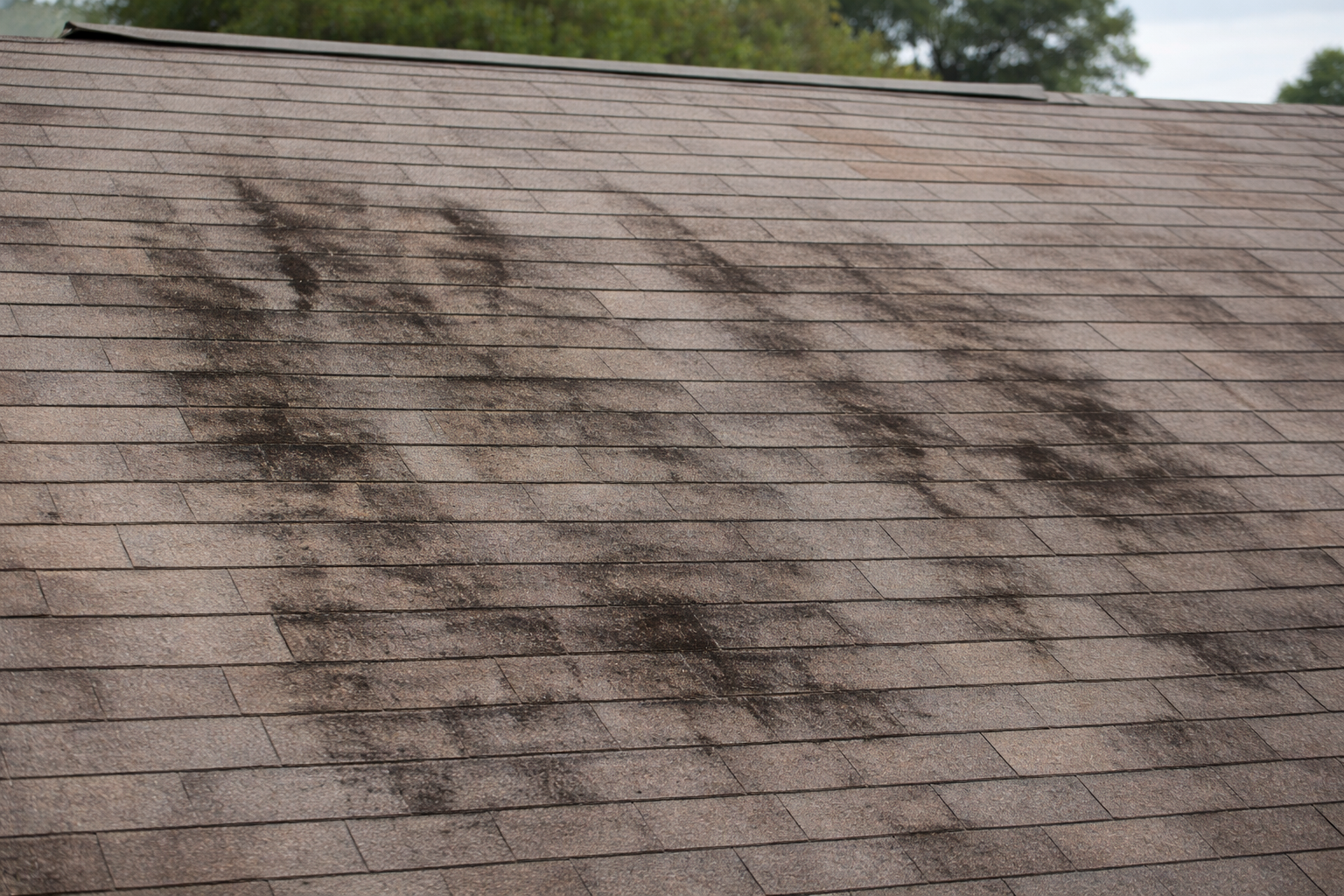
Rejuvenation tends to work best when your roof is still in the early-to-mid aging window and failing mainly from dryness, not damage. If you’re already past the stage where shingles can flex and seal under wind, a treatment won’t change the timeline much, even if the roof looks better from the ground. It is like repainting rotten trim.
Use a few checkpoints to route yourself
-
Age window: Around 8–12 years is often the “best shot” range; much older roofs may not have enough shingle life left to reliably buy another cycle (a timing window commonly cited in rejuvenation longevity write-ups).
-
Granule loss vs. exposed mat: A little grit in gutters can be normal; dark/black areas where the fiberglass mat shows is a different story and usually pushes you toward replacement.
-
Brittle or cracking shingles: If tabs crack when lifted or edges curl hard, you’re closer to a structural limit than a maintenance issue.
-
Soft decking or active leaks: Any spongy spots, stained sheathing, or recurring leaks usually means you need a reset, not a tune-up.
-
Heat/ventilation stress: If your attic runs hot (weak intake/exhaust, blocked soffits), you’ll burn through any “extra years” fast unless you fix airflow.
If you’re telling yourself “it’s not leaking, so it’s fine,” you’re flirting with a money pit.
A basic roof inspection can confirm whether you have hidden soft decking, active leaks, or damage patterns that make rejuvenation a poor bet. Read more in our article: Typical Roof Inspection
Choosing the Most Credible ROI Path

Ignore the underlying constraints and you can end up paying for “saved years” twice: once for the shortcut, and again when the next job becomes mandatory tear-off. The expensive part is not the first invoice, it’s the forced redo.
If you need 0–5 years of runway and your roof still qualifies (no active leaks or widespread cracking), restoration tends to be the most ROI-positive move, but only if you’ll actually re-check and reapply on a five-year rhythm. If you need a true reset because you’re planning to stay put, you’re facing underwriting pressure, or you don’t want to gamble through multiple coastal storm seasons, replacement (ideally tear-off when appropriate) usually wins because it resets age, inspection optics, and repair risk all at once.
If recover (overlay) is appealing mostly because it’s quicker and cleaner, remember how the Home Depot or Lowe’s contractor desk experience works. Fast quotes do not change code. Force yourself to check one unglamorous constraint first: how many layers you already have and what your local code will allow, because an overlay now can make your next reroof a mandatory tear-off. The point isn’t what feels cheaper today, it’s what keeps you from paying twice for the same “saved” years.
Roof not getting any younger? Contact us at Contact us or call 910-241-1152 to find out where you stand.