If you’re asking this, you’re probably staring at an aging shingle roof and a replacement recommendation. Your roof isn’t “too old” based on age alone. It’s too old only when key parts are failing and you can’t make it reliably watertight.
Evidence matters more than the install date, so “too old” usually means active leaks or widespread shingle failure. In Wilmington, humidity and salt air can make wear look worse than it is. A roof can look rough from staining or weathering and still be doing its job, while the real failure hides at a penetration or valley detail. This guide will help you separate cosmetic aging from true deal-breakers, understand what “restoration” and “rejuvenation” can realistically do (and what they can’t), and make a restore-versus-replace call using a quick inspection and a simple cost comparison.
When “old-looking” isn’t “too old”

A roof can look rough for years before it fails, especially in Wilmington’s humid, salty air. Dark streaks from algae and a generally “chalky” look often signal surface weathering or staining, not that the shingle system has reached end-of-life.
If you’re being pushed toward replacement based on looks alone, don’t let them nickel-and-dime you. Press for failure evidence: missing or torn tabs and repeat leak points where vents and flashing meet like a bad gasket. As an example, a heavily streaked north-facing slope may clean up and still shed water fine, while the real risk lives at a rusty pipe boot you can’t see from the yard.
In coastal North Carolina, salt air and humidity can accelerate oxidation and make shingles look older than they are. Read more in our article: Salt Air Humidity Shingles
Signs You Need a New Roof (Deal-Breakers That Mean Replace)
You do not want to find out your roof was “treatable” the day after a hard rain, when a small opening turns into soaked insulation and hidden rot. Once water has a path in, the risk is not just a leak, it is compounding damage you cannot see yet.
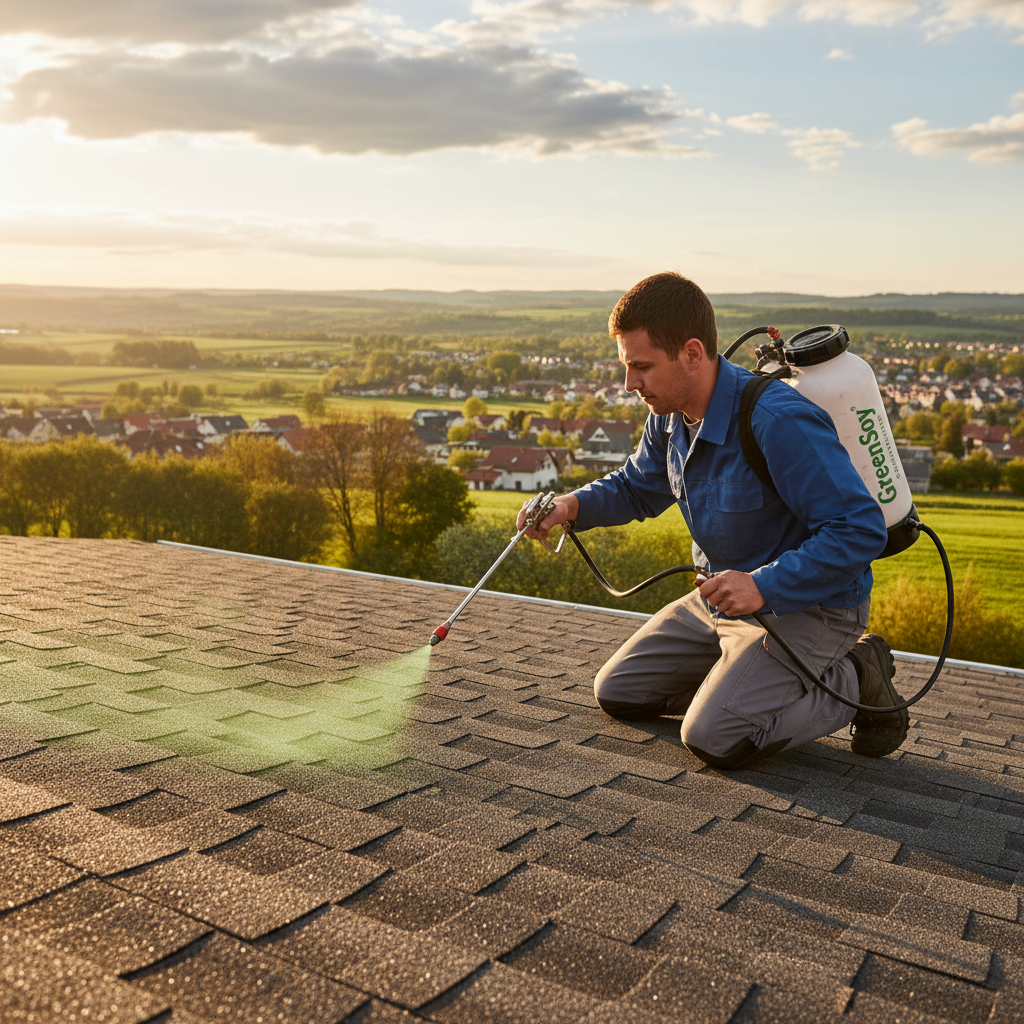
Rejuvenation can help as roof rejuvenation for aging shingles when your shingles are aging mainly from oxidation (they’re drying out and getting brittle), but it can’t reliably solve a roof that has real openings or failing structure. Once water has a path in, “adding years” promises stop mattering. It’s like trusting an Angi (Angie’s List) badge over a dripping ceiling stain. You’re managing damage, not just aging.
| What you find | What it usually means | Best next step |
|---|---|---|
| Active leaks or recurring leak spots (chimneys, valleys, skylights, vents) | Water already has a path in | Lean toward replacement unless a specific, isolated defect can be permanently corrected |
| Failed flashing or pipe boots (rusted, cracked, lifted, repeatedly patched) | Failure is at the detail, not the shingle surface | Replace/repair the detail; if multiple details are failing, replacement is usually safer |
| Soft/spongy decking, sagging areas, or attic-visible rot | Structural compromise under the shingles | Replacement plus decking repair |
| Widespread missing/delaminating/severely cracked shingles | Large areas can’t shed water predictably | Replacement |
If someone recommends “restoration” without addressing these failure points first, you’re not protecting your roof.
Most recurring roof leaks start at transitions like vents, chimneys, and valleys, not in the middle of the shingle field. Read more in our article: Roof Leaks Chimneys Vents You’re kick the can down the road and raising the odds of hidden wood damage.
Signs Your Shingles Can Be Saved

A homeowner in Ogden thought their roof was done because it looked tired from the street, then the inspection showed dry shingles but solid flashing and clean decking. They spent money where it mattered and avoided buying a whole new roof on looks alone.
Restoration can still make sense even in the teens if the shingles are drying out rather than admitting water. You’re looking for oxidation symptoms (brittle feel, minor edge curling, a faded, chalky look) without system failure, because rejuvenation targets flexibility, not holes. Think of it like reconditioning leather, not rebuilding a blown seam.
Good signs include: the shingle field is largely intact with only occasional isolated damage; granule loss looks like normal thinning instead of bare fiberglass showing across wide areas; and critical details are holding, meaning pipe boots and flashing aren’t rusted. If a contractor can’t point to specific leak paths or rotten decking, don’t let age alone end the conversation.
Roof Restoration vs Replacement (and Rejuvenation)
Most of the disappointment around “roof restoration” comes from expecting a reset when the realistic upside is smaller. Across the market, rejuvenation is commonly positioned as roughly a 5–7 year extension, not a rewind to day one.
These words get used interchangeably, and that’s a terrible habit. Nextdoor (local neighborhood recommendations) threads don’t change what the roof system actually does. Rejuvenation is a treatment aimed at oxidized, dried-out shingles to help restore flexibility and slow further cracking. In this market, the realistic expectation is about 5–7 added years, not “like-new.” Restoration usually means targeted work that keeps the roof system reliably dry, like replacing a few damaged shingles, resealing or swapping a pipe boot, and fixing small detail issues, but it doesn’t erase overall age or wear.
Replacement is a full reset: new shingles plus the components that make the system work (underlayment and flashing details). If someone tells you rejuvenation “makes it new again,” challenge that claim with a simple test: ask what it does for a cracked boot at a plumbing vent or a failing valley detail. If the weak point is an opening, you don’t need a younger-looking roof, you need a roof that’s watertight.
Your Decision in 15 Minutes
You can walk away from the next sales pitch with a clear yes-or-no instead of a vague feeling that you are gambling. A fast check and two comparable numbers is usually enough to stop overpaying for either patches or panic.
Start with a quick “proof of watertightness” check as part of a roof inspection Wilmington NC homeowners can do first: look for fresh ceiling stains and darkened decking around vents/valleys. If you can’t identify a leak path or soft wood, don’t let age drive the decision. It’s often just a proxy for unknown condition.
Then get two written numbers from the same inspection scope for a roof restoration cost vs replacement cost comparison: (1) restore/rejuvenate plus any required detail repairs (boots/flashing) and (2) full replacement. If option (1) is ~30–40% or more of option (2), the juice isn’t worth the squeeze (a common rule-of-thumb in repair-vs-replace decision guides). At that point, you’re patching a leaky bucket instead of buying one that holds water. Ask: “What exact defect makes this roof not savable?” “What will you repair before any treatment?” and “What warranty term are you putting in writing?”
A structured inspection that checks the attic, decking, flashing, and penetrations can quickly separate cosmetic aging from true failure. Read more in our article: Typical Roof Inspection
Roof not getting any younger? Contact us or call 703-673-6301 to find out where you stand.When the shingles are dry rather than done, our local roof rejuvenation service puts the lost oils back.