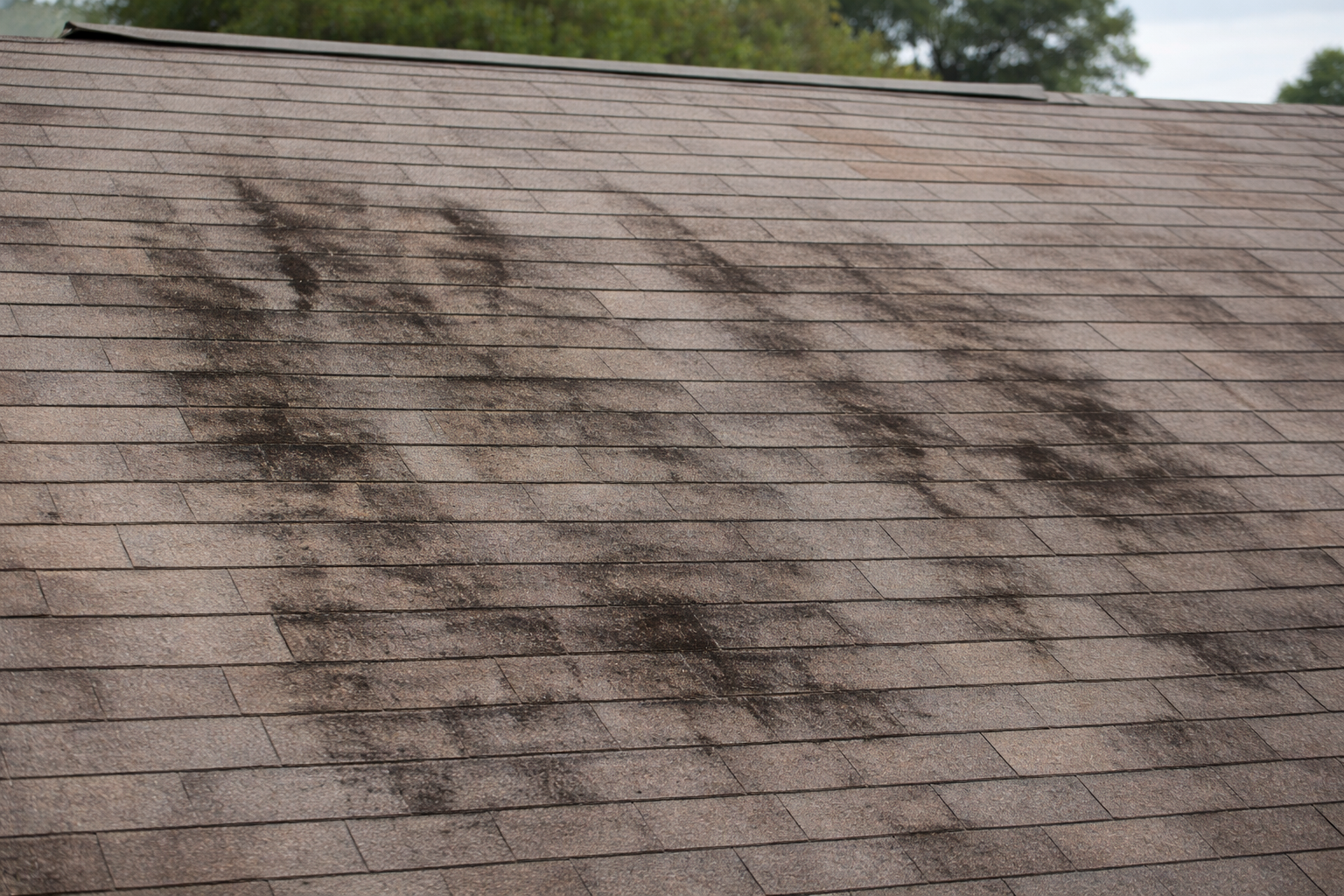
If you’re looking at roof rejuvenation because you’ve got a leak, it usually won’t fix it. Roof rejuvenation mainly conditions aging shingles and can improve how they look.
It can still be a smart spend in coastal North Carolina if your roof is aging but intact and you’re trying to buy time before replacement. The problem is that leaks usually start at flashing, vent boots, and other roof details, and a spray treatment doesn’t rebuild those parts. In the sections below, you’ll learn where leaks begin, what rejuvenation can and can’t change, and how to vet a quote so you don’t pay for “seal” language when you really need a specific repair, especially if you’re asking, does roof rejuvenation stop leaks.
| Situation you have now | Likely leak source | Will rejuvenation stop it? | Better next step |
|---|---|---|---|
| Active, repeatable leak after hard rain | Flashing/boot/valley/fastener detail | Usually no | Find exact entry point; repair that detail first |
| No leak, but roof is aging (stiffer shingles, early granule loss) | Shingle field aging | Not a “leak fix,” but may reduce risk | Inspect details; consider rejuvenation as life-extension |
| Interior stain but no clear entry point identified | Not diagnosed yet | Uncertain | “Start-at-the-details” leak check; document entry point |
| Missing/creased shingles, widespread curling, bald fiberglass spots, soft decking | Material failure / deck issues | No | Targeted repairs or replacement assessment |
Where Roof Leaks Usually Start

It’s easy to pay for a treatment and still end up chasing the same stain after the next storm. The common mistake is blaming the shingles when the entry point is at a roof detail.
Most roof leaks don’t begin because the whole shingle field suddenly “stops being waterproof.” They start where the roof is interrupted: places where metal and rubber have to stay tight through heat, salt air, and wind-driven rain. Around Wilmington and the beach communities, that wind can push water sideways and uphill, so tiny gaps at details show up as interior stains long before the shingles in the open areas are truly failing.
Think of your roof as a water-shedding system with weak links at every transition, which aligns with how major manufacturers frame leak fixing as a source-and-repair problem rather than a broad treatment (see GAF’s roof leak repair guidance). Rejuvenation can improve shingle flexibility and granule retention, but it doesn’t reset flashing lines or fix a failed vent boot. If you’re paying to “stop a leak,” you can’t afford to guess wrong about the failure point.
In practice, the usual suspects are
Getting a roof leak diagnosis that documents the exact entry point (not just the ceiling stain) is what prevents paying for the wrong fix. Read more in our article: Roof Leaks Chimneys Vents
-
Pipe boots and other penetrations (plumbing vents, bath fan terminations): rubber cracks, collars loosen, nails back out.
-
Flashing at walls and chimneys (step flashing, counterflashing): small separations let water run behind the shingles.
-
Valleys and transitions (valleys, skylights, dormers): high water volume plus debris can force water under laps.
-
Ridge caps and intake/exhaust vents: fasteners and seal lines age, especially after storms.
A useful way to steer an inspection is to ask for a “start-at-the-details” roof leak diagnosis before anyone talks treatments: “Show me the exact entry point, not just the stain.” If they can’t show a failed penetration, flashing run, or transition, it’s not a diagnosis yet, it’s a sales pitch for coating.
What Rejuvenation Can Realistically Change

In lab testing on aged shingles, one study package reported 53% better granule retention after accelerated weathering for a corn-oil-based rejuvenator versus untreated (PRI-referenced lab testing package). That kind of result points to what these products are trying to improve, and what they are not built to rebuild.
A penetrant “rejuvenation” treatment is basically trying to condition the asphalt in your shingles so they act less brittle and shed fewer granules as they age. Marketing usually points to accelerated-weathering results like improved granule retention. It can translate to slower cosmetic wear and, sometimes, a little more resilience against cracking in sun-and-salt conditions.
What it can’t do is reach the parts that usually create leaks, this is the core of roof leak repair vs roof rejuvenation: it won’t re-seat flashing, rebuild a chimney transition, replace a split pipe boot, re-nail a lifted shingle, or undo soft decking. If someone sells it to you as a leak fix, push back. Bring in another roofer to locate the entry point and fix that specific defect first. Then treat rejuvenation (if you do it at all) as life-extension maintenance, not waterproofing.
When Rejuvenation Might Reduce Leak Risk
Rejuvenation can reduce leak risk, in other words, can roof rejuvenation prevent leaks, only when your shingles are still fundamentally intact. Think of it like putting sunscreen on weathered shingles, not patching a ripped seam at the flashing. If the shingle field is getting stiff and starting to micro-crack or lose granules, improving flexibility and granule retention can help it keep shedding wind-driven rain for a little longer.
If your roof is 12–18 years old, still looks sound, and the inspection finds no failing boots or flashing gaps, treatment may buy time before tabs crack or edges lift. If you’re hoping it will “seal” a known entry point, you’re paying for the wrong tool. It is good enough for now only when nothing is actually open.
If you’re deciding between treatment and replacement, the most important factor is whether the roof is still structurally sound and the problem is limited to surface aging. Read more in our article: Roof Rejuvenation Vs Replacement
Red Flags: When It Won’t Stop Leaks

With an active, repeatable leak, rejuvenation is the wrong sequence unless the entry point has already been repaired. A spray can’t replace a cracked pipe boot, handle roof flashing leak repair at a chimney, fix a lifted drip edge after a storm, or reverse soft decking. If someone’s pitching it as “sealing” the roof, you’re being sold hope instead of a diagnosis. That is a bad deal.
Treat it as a no-go when you see any of these: multiple missing/creased shingles, exposed fiberglass or bald spots with heavy granule loss, or staining that reappears after every hard coastal rain in places like Carolina Beach.
Coastal North Carolina Factors That Change the Call
Near Carolina Beach, a small flashing gap can turn a faint stain into a bigger one overnight when a squall drives rain uphill. On the coast, the weather is not just harder, it is sneakier.
In Wilmington and the beach communities, roof rejuvenation coastal NC decisions are shaped by wind-driven rain turning small flashing or vent-boot imperfections into real leaks and by salt air accelerating corrosion on exposed metal edges. That means your decision often hinges less on “dry shingles” and more on whether the details can still take sideways rain after the next squall.
Also, algae and staining can make an asphalt roof look “done” when it’s not necessarily leaking, while storm history can make a decent-looking roof risky.
Coastal wind and salt can shorten the service life of asphalt shingles by accelerating granule loss and weakening key roof details. Read more in our article: Salt Air Humidity Shingles Ask your inspector to separate appearance from water-entry points and to call out any storm-lifted edges or brittle rubber boots before you spend money on treatment.
How to Evaluate a Rejuvenation Quote Without Getting Sold

A tight scope with specific language lets you compare quotes, including cost, without guessing what you’re buying. The goal is to make it hard for anyone to hide a lack of diagnosis behind the word “seal.”
A good rejuvenation quote reads like a scoped maintenance job, not a miracle promise, think roof rejuvenation pros and cons, not empty promises. Treat it like Consumer Reports-style comparison shopping, not a vibe check. If they lean on “sealing leaks” or avoid specifics, treat it as a scope problem and press for what repairs are included. Use the three quotes rule before you commit.
Use this quick filter before you sign
-
Evidence (for your roof): “What shingles/ages does this work on, and what changes after treatment are you measuring, beyond darker color?”
-
Prep scope: “What exact repairs are included before spraying (pipe boots and flashing touch-ups), and what’s excluded?”},{
-
Warranty reality: “Does my shingle manufacturer allow field-applied rejuvenators, and what happens to existing coverage?”
-
Application discipline: “How many coats, and why?” If they push ‘more product = more protection,’ walk.
FAQ
Will Roof Rejuvenation Stop an Active Leak?
Not by itself in most cases. If water is coming in, you still need the entry point found and repaired first, which is usually flashing, a vent boot, a valley, or a fastener issue rather than “dry shingles.”
Is It Mostly Cosmetic, Or Does It Protect the Roof?
It can do both, but not in the way most people mean when they say “seal.” The realistic goal is slowing certain aging behaviors in the shingle field (like brittleness and granule loss), while the leak-stopping work almost always happens at details and repairs.
Can Rejuvenation Void My Shingle Warranty?
Possibly, depending on your shingle manufacturer and the exact product or process used (a cautious homeowner overview with industry/warranty questions is summarized here: NC Consumer roof rejuvenator spray guidance). Don’t accept “it won’t affect anything” as an answer; ask the contractor to show you the manufacturer’s current guidance for your shingle type and age.
When Is the Right Time to Do It?
When your roof is aging but still fundamentally intact: no widespread curling, no bald fiberglass spots, and no soft decking areas, and after any needed repairs are done. If you’re only shopping because you already have repeat interior staining after storms, you’re usually past the “spray buys time” window.
If It Doesn’t Stop Leaks, Why Do Some People Say It ‘Worked’?
Because many services include a tune-up that fixes the real leak risks (like replacing a cracked pipe boot or re-securing a vent), and the spray gets the credit. If the quote can’t clearly separate “repairs we’re doing” from “treatment we’re applying,” you can’t tell what you’re paying for.
Roof not getting any younger? Contact us or call 703-673-6301 to find out where you stand.Our free roof inspection with a written report covers exactly these problem spots and hands you the findings in writing.