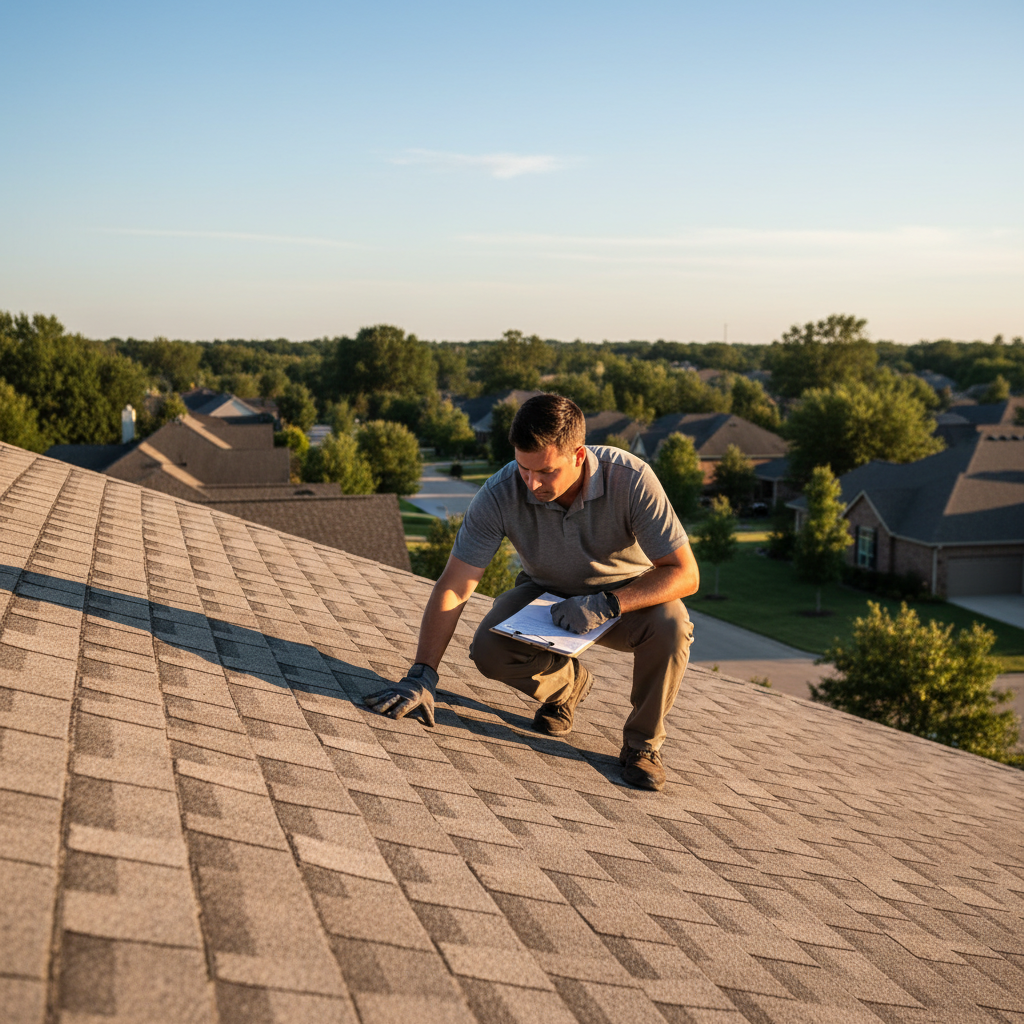
Will this affect my roof warranty or my homeowner’s insurance? It can, but usually indirectly through the method used and what you can prove later. Your best protection is choosing a gentle method and keeping clean documentation.
In coastal North Carolina, you’re juggling three different promises at once. Cover your bases like you’re keeping three plates spinning: the shingle manufacturer’s materials-defect warranty, your roofer’s workmanship warranty, and your homeowner’s insurance coverage and renewal rules. This guide explains how roof treatments and “rejuvenation” services can affect claims or renewals in real life, and what to document so a future conversation doesn’t turn into “that was pre-existing damage.”
The Two Ways It Can “Affect” Coverage

You don’t find out whether a roof treatment mattered when you pay for it. You find out when you’re trying to prove what happened after a leak or a storm, and the timeline suddenly becomes the whole argument.
A roof treatment usually doesn’t change things through a dramatic “your warranty is void” letter, most of the risk is how the work was done and what you can show later. The real exposure shows up in two places: terms and proof. First, a manufacturer can deny a materials-defect warranty claim if the roof wasn’t maintained per published instructions, and that isn’t worth the headache when the GAF or Owens Corning warranty PDF is the yardstick.
Second, even if the terms don’t explicitly ban what you did, a treatment can change how a future problem gets interpreted: did a shingle fail from a defect, or from cleaning and installation? Insurance decisions tend to hinge on roof condition and the paper trail, not what you meant to do.
Insurers and manufacturers often look for visible handling damage like scuffed granules or lifted shingle edges when they’re deciding whether a problem is wear, workmanship, or a covered event. Read more in our article: Normal Shingle Wear Vs Damage
Roof Warranty: What’s Protected
Many homeowners assume they bought “30 years of coverage,” but claims often turn on a much narrower promise. The faster you sort out which promise you’re relying on, the fewer surprises you get later.
When people say “roof warranty,” they often mix three separate promises. The manufacturer warranty usually covers materials defects in the shingles, not “this roof will last 30 years no matter what,” and that’s where asphalt shingle warranty exclusions tend to show up (see GAF’s overview: roof warranty basics). Your roofer’s workmanship warranty covers installation errors (like a flashing detail done wrong). Then there’s often a separate algae-staining warranty that’s about cosmetic discoloration, not leaks.
Before you worry about voiding anything, get clear on which promise you think you’re buying time with. Treat the fine print like a checklist: find the exclusions and the required maintenance steps. A treatment that helps with algae or granule loss won’t automatically protect you if the real problem later is an installation detail or non-defect aging.
What Most Often Triggers Warranty Trouble
“Soft wash” can mean wildly different things depending on who’s selling it. Some contractors even cite low-pressure ranges around 50–150 PSI, which is exactly why getting the method nailed down matters.
Most warranty blowups don’t happen because you used “a treatment.” They happen because the method leaves the roof looking handled in a way a manufacturer can argue wasn’t consistent with published care and installation instructions. If you’re counting on “it’s just a rinse, so nobody will care later,” you’re betting against what an adjuster or manufacturer rep can infer from photos and a short file.
| Red flag | What it looks like in real life | Why it can cause trouble later |
|---|---|---|
| High-pressure washing | Strong spray force; lifted edges or visible granule loss after cleaning | Common flashpoint for manufacturer “not per published care” arguments; can shift interpretation toward cleaning/handling damage |
| Abrasive contact | Stiff brushing, scraping, or scouring the surface | Can damage the granule layer and make later failure look maintenance-related |
| Unapproved chemicals or coatings | Solvents, “mystery mixes,” paint-like coatings, or anything that leaves a film you can’t identify | Hard to prove compliance with manufacturer instructions; can look like an alteration/modification |
| Altered surface appearance | Uneven blotching, shiny patches, or obvious granule loss after the work | Makes photos/inspection notes easier to frame as deterioration, damage, or modification rather than a defect or covered event |
Homeowner’s Insurance: What Changes (and What Doesn’t)

If your roof ever takes a hit from wind or hail, the cleanest claim file is the one that makes the condition story obvious at a glance. Aim to make the condition timeline easy to verify.
Homeowner’s insurance usually doesn’t work like a roof warranty where a specific method “voids” protection. It stays centered on covered perils (wind, hail, fire) versus wear and tear (typically not covered), i.e. the roof insurance wear and tear exclusion. A treatment usually won’t rewrite the policy, but it can influence how photos and inspection notes get interpreted. Don’t give them an out, because the file can read like a fogged-up windshield.
Where you can get surprised is thinking “maintenance can only help me.” In coastal North Carolina, carriers often make renewal and eligibility decisions off roof age and visible condition, sometimes from exterior photos. A treatment shows up indirectly. If it makes the roof look newer and more uniform, it can help you pass a condition review; if it leaves blotching, lifted edges, or obvious granule loss, it can make a later storm claim easier to frame as deterioration.
What to do differently: keep a simple proof packet (before photos, after photos, and a paid invoice with the contractor’s written method noting low-pressure/soft-wash). That documentation won’t create coverage, but it can keep a claim or renewal conversation from turning into “this was pre-existing.”
Some carriers use exterior photo inspections during renewal to flag roofs they think are aging, patched, or deteriorating, even before you ever file a claim. Read more in our article: Homeowners Insurance Roof Inspection
A homeowner-safe decision checklist

Two homeowners can hire similar “rejuvenation” services and end up with very different renewal and claim outcomes. The difference is rarely the product. It’s the paperwork and the process.
Granule loss is one of the easiest “before vs. after” clues an adjuster or manufacturer rep can use to argue a roof was damaged by cleaning or age rather than a defect or storm. Read more in our article: Roof Granules Coming Off
Before you say yes, treat this as a documentation workflow, not a cleaning job. Get it in writing, and that is the only responsible move. If you’re thinking “it’s low-pressure, so it can’t hurt anything,” you’re skipping the part that matters later: what you can prove to a manufacturer or insurer.
Use this quick sequence: confirm your shingle brand/model and ask the manufacturer what cleaning methods/chemicals they allow; require the contractor’s written scope stating soft-wash/low pressure and the exact solution used, plus before/after photos and a paid invoice; walk away if they propose pressure washing or stiff brushing/scraping, or they won’t put “we won’t void your warranty” language in writing.
FAQ
Does A Soft Wash Void A Shingle Manufacturer Warranty?
Usually not by itself, but the method matters. If the work looks like high-pressure washing, abrasive scrubbing, or an unapproved chemical application, you can make a future materials-defect claim harder to win.
Is “Soft Wash” The Same Thing As “Pressure Washing”?
No. Contractors use “soft wash” to mean low-pressure application and rinse, while pressure washing uses higher force that can strip granules or lift shingle edges, which is a common warranty-risk trigger.
Will My Insurance Company Drop Me For Cleaning Or Rejuvenating The Roof?
Carriers don’t typically cancel you because you maintained the roof, but they can react to what they see in photos or inspections. If the result reads as deterioration (granule loss or lifted tabs), it can hurt eligibility or complicate a later storm claim.
Does Roof Rejuvenation Mean A Coating Or Sealer?
Not always. Some services are just cleaning plus an oil-based treatment, while others act more like a coating that leaves a film; roof coating void manufacturer warranty is the risk category where you need extra caution because it can look like an alteration.
What Documentation Matters Most If I Ever Need To Prove What Was Done?
Keep a proof packet with before-and-after photos, a paid invoice, and a written scope that lists the method and the solution used. It is your paper trail, like a home inspection report that keeps the story straight. That’s what helps you show method and condition, not just intent.
Roof not getting any younger? Contact us or call 703-673-6301 to find out where you stand.