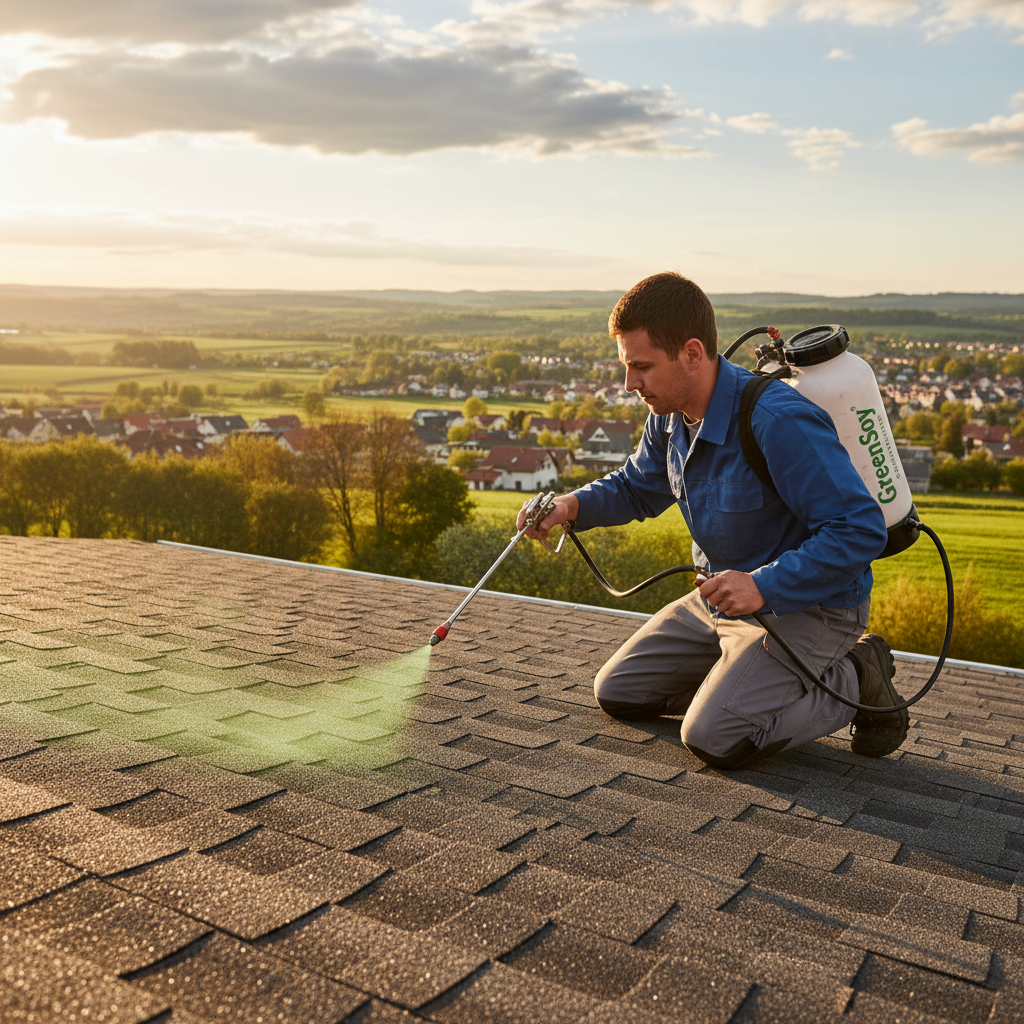
Roof rejuvenation usually “fails” because you used it for the wrong problem. It also doesn’t last when your shingles are already too worn, or the application and conditions aren’t right.
If you’re in Wilmington or nearby coastal communities, you’ve probably heard two extreme takes. It’s either snake oil or it “adds five years,” and folks kick the can down the road. Meanwhile, your roof might still look fine from the yard, replacement quotes feel brutal, and you just want a straight answer on why results vary so much. In this guide, you’ll see what rejuvenation can change (shingle flexibility) and what it can’t touch (flashing and pipe boots), plus the practical reasons timelines shrink on the coast, from wind-driven rain to sun.
When “Roof Rejuvenation Fails” Isn’t Failure

A neighbor swears the spray was one of those roof rejuvenation scams because the ceiling stain came back after the next big storm. The truth is that both of you can be right, depending on what failed.
If you expect rejuvenation to make your roof “stop leaking,” you’ll label it a failure, and I think that’s a bad premise—one of the most common roof rejuvenation failure reasons. Think of it as triage rather than a cure. The goal is to bring back asphalt-shingle pliability. The strongest lab-backed claims in this category focus on pliability, not sealing every water pathway, and “lasts 5 years” often means the shingle material resists drying and cracking longer, not that the whole roof system becomes leak-proof.
Case in point: you get a treatment, then a wind-driven Wilmington rain shows up at a pipe boot or step flashing—a classic roof flashing failure. The spray didn’t suddenly wear off; you just bought the wrong fix for that problem. Ask any provider to state, in writing, what they’re measuring. Also check Better Business Bureau (BBB) ratings and complaint history.
Leaks that return after a storm are often caused by flashing or vent-boot failures rather than the shingle surface itself. Read more in our article: Roof Leaks Chimneys Vents
The #1 Cause of Roof Rejuvenation Not Lasting: The Roof Wasn’t a Candidate
Rejuvenation can’t resurrect shingles that are already physically worn past the point where flexibility is the limiting factor—especially with roof rejuvenation on old shingles. If you’ve got heavy granule loss (especially bare spots or exposed fiberglass) or widespread curling or cupping, the treatment may darken the roof and still buy you almost nothing due to a roof rejuvenation age limit.
Don’t let “it looks fine from the street” decide. Don’t wait for a leak to force the decision. Walk the perimeter and check gutters/downspouts for piles of granules, and look for edges lifting or corners that never settle back down, especially on the south and west slopes that take the coastal sun.
Heavy granule loss is one of the clearest signs the shingle surface is physically worn past the point where a rejuvenation spray can help. Read more in our article: Roof Granules Coming Off
Shingle Problems vs Roof-System Problems
You can spend money on the part of the roof that looks tired and still lose the fight at the parts you barely notice. Most “it didn’t work” stories are really just the wrong battleground.
| What you’re trying to fix | Rejuvenation can help? | What to check/repair instead |
|---|---|---|
| Shingles feel dry/brittle; flexibility is the issue | Yes (conditions shingle surface/pliability) | Confirm shingles still have granules and aren’t physically worn out |
| Leak at flashing/roof-to-wall transition (step flashing) | No | Re-seat/repair/replace flashing details |
| Leak at a penetration (pipe boot, vent flange) | No | Replace cracked boots; re-seal lifted flanges |
| Nail pops or fasteners backing out | No | Refasten and seal the specific fastener locations |
| Poor attic ventilation/heat or condensation affecting deck | No | Correct intake/exhaust ventilation; address moisture sources; inspect decking |
| Soft decking/early rot | No | Deck repair/replacement and root-cause moisture correction |
Rejuvenation affects only the shingles. That’s its whole scope. It won’t re-seat step flashing at a wall, replace a cracked pipe boot, re-seal a lifted vent flange, or fix nail pops that have backed out and opened a tiny water path. In coastal Wilmington storms, wind-driven rain will find those weak spots fast, which makes it feel like the treatment “didn’t last” when the leak was never a shingle-flexibility problem.
Ventilation problems and condensation from below still need their own fix. Soft decking or early rot doesn’t improve just because the surface got sprayed. Before you buy a treatment, require a written inspection of penetrations and flashings, not just the shingle surface.
Application Variables That Shorten Lifespan

Even on a roof that is a candidate, rejuvenation can fade fast when the application gets treated like a quick spray-and-go. Prep and coverage matter because the product has to contact the shingle surface evenly, not sit on top of dirt, algae film, or salty coastal grime—common roof rejuvenation application errors. Then your weather window becomes the silent deal-breaker: high humidity or hot shingles can shorten working time and interfere with drying, so the roof looks “treated” but you don’t get consistent absorption from uneven roof treatment coverage.
To manage that risk, push for specifics. Nextdoor neighborhood recommendations are not enough. Walk away if they can’t explain the basics in plain language. They will nickel-and-dime you.
Coastal North Carolina Accelerants

One 2025 PRI lab summary frames 1,500 hours of accelerated weathering as roughly 5 years of aging. That difference between a controlled model and a real Wilmington roof is where expectations get shaved down fast.
On the coast, “lasts 5 years” often shrinks under faster salt-air wear. Salt haze and airborne grit leave a film that holds moisture and grime, and strong sun and heat bake south- and west-facing slopes. You can do everything “right” and still see the clock move faster here.
Make local exposure a deciding factor rather than a footnote. The juice isn’t worth the squeeze if your roof is a bad fit. When you compare bids, ask how the provider adjusts expectations for your roof’s orientation, tree cover, and distance to the water, and what they’ll do about algae before they spray anything.
Salt air and high humidity can speed up shingle aging and shorten how long a treatment seems to hold up in coastal neighborhoods. Read more in our article: Salt Air Humidity Shingles
How to Decide if It’s Worth Doing
If you do this right, you end up with a simple yes-or-no decision you can defend, even if the answer is “not on this roof,” and you can weigh roof restoration vs replacement. Skip the homework and you’re paying for hope labeled as maintenance.
Start with an inspection mindset, not a price mindset. You’re looking for two green lights: the shingles still have most granules and lie flat, and the roof-system details (pipe boots, vents, flashings, nail pops, ventilation) aren’t the real weak link. If you can’t get a clear “candidate” call in writing, you’re gambling on optimism (and it’s worth reading a cautious homeowner overview like this before you buy).
Then screen the provider like you’re buying measurement, not marketing. Home inspection reports (typical “end-of-life roof” or “granule loss” notes) should match their story. Ask what will improve (pliability vs leak prevention). Ask what conditions disqualify you. Ask what prep, coverage rate, and weather limits they follow. If they won’t answer plainly, you’re not buying roof care, you’re buying a story.
Roof not getting any younger? Contact us at Contact us or call 910-241-1152 to find out where you stand.