Your roof can look “fine” from the driveway and still be one storm, one clogged valley, or one rusty flashing edge away from a costly surprise. In coastal Wilmington-area conditions, asphalt shingle care isn’t about constant treatments or aggressive roof washing. It’s about keeping water moving off the roof and watching the small failure points that cause leaks.
If you’re trying to buy time on a 10 to 25-year roof, avoid an insurance headache, or just kick the tires on the black streaks and algae, you’re in the right place for asphalt shingle maintenance. You’ll learn what “normal aging” looks like here and how to inspect safely without walking the roof.
What “Normal Aging” Looks Like Here

In coastal Wilmington-area conditions, “normal” asphalt shingle aging usually shows up as gradual color fading from sun and a light dusting of granules in gutters after heavy rain. None of that automatically means you’re leaking. It does mean your roof is sailing rougher seas than the average how-to article assumes.
What’s not normal is anything that suggests the shingle surface or water-shedding details are failing: bare spots that look like exposed fiberglass or curled edges. Even when everything looks fine from the driveway, a single storm can still expose a weak point and turn into a costly surprise.
A Safe Inspection Routine You’ll Actually Follow
A homeowner spots a tiny lifted tab from the ground after a windy night, snaps a photo, and fixes it before the next storm turns into a ceiling stain. That’s the whole game.
Set a simple cadence: check in early spring and late fall, then do an extra inspection after any named storm or major wind event. The goal isn’t monthly upkeep. It’s catching small shifts early enough that they don’t become a leak or an insurance headache.
Do your check from the ground with binoculars, or from the top of a ladder at the eave, not by walking the roof, especially once it’s 10+ years old (as outlined in CertainTeed’s homeowner roof maintenance guidance). Consumer Reports-level advice is clear on this. Look for missing tabs and exposed nail lines. Snap a few photos from the same spots each time so you can tell what’s new.
In coastal wind events, the most important inspection is the one you do right after a storm, before a small lifted tab turns into a leak path. Read more in our article: Roof Problems After Hurricane
The Five Red Flags That Mean ‘Call Someone’
| Red flag | What it looks like | Why it matters |
|---|---|---|
| Wind damage asphalt shingles | Missing or creased shingles after wind | Can open water paths and worsen quickly in the next event |
| Loss of seal/fastener protection | Lifted edges or exposed nail lines | Increases leak risk and wind vulnerability |
| Surface failure/granule loss | Bare spots that look like fiberglass, or widespread heavy granule loss at downspouts | Signals the protective surface is failing and shedding material |
| Metal detail failure (common in salt air) | Rusted, separated, or flapping metal at drip edge/flashing | Water-shedding details can fail even when shingles look “fine” |
| Interior moisture signs | Ceiling stain, damp attic sheathing, or daylight where it shouldn’t be | Indicates active intrusion or openings that need prompt diagnosis |
Asphalt Shingle Care Basics: Water, Drainage, Debris
You spend an hour clearing the boring stuff and the roof stops giving water places to linger, back up, or sneak sideways. Most “roof problems” never get a chance to start.
Roof leak prevention comes down to one priority: keep water flowing off the roof. Don’t let wet debris camp out on it. In our humid, algae-friendly coastal air, damp debris is like a wet towel on sandpaper for shingles. Backed-up water finds the fastest path to decking and nail lines.
Once or twice a year, clear valleys and gutters. If your “maintenance plan” is mostly roof washing, you are doing it backwards. Nextdoor will still argue about it.
In a humid coastal climate, clogged gutters and packed valleys can force water to back up under shingles instead of shedding cleanly off the roof. Read more in our article: Safely Clean Gutters
Black Streaks and Algae: What’s Happening and Why It Returns

Those black streaks on roof surfaces in shaded or north-facing areas usually aren’t “dirty shingles” as much as algae discoloration: the organism leaves behind a dark, protective staining that simple rinsing won’t remove. In humid, salt-tinged coastal air where roofs stay damp longer, it’s normal for staining to come back even after it’s cleaned, because the conditions that helped it grow didn’t change.
The mistake is treating algae like a Band-Aid fix. Industry guidance is blunt that aggressive methods like high-pressure washing can damage shingles. Even correctly done cleaning is a coat of makeup, not a permanent fix. What you can do differently is decide up front whether you’re chasing appearance for an HOA or listing, or you want fewer repeat disruptions.
Even with proper soft washing, algae discoloration often returns because the roof’s shade and moisture conditions haven’t changed. Read more in our article: Roof Algae Returning
Cleaning Asphalt Shingles Without Damaging Them
You finally pay to get the streaks off, then the next windy rain lifts tabs that used to lay flat and you are left wondering what changed. On shingles, the wrong cleaning method can create the problem you were trying to avoid.
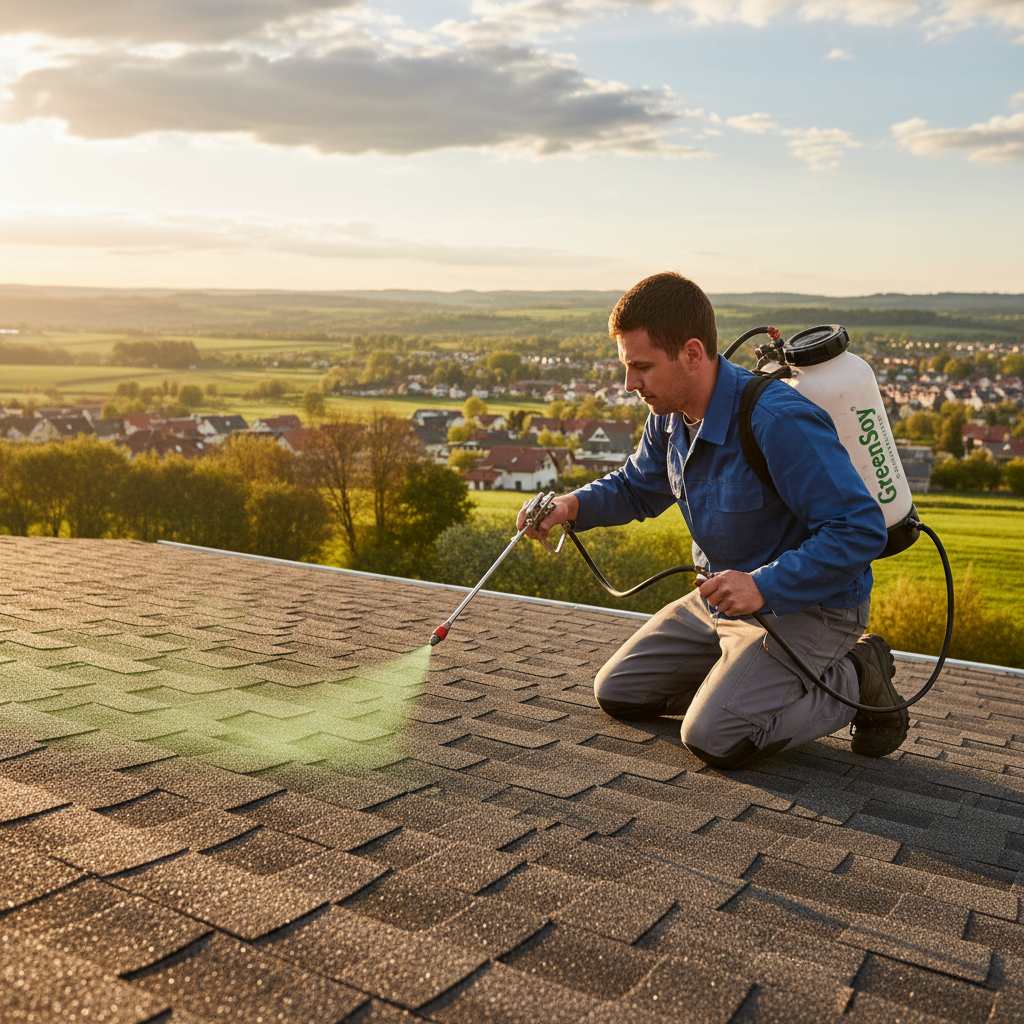
If you decide to clean, the big risk isn’t the cleaner you choose. It’s the force you use. With high-pressure washing or hard scrubbing, you can strip granules and compromise the adhesive seal that gives shingles wind resistance. That’s how a roof goes from “just ugly black streaks” to “why do I have tabs lifting after the next storm?” and I do not care what a contractor’s Google Maps reviews say. If you want asphalt shingle care that extends life, treat cleaning like detailing a classic car. Use controlled, low pressure, not a driveway-washing project.
Manufacturer and industry guidance generally points you toward soft wash roof cleaning or low-pressure application and rinse, and away from pressure washing for algae removal. A common example recipe used in technical guidance is a mix of 4 gallons water + 1 gallon household bleach + 1 cup TSP (or a phosphate-free substitute), applied with a garden sprayer, allowed to dwell, then rinsed gently. You’re relying on dwell time and a gentle rinse, since algae staining doesn’t come off with a quick rinse.
Use these constraints to keep yourself and any contractor honest:
-
No pressure washing. If they show up with a pressure washer wand as the main tool, stop the job.
-
Don’t walk the roof to clean it, especially at 10+ years. Inspect from the ground or ladder; hire out cleaning if access requires foot traffic.
-
Control runoff. Pre-wet and protect landscaping, and don’t let bleach-heavy runoff pour into one bed line. In Wilmington-area lots, plant damage is often the first sign the crew cut corners.
-
Expect recurrence. Even perfectly done cleaning often resets appearance temporarily, so don’t keep escalating intensity to “make it last.”
A quick gut-check that saves money: if an HOA or a pending listing pressures you to “make it look new,” buy once, cry once. You still don’t get to trade roof life for speed. You can ask one simple question before you schedule anything: How will you apply and rinse at low pressure, and what steps will you take to prevent granule loss and runoff damage? If the answer is vague, keep looking.
Prevention Choices That Reduce Repeat Cleanings
If you’re tired of paying to “reset” black streaks, stop treating algae like a cleaning schedule and start treating it like a growth condition you can weaken. In coastal North Carolina, the durable wins come from prevention, not stronger chemicals. HomeAdvisor and Angi pitches won’t change that.
Your most repeatable options are: trim back shade and improve drying, add zinc or copper inhibitor strips near the ridge, or choose shingles with built-in algae resistance.
Repair vs Rejuvenate vs Replace: Making the Call
A seller hears “your roof looks old” and panics into the most expensive option, even though the real issue was a small flashing detail. A calmer decision starts with a simple triage—roof cleaning vs roof rejuvenation—based on how well it sheds water, and how widespread the failures really are.
You don’t need a roofer’s brain to make a solid first-pass decision, and anyone insisting otherwise is selling something. Use this filter: Is the roof still water-shedding reliably, or is it a colander now? In coastal North Carolina, it’s easy to get distracted by black streaks or fading while salt air eats at flashing and edges, so don’t let “it looks OK” be your standard.
If the roof is under ~15 years and you’re seeing one-off issues (a few wind-damaged tabs or a small flashing separation), do it right the first time. Default to repair. If it’s roughly 10–25 years, you have no active leaks, and the roof is aging but still structurally sound, rejuvenation can make sense when your goal is to buy time and reduce the chance you get forced into an urgent replacement. If you’re seeing multiple red flags across multiple areas, recurring leaks, or widespread shingle failure, lean replace, especially if your risk tolerance is low going into storm season or an insurance renewal.
FAQ
Can I Pressure Wash an Asphalt Shingle Roof?
Don’t. Industry and manufacturer guidance warn that high pressure can strip granules and break the seal that helps shingles resist wind. It can shorten roof life fast.
Do Black Streaks Mean I Need a New Roof?
Not by themselves when deciding when to replace asphalt shingles. They aren’t a reliable replacement signal. In our humid coastal conditions, algae staining is often mainly cosmetic and tends to return, so base big decisions on damage signals like lifted tabs, exposed nail lines, bare spots, or leaking.
Should I Walk on My Roof to Inspect or Clean It?
Skip it, especially once the roof is 10+ years old, and ignore the macho advice you hear in The Home Depot roofing aisle. Use binoculars from the ground or check from the top of a ladder at the eave to avoid cracking shingles.
Can I Clean It Myself With Bleach?
You can, but only with a controlled, low-pressure approach and careful runoff protection for landscaping. If the roof pitch, height, or access makes you tempted to climb around, hire it out instead.
How Often Should I Inspect or Clean My Roof?
Inspect in spring and fall, plus after any named storm. Clean only when growth or staining creates a real need (HOA, listing, heavy algae), not as a routine that escalates over time.
Roof not getting any younger? Contact us or call 703-673-6301 to find out where you stand.Not sure where your roof stands? HardShore’s free Wilmington roof inspection settles it with a written report, no charge.