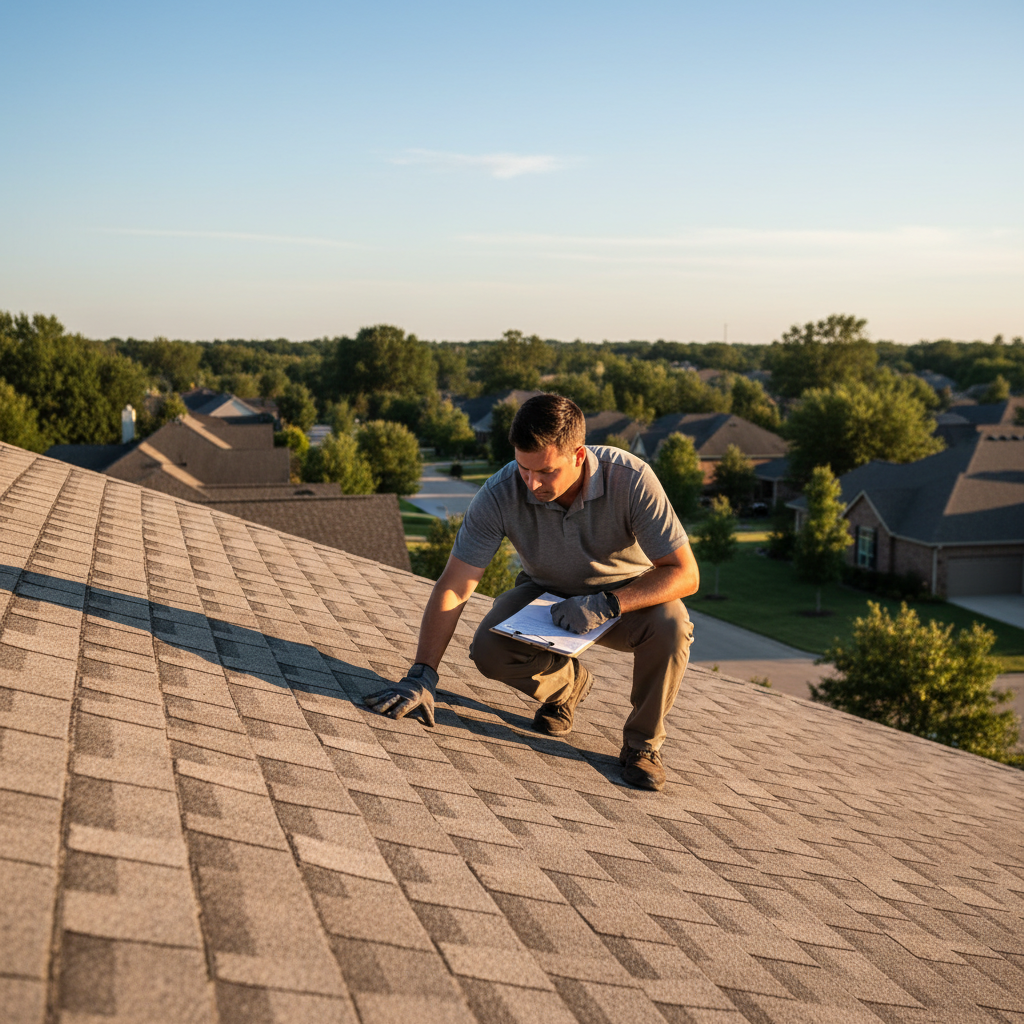
You’re seeing contradictory sealing timelines because “sealer” can mean different products used at different stages. In salty, humid coastal North Carolina, the best all-around choice for exposed-aggregate concrete is usually a breathable penetrating silane/siloxane sealer, while a topical acrylic makes sense mainly when you want a wet-look finish and you’re willing to manage the added risk and upkeep.
What matters most here isn’t a magic day count or a single “best brand.” Focus on three checks: confirm the slab is dry, decide on breathable penetration vs a film, and be honest about the maintenance you’ll take on after the first coat. Get those three right, and you’ll avoid the usual coastal headaches. It’s like sealing in a raincoat over a damp slab: milky whitening and peeling will broadcast on textured aggregate.
| Factor | Penetrating silane/siloxane (breathable) | Topical acrylic (film-forming) |
|---|---|---|
| Best when you want… | Low-maintenance protection + natural look | Wet-look/color pop appearance |
| Breathability on humid slabs | High (soaks in; no surface film) | Lower (can trap vapor under film) |
| Coastal failure risk (whitening/peeling) | Lower by default | Higher if slab/cure conditions aren’t ideal or coats are heavy |
| Traction on exposed aggregate | Typically preserves existing texture/skid resistance | Can get slicker with higher gloss/film build |
| Maintenance cadence | Less frequent re-seals | Periodic re-seals (often 1–3 years) |
Best Overall For Coastal NC: Breathable Silane/Siloxane Penetrators
If you want the safest bet near Wilmington, start with a penetrating silane/siloxane coastal concrete sealer. It’s the Consumer Reports-style pick for coastal slabs. Because it penetrates the pore structure rather than building a film, it keeps vapor moving instead of trapping it at the surface (see a manufacturer description of silane/siloxane water repellents as non-film-forming/breathable). In salty coastal humidity, slabs can retain moisture long after the surface looks ready. A film can lock that vapor in, and the result is the milky whitening or peeling that stands out on exposed aggregate.
You also don’t have to trade durability for traction with a sealer for pool deck exposed aggregate (a 100% silane product data page reports no change in skid resistance in stated testing). Penetrators typically don’t change skid resistance the way a glossier “wet look” coating can, which makes them a better default for pool decks and textured aggregate where you actually walk barefoot.
What you can do differently: choose a silane/siloxane penetrator when your priority is low-maintenance and salt and water repellency, and only chase shine if you’re willing to accept more application sensitivity and more frequent re-seals.
Penetrating sealers are often the easiest way to reduce water absorption without changing the look or making textured concrete feel slick. Read more in our article: Concrete Penetrating Sealer
When a topical acrylic still makes sense
Choose a topical acrylic when appearance is the priority and you’re willing to trade simplicity for a film finish. If you want that wet-look color pop on exposed aggregate for a front-walk or entertaining patio, and you can reliably seal on a truly dry slab with a clean multi-day dry forecast, a quality water based acrylic concrete sealer can deliver the look penetrators won’t.
You just need to admit what you’re buying: a maintenance cycle, plain and simple, and a higher risk of visible defects in coastal humidity. If you’re hoping it’s set-it-and-forget-it, the juice isn’t worth the squeeze. Expect a re-seal cycle (often every 1–3 years) and keep coats light (see a manufacturer tech bulletin on whitening/blushing in water-based acrylic sealers tied to moisture, humidity, temperature, and heavy coats). Most failures start with thick application or sealing while the concrete still has moisture, especially in coastal humidity. Those issues usually show first in tire paths and pool-deck traffic lanes.
Acrylics can look great, but moisture or heavy coats commonly show up later as cloudy “blushing” or peeling in humid climates. Read more in our article: Acrylic Concrete Sealer
Application Rules That Prevent Whitening, Peeling, And Slickness
Seal on a slab that only looks dry, and coastal humidity can turn your “finished” aggregate into a patchwork of milky haze and shiny slick spots. A few small timing mistakes are all it takes for the surface to advertise them for years.
If your aggregate has already gone milky or hazy, it usually points to trapped moisture or a film-forming sealer problem rather than “dirty concrete.” Read more in our article: Exposed Aggregate Concrete Whitish Cloudy
Most “bad sealer” outcomes in coastal NC come from timing and over-application, not the label on the can. The Pro Desk won’t save a sloppy application. Exposed aggregate also magnifies mistakes: a little trapped moisture becomes a big milky patch, and a little extra film becomes a slick, shiny high spot on the stones.
Use these rules to keep results predictable:
-
Treat “dry” as a condition, not a date. Let new concrete cure (often 28+ days) and make sure it’s completely dry, including after pressure washing (a full 24+ hours is a common minimum, longer in humid weeks).
-
Build a real weather window. Seal only with a multi-day dry forecast and avoid high humidity and cool temps; acrylics in particular can blush or whiten when cure conditions are wrong (don’t push it near 50°F).
-
Go thin, especially with acrylics. One of the fastest ways to get whitening and later peeling is laying on heavy coats to “make it last.” Thin, even coats win.
-
Respect traction and texture. On exposed aggregate and pool decks, pick a system that won’t add a slick film, and avoid chasing maximum gloss where people walk barefoot.