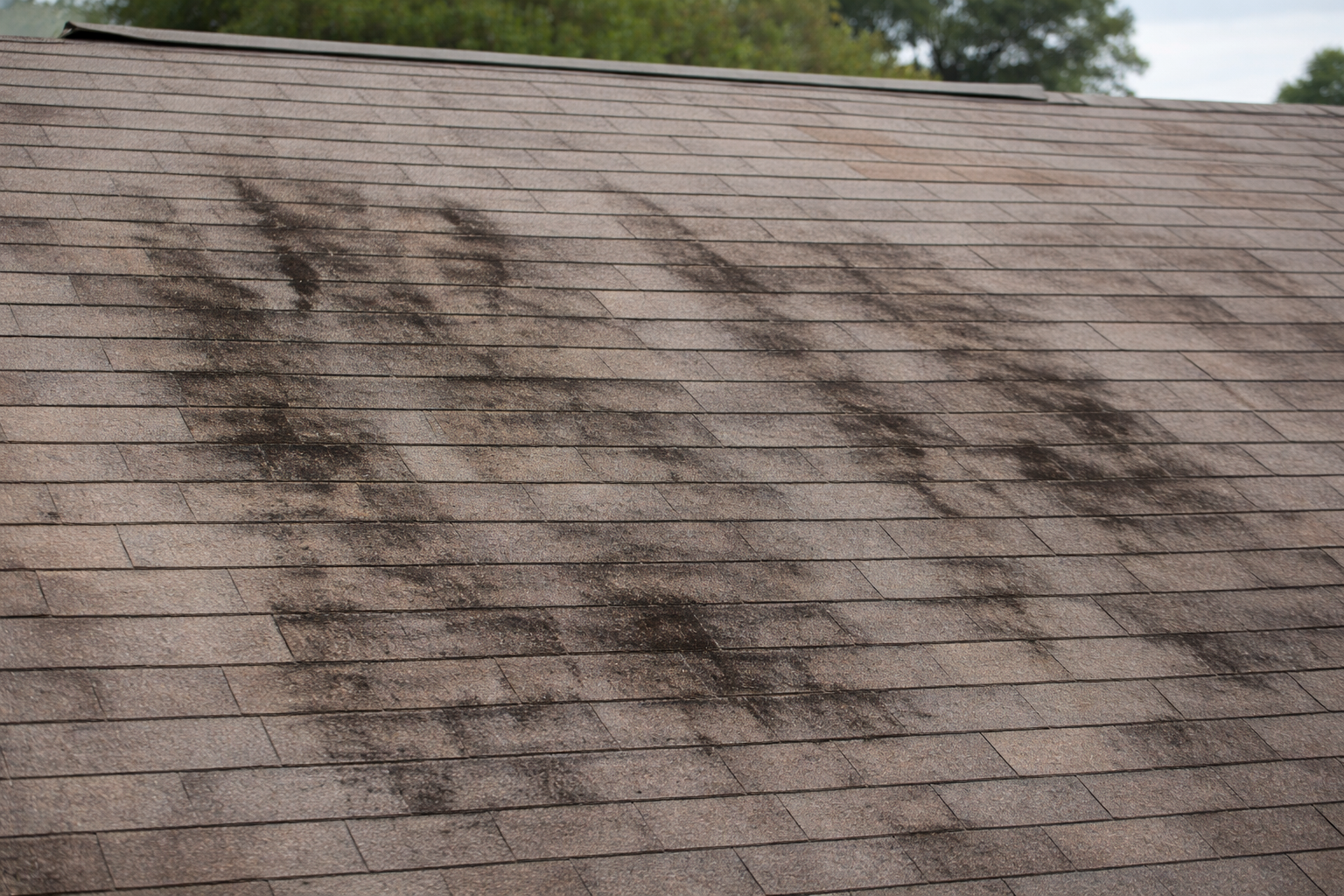
You don’t usually Google “fix leaky roof” on a calm afternoon. You search it when rain’s hitting hard, a stain is spreading, and you’re trying to stop the damage without doing something that makes the repair harder or the situation unsafe.
This guide helps you get control quickly, then make smart next moves. You’ll start by containing the water from inside (because that buys you time and can prevent a ceiling collapse). Then you’ll learn why the drip point rarely matches the roof entry point, especially in wind-driven rain. From there, you’ll be able to choose the right level of fix, from a temporary patch to a targeted repair to a broader restore-or-replace decision, and you’ll know what to ask a roofer so you’re not paying for guesses.
Stop the Water Safely
Your first job isn’t to pinpoint the exact cause for an emergency roof leak repair. It’s stopping interior damage and getting someone out here ASAP. A lot of “mystery leaks” drip near a light or seam. The entry point can be several feet away, so think triage, not treasure hunt.
In the next 15 minutes, do this from inside:
-
Shut off power to any wet ceiling area or fixtures at the breaker if water is near lights or outlets.
-
Catch and divert water: put a bucket under drips and lay towels. If you can access the attic safely, set a pan under the drip and run a hose into a larger container.
-
Relieve a bulging ceiling (only if it’s sagging): poke a small hole in the lowest point with a screwdriver and let it drain into a bucket to prevent a sudden drywall collapse.
-
Move valuables and protect flooring with plastic sheeting.
-
Take quick photos for your records before you start wiping everything down.
Once the active dripping is controlled, you can decide whether to wait for a normal appointment or pay an emergency premium.
Why the Drip Lies
You can do everything “right” and still chase the wrong spot, because roof leak detection starts with knowing the first visible drip is often the last place water decides to exit. Follow the stain instead of the water’s path, and you can pay for a repair that never touched the real entry point.
Water almost never drops straight down. It takes detours. Once it gets under your shingles, it can run along the underside of the roof deck or follow a rafter like a gutter, then show up at the weakest exit point inside, like a drywall seam or a can light. Staring at the stain is a waste of time, like a Nextdoor neighborhood post guessing the culprit.
For example, a tiny opening at a pipe boot can let water in upslope, but you may not see a drip until it hits framing and runs downhill to the nearest opening. In heavy rain or wind-driven rain, that path gets worse: water pushes under shingle edges when the seal strip is compromised, so the leak “mysteriously” appears only during big storms, not drizzle.
Instead of trying to match ceiling spot to roof spot, describe the leak in a way a roofer can actually use for roof leak troubleshooting:
-
When it happens: only heavy rain or every rain
-
Where it presents: seam, light fixture, chimney wall, window header, or attic hatch area
-
What you see in the attic (if safely accessible): wet decking streaks, a damp rafter line, or compressed/wet insulation that’s offset from the interior drip
The Few Places Roofs Fail

Most roof leaks don’t come from a random “bad shingle in the middle.” They start where the roof changes direction, gets penetrated, or relies on a thin seal to keep wind-driven rain out. Keep hunting one hole and you just kick the can down the road.
Start by looking at transitions when you’re thinking about roof flashing repair. Flashing is the metal (or membrane) detailing that bridges joints, and when it lifts, corrodes, or gets installed wrong, water gets a clean path into the deck. As an example, a chimney or sidewall can look fine from the yard, but one bent step-flashing piece or a failed counterflashing joint can send water behind shingles and into the sheathing.
Next, treat rubber boots and small penetrations as high-probability suspects for vent pipe boot replacement. Pipe boots and vent stacks fail when rubber cracks or fasteners back out. For instance, a tiny split on the upslope side of a plumbing vent boot can leak only when rain comes in hard, because the water load finally overwhelms that weak edge.
Valleys concentrate water. Small defects act big.
Chimneys, vents, and other roof penetrations are some of the most common entry points for leaks because they rely on layered flashing and seals that can fail over time. Read more in our article: Roof Leaks Chimneys Vents Leaves and grit can slow drainage, and a small gap at a valley edge or nail line can show up as an “only in heavy rain” leak.
Finally, don’t ignore shingle seal strips. In coastal North Carolina, wind can push rain up and under shingle edges when the adhesive strip never bonded well or has aged out. When you talk to a roofer, ask them to inspect and photo-document flashing details, boots, valleys, and shingle sealing near the leak area, not just look for missing shingles.
Heavy-Rain-Only Leaks Explained
A homeowner goes months with no issues, then one windy downpour leaves a fresh ceiling mark and everyone calls it “random.” It is not random. It is pressure, volume, and one weak detail finally getting tested.
If your roof leaks only in big storms, it’s usually pressure, volume, and one weak detail finally getting tested. In heavy rain, water volume rises fast. Wind pushes it up-slope and sideways under tired seal strips. Around Wilmington, salt air and humidity can pre-weaken asphalt and adhesives, then a windy downpour exposes the weak spot.
Don’t treat that as proof. Consumer Reports would not, and neither should you. Ask your roofer to check and photo the shingle seal strip bonding and the overlap details at nearby flashing and boots, because that’s where storm-pressure water sneaks in.
Fix Leaky Roof Options: Repair vs Restore vs Replace
The best fix depends on whether you’re dealing with one bad detail or a roof system that’s starting to fail. It depends on one bad detail versus a system starting to fail, like one rotten porch post. In coastal North Carolina, salt air and wind-driven rain punish seal strips and flashings, so a “small leak” can be your first signal that the roof is becoming repeat-prone.
| Option | Best fit when | Common indicators in this guide | Goal |
|---|---|---|---|
| Repair | You can point to a likely single source and the surrounding shingles still flex instead of cracking. | One pipe boot, one flashing run, or a small valley issue; access/detail complexity can raise cost. | Stop today’s leak with a targeted fix. |
| Restore (roof rejuvenation) | The roof is aging but not failing. | Shingles look dry/brittle; seal strips feel weak in storms; no widespread missing tabs or soft decking. | Reduce future leaks and extend service life. |
| Replace | Leaks repeat or multiple areas are failing. | Shingles break when handled; multiple weak areas; repeated “one more patch” cycle with interior damage risk. | Reset the system when repairs won’t stay durable. |
If you’re debating whether a targeted repair will hold or you’re entering a cycle of repeat leaks, the roof’s overall condition matters as much as the single failure point. Read more in our article: Roof Restoration Vs Replacement
What It Should Cost, and Why It Swings

Many cost guides put small asphalt-shingle leak repairs in the roughly $150 to $600 range, but roof leak repair cost can change the math fast with urgency and access. Emergency timing alone is often quoted at about a 25% to 50% premium.
Simple access often lands in the low hundreds ($150 to $600). Diagnosis and flashing work can push it closer to $900 to $1,000.
The swing usually isn’t about how dramatic the ceiling stain looks. It’s about where the water is getting in and how hard it is to work there. A simple field repair near the eave can be quick; a leak tied to a valley, chimney, or sidewall flashing tends to cost more because it’s detail work that has to be watertight, not just “patched.” Pitch and height matter too: a steep roof or a two-story run commonly adds noticeable labor, and rush timing can tack on a premium (often quoted around 25%–50%).
A quote that doesn’t clearly say what’s included isn’t worth much, even if Angi (Angie’s List) reviews look great. Ask which bucket it’s in and whether it includes a water test or photos.
How to Choose a Roofer in Wilmington for roof inspection Wilmington NC
You get a written scope, clear photos of the exact failure, and a repair that survives the next coastal blow. That only happens when the contractor is set up to diagnose first and sell second.
This is about hiring a roofing contractor in Wilmington, NC who can diagnose the entry point and fix it the right way. You want a scope that doesn’t grow by surprise charges. You’re hiring someone to find the entry point and prove the fix, because a rushed guess can buy you a dry week and then another ceiling stain in the next nor’easter.
When you call, ask for photo documentation and a written scope. Then ask for a clear warranty on the repair work. If they can’t show you pictures from your actual roof, you’re paying for confidence, not diagnosis.
Red flags: they lead with “we’ll just seal it from the inside,” they won’t put the repair area and materials in writing, or they pressure you into same-day replacement when you asked for a leak repair. Case in point: if a crew gives you a price from the driveway without checking the attic or getting eyes on the flashing run, you should expect repeat visits, not a durable fix.
A proper inspection should document the suspected entry point with photos and explain what was tested so you’re not paying for guesswork. Read more in our article: Roof Inspection Wilmington Nc
FAQ
Can You Fix A Leaky Roof From The Inside?
You can manage water from the inside, but you can’t reliably repair the entry point from below because water often travels along decking and rafters before it drips. Use interior steps to prevent ceiling damage, then have the exterior defect (often flashing, a boot, or a shingle detail) repaired.
Should You Pay For An Emergency Leak Repair?
Pay the emergency premium when water is actively spreading, dripping near electrical, or you can’t contain it. If you’ve stabilized the leak with buckets and a safe diversion, scheduling a standard appointment often avoids a 25%–50% rush markup.
Will Caulk Or Roof Cement Stop The Leak For Good?
Usually not, and it can make the real repair harder by trapping water or interfering with flashing details. If your plan is “just seal it,” you’re betting your ceiling on the one thing roof leaks rarely are: a single clean hole.
What Should You Document Before The Roofer Arrives?
Take photos of the interior stain/drip and the date and weather conditions. Ask for photos of the exterior source and the repaired detail so you can confirm what actually got fixed.
When Should You Call Insurance?
Call when you suspect storm-related damage (wind or impact) or you have significant interior water damage from roof leak, not just a small stain. If the roof is simply worn out, insurance often won’t treat it as a covered event, so you’ll want a clear contractor diagnosis first.
Roof not getting any younger? Contact us or call 703-673-6301 to find out where you stand.