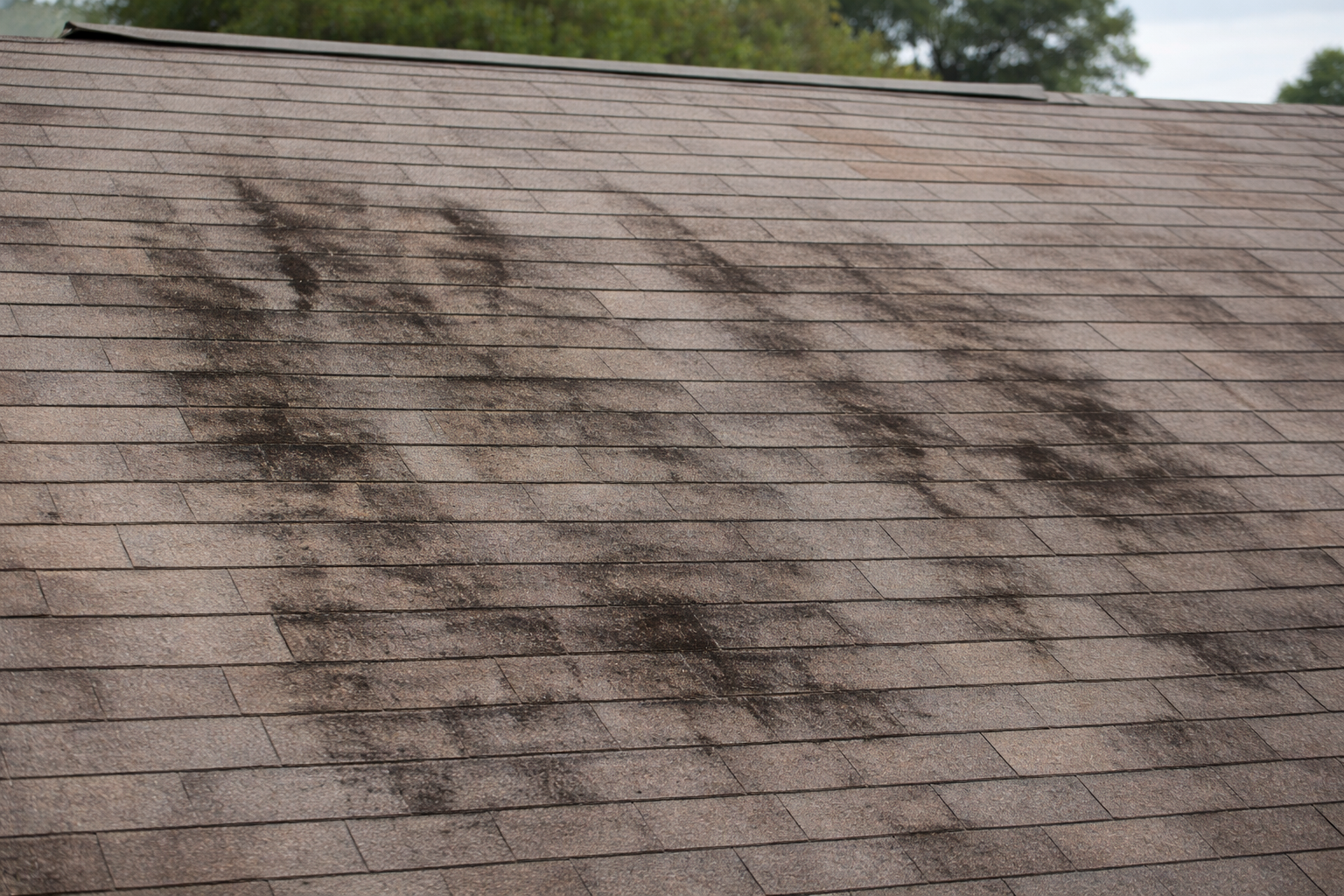
Yes, sometimes you can restore your roof instead of replacing it. You need the shingles and key details to still be sound. If they’re failing roof-wide, you’ll need replacement.
If you’re in Wilmington, “not leaking” can fool you, because wind-driven rain finds weaknesses fast. In the sections below, you’ll learn how to judge the whole roof system, not just whether you’ve seen water inside, so you can tell when a targeted restoration (repairs and detail work, and possibly a rejuvenation treatment) makes sense and when you’re only delaying the inevitable.
The real question: is the roof still sound?

A roof can go a long time without dripping into your living room and still be on the edge. “Not leaking” often just means water hasn’t found an easy path yet, which matters a lot less in Wilmington when you get wind-driven rain that pushes water sideways under aging shingles.
What you’re really deciding is roof restoration vs replacement, whether the whole system still sheds water reliably. Otherwise, you’re kicking the can down the road, like patching one loose tab on a roof-wide uplift problem: shingles that still seal and hold granules and flashing that stays tight at chimneys and walls. For example, you might have no stains inside, but if the shingle edges feel brittle and the pipe boots are splitting, you’re not looking at a cosmetic issue, you’re looking at a roof that’s starting to fail under storm conditions.
Fast Triage: Restore, Repair, or Replace
If you want a straight answer without getting talked into a full tear-off, you need a quick filter that turns roof condition into a decision.
Use two inputs: roof age and how widespread the wear is.
| Likely call | Typical roof age (roof life expectancy asphalt shingles) | Wear pattern | Condition / signals |
|---|---|---|---|
| Repair | Under ~10–12 years | Isolated | Wear is isolated (not roof-wide). |
| Restore (rejuvenation + repairs) | Roughly ~10–18 years | Mostly localized | Shingles still lie flat and seal; a documented rejuvenation plus a few repairs can make sense. |
| Replace | ~18–25+ years | Roof-wide | Wear is roof-wide, even if you haven’t seen a drop inside. |
Under ~10–12 years with isolated wear usually points to repair. If you’re roughly ~10–18 years and the shingles still lie flat and seal, a documented rejuvenation plus a few repairs can make sense. At ~18–25+ years or with roof-wide wear, replacement is the realistic call even without interior water.
Don’t let “no leaks” override the signals that matter in coastal rain.
Rejuvenation is most defensible when the shingles are still lying flat and sealing and you’re fixing the weak details (like pipe boots and flashing) at the same time. Read more in our article: Roof Rejuvenation Vs Replacement That mindset is flat-out wrong, and it’s how people end up trusting an Angi (formerly Angie’s List) listing over the roof itself: widespread granule loss and lifted or brittle shingle edges.
What “roof restoration” means for shingles

For an asphalt shingle roof, “restoration” usually means you’re extending usefulness without tearing everything off. In practice, that’s targeted repairs (replacing a few missing/damaged shingles) and detail work that stops common leak paths (pipe boots and flashing touch-ups) as part of a roof rejuvenation treatment. Sometimes it also includes asphalt shingle roof rejuvenation meant to improve flexibility and slow drying and cracking, but it is only buying some time, like putting conditioner on weathered asphalt so it bends instead of snapping.
What it isn’t: a way to make a worn-out roof “like new” or hide roof-wide granule loss. If someone talks about restoration as a reset button, push back, because once the field shingles are failing broadly, you’re past maintenance and into replacement planning, even if you haven’t seen leaks yet.
If your roof is pushing the upper end of its expected service life, “still not leaking” is often just a timing issue, not proof the system is healthy. Read more in our article: Wilmington Roof Too Old
Coastal North Carolina Deal-Breakers
You can make it through a mild season thinking everything is fine, and then one sideways rain turns a few lifted tabs into a soaked deck and an emergency call.
In Wilmington, you don’t get to judge an older shingle roof only by whether it leaks on a calm day. Wind-driven rain can push water under slightly lifted tabs, and salt air roof damage accelerates metal flashing and fastener corrosion.
Treat restoration as unlikely if you’ve got a recent hurricane-level event or repeated blow-offs after nor’easters, and it’s irresponsible to ignore that just because your Google Reviews look great. If your roof has needed “just one more” emergency patch after multiple storms, that’s your signal to stop betting on extension and start planning a controlled replacement.
Even before you see stains inside, early warning signs often show up on the roof system first (like subtle flashing failures and small water paths that only show during storms). Read more in our article: Early Roof Leak Signs
Cost, lifespan, and the paperwork that can sway it
The U.S. disposes of about 11 million tons of asphalt shingles each year, and only a fraction gets recycled into roads, which makes premature tear-offs more consequential than most homeowners assume.
If your roof qualifies for restoration, you’re usually paying for a shorter extension at a smaller check, roof replacement cost vs restoration. It is not a new-roof substitute, and if the scope starts nickel-and-diming me, it’s like repainting rusty flashing instead of replacing it. Think in terms of buying time for a home sale, a planned remodel, or to avoid an emergency tear-off during storm season. If someone is selling you “another 15 years,” treat that like a sales pitch, not a plan.
Documentation can help: before-and-after photos and a dated invoice may help with short-term underwriting conversations and an annual roof inspection trail, but you can’t count on insurer credit. See this independent discussion of rejuvenation treatments and underwriting for context. And don’t assume replacement is automatically “green enough.” With only a fraction of shingle waste recycled, extending roof life can meaningfully reduce landfill burden (see CDRA’s shingle recycling totals).
Contact us for a free inspection or call 703-673-6301 to find out where you stand.
For a local answer instead of a national average, HardShore’s roof rejuvenation for Wilmington homes quotes free with no pressure.