You’re trying to figure out how long pressure washing lasts on your home. In Wilmington’s humid, coastal conditions, it can last from a few months to a few years.
It depends on the surface (siding vs concrete) and what you mean by “lasts” (how long does power washing last varies the same way). If the wash only rinsed off surface grime, shaded areas can start looking dingy again fast. If the process kills algae and mildew and you keep damp, debris-prone spots from staying wet, the clean look can hold much longer. This guide breaks down realistic timelines by surface and explains the local factors that shorten or extend them so you can plan a maintenance cadence that fits your house and budget.
How Long Does Pressure Washing Last?
In coastal Wilmington-area humidity, pressure washing “lasts” anywhere from a few months to a few years, depending on the surface and what you mean by lasts. A rinse-only clean can look great right away but fade fast when algae and mildew weren’t killed. That’s the million-dollar question. Even if two homes are washed the same week, one can look dingy again by late summer if a damp area never dries out.
As a baseline, many homeowners see roughly 3–12 months on siding and other shaded, organic-growth-prone areas, while concrete and pavers often hold a brighter look 1–3+ years if you keep leaves and dirt from sitting wet—your pressure washing results duration depends heavily on what stays damp. Roofs are the wildcard: if you “blast” stains off, they can reappear quickly, but a roof-safe soft-wash approach that targets growth can last much longer.
| Surface | Typical Wilmington-area “clean look” timeline | Tends to fade faster when… | Holds longer when… |
|---|---|---|---|
| Siding (vinyl/painted/fiber cement) | ~3–12 months (often shorter on shaded sides) | Rinse-only cleaning; persistent shade; damp spots near gutters/downspouts; dense landscaping | Growth is killed (soft-wash/house-wash step); surfaces dry out; damp/debris-prone areas are kept from staying wet |
| Concrete / pavers | ~1–3+ years | Leaves/dirt sit wet; porous/older materials stay dark when damp | Kept clear of leaves/dirt so grime doesn’t sit wet; sound surfaces that can be cleaned without scarring |
| Roof (shingles/tiles) | Wide range (method-dependent) | High-PSI “blasting” that removes stains but doesn’t control regrowth; roof damage (granule loss/water intrusion) | Roof-safe soft-wash treatment that targets organic growth rather than relying on high PSI |
If you’ve been treating pressure washing like a once-a-year reset for everything, your results won’t match your expectations.
Roof staining can be a sign of active organic growth that reappears quickly if the cleaning method only removes discoloration without stopping regrowth. Read more in our article: Roof Staining Growth Risks
What Makes Results Fade Faster Here
In Wilmington and the nearby beach communities, the main issue often isn’t “dirt,” and treating it like dirt can keep you stuck in a loop. It’s how often your exterior stays damp while new organic growth keeps getting re-seeded. Warm, humid air plus frequent rain means shaded walls and roof slopes don’t dry fast, so algae and mildew rebound quickly after a rinse-only wash. Add the coastal layer: salt air can leave a faint film that grabs grime and helps surfaces look dull again, even when you didn’t “do anything wrong.”
To illustrate this, a south-facing vinyl wall in full sun might stay presentable for a season, while the north side behind shrubs starts showing green speckling again within a few months because it never really bakes dry. That’s why “once a year” can feel like it works on the front and completely fails on the back.
You can usually predict a shorter-lasting result if you see any of these on a walk-around:
-
Persistent shade or tree canopy (especially north-facing siding and roof sections)
-
Surfaces that stay wet: near downspouts, under dripping gutters, behind dense landscaping
-
Near-beach exposure: a light salty haze on windows/railings, faster dulling after storms
-
Porous materials (older concrete, mortar, unsealed pavers) that darken when damp and feed staining
If those flags describe your home, you’ll get more mileage from a process that kills growth (often a low-pressure soft-wash approach) rather than relying on pressure to “erase” it for the weekend.
Pressure Wash vs Soft Wash Longevity

Industry guides commonly claim soft-wash results on algae and mildew can last 4–6× longer than a rinse-only pressure wash. That difference is why two houses can look identical on cleaning day and totally different by the end of the season.
“Pressure washing” and “soft washing” can both make your house look clean today, but they tend to stay clean for different reasons. High-PSI washing mainly wins by force: it strips off the visible film and surface grime. If the discoloration is mostly algae or mildew, that approach can leave living spores behind in pores, seams, and lap lines, so the green or gray haze rebuilds fast in coastal humidity.
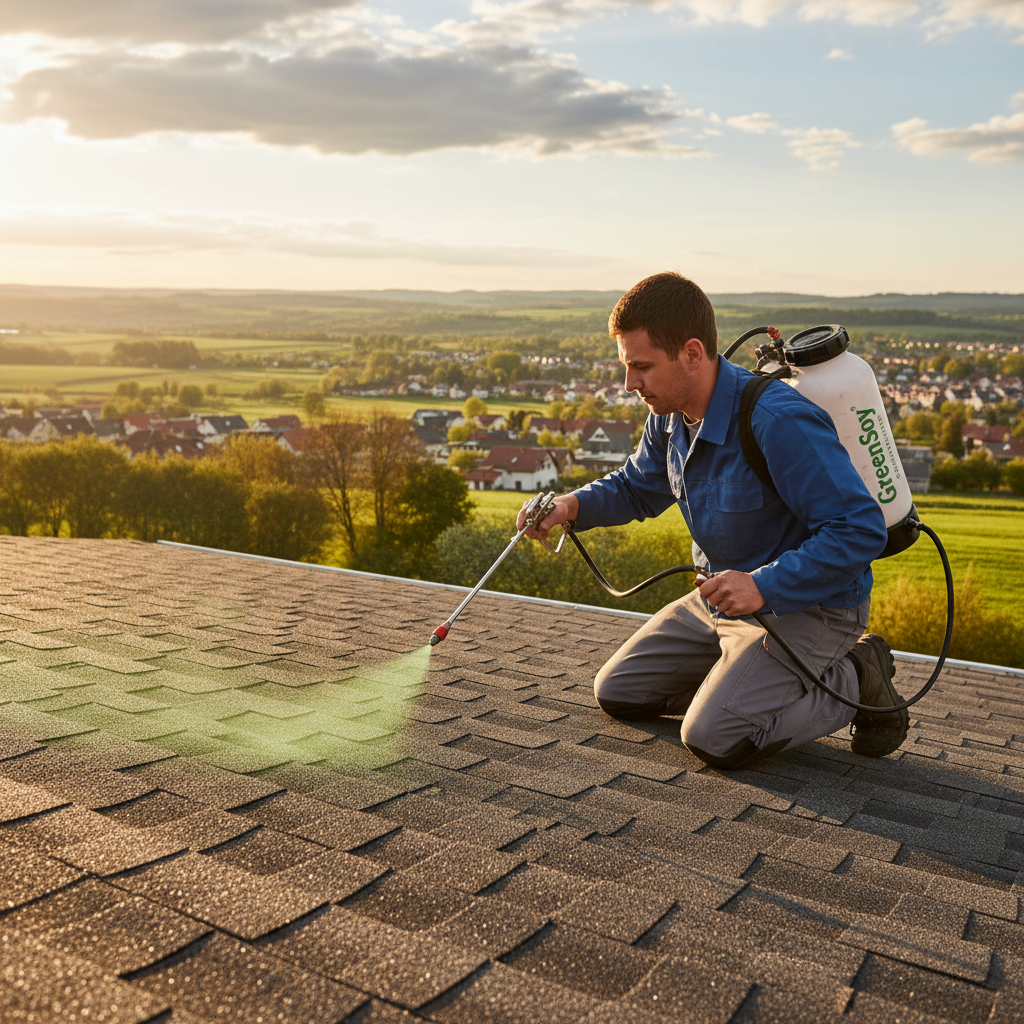
Soft washing flips the mechanism. It uses low pressure (often roughly 200–300 PSI) to apply a cleaning mix that’s designed to kill organic growth, then rinse it away. Because it targets regrowth, many pros put soft-wash longevity for organic staining at 4–6× longer than rinse-only pressure washing, so it’s often counted in seasons, not weeks. In Wilmington terms, that “multiplier” can look like this: a wall that re-greens in 3–6 months after a blast-and-rinse might stay presentable for 12–24+ months when the process kills the growth, and roofs can stretch longer when they’re treated roof-safely instead of being “blasted.”
If you’ve been equating “higher PSI” with “longer-lasting,” take it with a grain of salt. You’re using a sledgehammer where a targeted treatment works better. When you’re comparing quotes or DIY plans (or searching pressure washing near me Wilmington NC), ask one simple question: Are you paying for removal, or for growth control? The quickest tell is whether the plan includes a real house-wash/soft-wash chemical step with dwell time and thorough rinsing, rather than just turning the pressure up and hoping the stains don’t come back.
Low-pressure roof soft washing is designed to treat algae and black streaks without the granule loss risk that can come with high-PSI “blasting.” Read more in our article: Soft Washing Roof Shingles
Surface-by-Surface Risk Tradeoffs

Longevity drops fast when you “clean” by scarring the material, and that is a terrible trade, no matter what HomeAdvisor says in a sponsored list. Etched concrete holds grime, furred wood holds mildew, and a roof with granules knocked loose will stain and age faster. If you assume higher PSI means longer-lasting results, you can end up with a surface that soils faster.
Match the method to the surface: use soft-wash or low-pressure house wash on siding and roofs (vinyl, Hardie, stucco, shingles), moderate pressure on brick with careful rinsing so you don’t erode mortar, and save higher pressure for sound concrete/pavers where you can avoid striping. For wood decks, keep pressure low and focus on proper cleaner and rinse so you don’t “fuzz” the boards.
DIY vs Hiring: What Changes Longevity
A homeowner on a shaded Wilmington lot does a fast weekend blast on the siding, then wonders why the north side looks speckled again before fall. What usually changes the outcome is whether the work controlled regrowth and avoided damaging the surface.
Whether you DIY or hire, do it right the first time. Execution is the difference between a clean finish and a chalky residue that acts like flypaper for grime. For example, a quick blast-and-go can look clean on Saturday and start spotting by late summer on the shaded side because you removed grime but didn’t control regrowth.
If you’re comparing options, don’t anchor on PSI or price—start with how often to pressure wash house based on where your exterior stays damp and re-greens. Ask (or plan) around the basics: what mix gets applied, how long it sits, how you protect plants and downstream runoff, and whether the rinse approach avoids lap lines and striping.
Plant and runoff protection is one of the biggest execution differences between a quick DIY wash and a professional soft-wash process. Read more in our article: Protect Landscaping Cleanup
A Maintenance Plan That Costs Less Over Time
You stop treating every surface like it needs the same annual reset, and the “why is it dirty again?” cycle finally breaks. The win is fewer re-cleans and a schedule that fits your house instead of fighting it.
The cheapest plan long-term usually isn’t washing more often. It’s choosing a cadence that matches what’s making the house look dirty in coastal North Carolina: soil and film you can rinse off versus organic growth that has to be killed to stop the quick rebound. If you keep paying for frequent blast-and-rinse cleanups on shaded siding or roof streaks, it’s not worth the headache and it’s a poor use of the budget.
A practical way to decide is to pick one of these tracks for each problem area (often the back/north side differs from the front):
-
Rinse-only touch-up track (more often): Use this when the surface mostly looks dusty, salty-hazy, or pollen-coated and it brightens up with a gentle rinse. Think: sun-facing concrete, open areas that dry fast.
-
Growth-control track (less often): Use this when green speckling, black roof streaking, or recurring mildew shows up in the same places. That’s when periodic soft-wash or roof-safe treatment usually wins on total cost because it targets regrowth, not just today’s appearance.
To illustrate this, if your HOA nags you about the north-side vinyl every summer, a faster rinse schedule won’t change the pattern; you need a plan that includes growth control and fixes the “stays wet” inputs.
When you request an inspection or estimate (including roof cleaning Wilmington NC), ask for specifics that affect longevity: What method will you use on siding vs roof, will you include a true growth-kill step (not just high PSI), and how will you protect plants and manage runoff?
FAQ (Purpose: Resolve Last-Mile Objections On Safety, Frequency Limits, Runoff/Landscape Protection, And Roof Concerns Tied To “How Long Does Pressure Washing Last”; Role: Takeaway/Objection Handling; Depth: Short)
Is Pressure Washing Safe For Siding And Decks If I Just Use A Stronger Tip?
Not reliably. If you scar wood or force water behind vinyl laps, you can make the surface hold grime and mildew faster, which shortens how long it looks clean (and aligns with consumer safety guidance on using low pressure on softer materials). Use a house-wash/soft-wash approach for siding and low pressure plus the right cleaner for decks.
Will Washing My Roof Make The Stains Come Back Faster?
It can if you “blast” the roof, because you may remove granules or drive water where it shouldn’t go, and the growth that caused the staining can rebound quickly in coastal humidity—changing roof washing frequency. If roof longevity matters, ask for a roof-safe soft-wash treatment that targets the organic growth rather than relying on high PSI.
How Often Can I Reapply Outdoor Cleaners Or “Mildew Treatments”?
You can’t assume “more often” is always allowed or smarter, because some algae-control product labels limit how long they can stay on the surface and how many applications you can do per year. If you DIY, read the label; if you hire, ask what product they use and what its reapplication limits are.
Will Soft Washing Kill My Plants Or Mess Up My Yard?
It doesn’t have to, but you need real runoff control. You should expect pre-wetting and rinsing of plants, controlled application, and a plan for where rinse water flows, especially near beds, wells, and storm drains.
If My House Gets Green Again In A Few Months, Does That Mean The Job Was Bad?
Not automatically, but it often means you paid for removal instead of growth control on a shaded or wet elevation. If the same areas always re-green, ask whether the plan included a true growth-kill step and what you can change (gutter leaks, downspout splash, dense shrubs) to keep it drier.
Roof not getting any younger? Contact us or call 703-673-6301 to find out where you stand.How long a wash holds up depends on sun and rain exposure. Our pressure washing crew in Wilmington can tell you what to expect for your place.