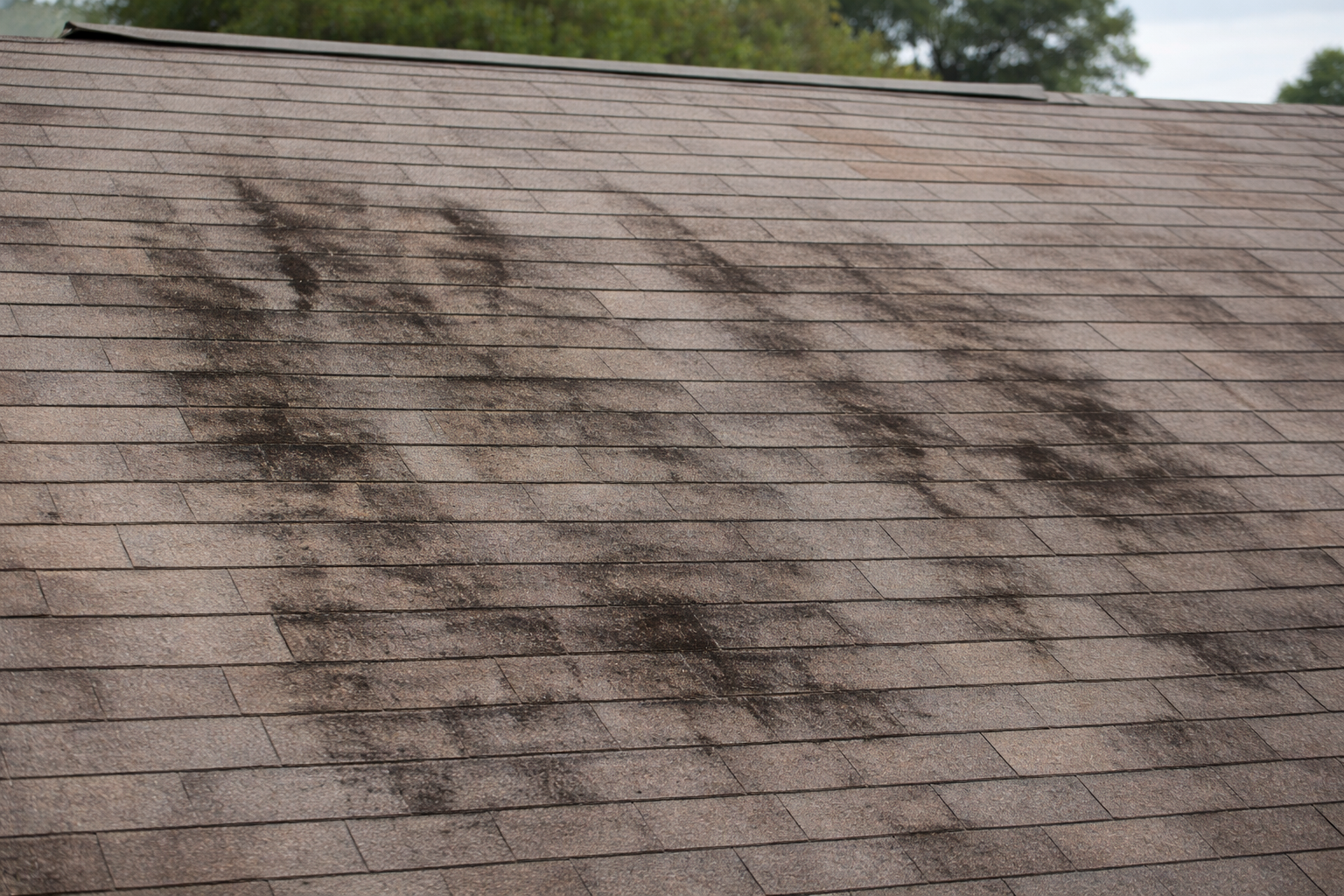
You should treat it like a real leak, contain the water and document it. Then confirm whether it’s active roof entry or condensation by checking the attic.
A “new” leak (roof leak after treatment) after a soft-wash or rejuvenation often means water found a weak spot, not that you’re stuck with a mystery stain forever. What matters most is what’s happening now. Stop any ongoing damage inside, then log what you see with date and time. Then work from the attic back toward the roof so you can find the entry point instead of chasing the ceiling spot. That approach helps you avoid repeated reseals. Let’s not throw good money after bad; it also gives you the cleanest path for a warranty or call-back.
Stop Damage, Document Fast

If you wait for the next rain to “see if it happens again,” the cleanup bill can grow while the proof you need for a clean warranty conversation disappears into dried drywall and wet insulation—exactly what to do when roof is leaking inside.
In the first 15 minutes, treat it like an active water event: put a bucket down, move rugs/electronics, and poke a tiny drain hole in a bulging drywall spot only if it’s holding water so it doesn’t let go all at once. Grab a few photos and a 10-second video of the drip or stain, plus the time and what room (wind-driven rain matters in coastal NC).
Don’t let “it’s probably just runoff from the treatment” talk you into waiting or into Nextdoor neighborhood recommendations. Water that sits in insulation or drywall is never “fine.” It can turn a small leak into a bigger repair and a tougher warranty conversation.
Is It a Real Roof Leak?
| What you notice | More likely | What to check next |
|---|---|---|
| Shows up during rain (especially sideways, wind-driven rain)—roof leak only when it rains hard | Roof entry | Check attic for fresh drips on underside of roof decking; trace moisture path toward the roof |
| Fresh drips visible on underside of roof decking in attic | Roof entry | Treat as roof entry even if ceiling spot is far from the actual hole; follow rafters/decking |
| Shows up on clear, humid days or right after running AC | Condensation/ventilation | Check bath fan duct, HVAC lines for sweating, and ridge/soffit area for dampness |
| Timing is “right after treatment” | Could be runoff revealing weak detail | Verify moisture path from attic first; don’t assume, but don’t dismiss; avoid “reseal the spot” fixes first |
Moisture during rain, or fresh attic drips on the roof decking, points to roof entry even when the ceiling stain is nowhere near the opening (ceiling stain is nowhere near the opening). Water can travel along rafters and decking before it finally drops. The room stain is the bruise, not the cut.
If it shows up on clear, humid days or right after running AC, look harder at condensation and ventilation: a wet bath fan duct, sweating HVAC lines, or a damp ridge/soffit area can mimic a “new leak.” As an example, a poorly insulated metal duct can drip steadily for 20 minutes and leave a ring that looks exactly like a roof issue.
If the timing is “right after treatment,” don’t assume the treatment caused damage, but don’t dismiss it either (right after treatment).
Most repeat call-backs happen when homeowners patch a ceiling spot instead of identifying the actual roof penetration that’s leaking. Read more in our article: Roof Leaks Chimneys Vents A wash can push water into vulnerable laps and edges and reveal a weak flashing detail that normal rainfall hadn’t exposed yet, so the right move is to verify the moisture path (attic first) before anyone “reseals the spot” and calls it done.
Trace It From Attic to Roof

A homeowner in Wilmington chased a hallway stain with caulk for weeks, only to find the actual entry was a vent boot several feet away once they followed the wet decking in the attic.
Start in the attic. Do not start at the ceiling ring. Use a bright flashlight and follow the wettest clues uphill: damp insulation and darkened roof decking—finding source of roof leak. Mark the zone with painter’s tape on the attic framing, then measure to an exterior landmark you can describe (ridge line or plumbing vent). Bob Vila would tell you to measure twice so you can describe it once.
In many cases, a hallway drip actually tracks to a vent boot a couple of rafters away.
A professional roof inspection can document the entry point and moisture path so you’re not guessing during a warranty conversation. Read more in our article: Roof Inspection Wilmington Nc Take photos of the wet decking and the nearest penetration from a few angles and write down wind direction so your roofer inspects the right details first instead of “resealing the spot.”
Call-Back Script After Treatment
When you can hand over a tight timeline, weather details, and attic photos, the conversation shifts from opinions to evidence and you usually get a faster, cleaner response on a roof rejuvenation warranty leak.
Call the treatment/rejuvenation company first (same day if you can) and send this: “I’m seeing new water inside after your service. It started on [date/time] during [rain/no rain] with [wind direction/intensity]. In the attic, the wettest area is [zone description + distance to vent/chimney/valley]. Here are photos/video of the interior spot and the attic decking.” Ask: “Was this a soft-wash, a rejuvenator, or a coating, and were there any curing or rain-window limits?” (curing or rain-window limits).
Don’t add caulk or roof cement ‘to help’ before they look. I’d rather fix it right the first time, and that stuff muddies the evidence like stepping through fresh footprints. That shifts the conversation from facts to blame and can derail the warranty process. If they can’t schedule quickly, book a roofer for a diagnostic visit (roof leak repair Wilmington NC) and tell both parties you want the entry point documented, not a fast reseal.
Warranty outcomes are usually smoother when you can provide time-stamped photos, weather notes, and a written timeline of what changed after service. Read more in our article: Roof Rejuvenation Documentation
Roof not getting any younger? Contact us at Contact us or call 910-241-1152 to find out where you stand.