When your roof isn’t leaking, it’s easy to assume you’ve got time. But in coastal Southeast North Carolina, wind-driven rain can push water into small weak points long before you see a ceiling stain, and waiting can turn a cheap fix into a bigger, messier project.
You don’t need to guess or let roof age make the call, proactive roof maintenance is designed to surface small issues before they become emergency-driven problems. In this guide, you’ll learn how to spot the early, homeowner-visible signs that your roof is slipping and how to choose the least-disruptive next move, whether that’s a targeted inspection or a calm replacement plan before you’re forced into emergency pricing and scheduling.
The Real Cost Of Waiting For A Leak

You wake up after a wind-driven storm to a faint stain, and by the time you find it, the water has already spent hours soaking places you can’t see. The bill is rarely for the drip you noticed; it’s for everything it touched first.
If you wait for an interior stain or drip, you’re basically “kicking the can down the road.” You’re stacking sandbags after the tide comes in. Water often gets in first at fast-wearing details like pipe boots and flashing, then travels along decking or rafters before it shows up on your ceiling, exactly why roof leak prevention starts at the details. Along the Southeast North Carolina coast, wind-driven rain can drive water into tiny openings and make the source harder to track.
Leaks commonly start at roof penetrations like vents and chimneys, so checking those details early can prevent a lot of hidden water travel. Read more in our article: [Roof Leaks Chimneys Vents]
What gets expensive isn’t just shingles. Waiting can turn a simple roof flashing repair into wet sheathing replacement and drywall work. If you want control over cost and contractor choice, treat “not leaking yet” as a reason to inspect the details now, not a reason to put them off.
Quick Triage: Is Your Roof Slipping?

A roof can look “fine from the driveway.” That means nothing. The trick is to stop using age or no leaks yet as your primary evidence and look for early, homeowner-visible signs that the surface and the vulnerable details are wearing out.
Start with what your roof is shedding (shingle granule loss). Excess granules in gutters or at the bottom of downspouts are one of the clearest early indicators that asphalt shingles are losing their protective layer, not just fading in color. For example, if you clean your gutters and they refill with gritty, sand-like granules after the next couple of rains, that’s wear you can measure.
Then do a quick scan for performance clues (not aesthetics), these are common signs you need a new roof
-
Granules where they shouldn’t be: piles in gutters, downspout elbows, or on splash blocks.
-
Shingle distortion: curling shingles, cupping, lifted tabs, or cracking that looks like a dried riverbed.
-
Soft or uneven spots: a “spongy” feel underfoot (don’t get on the roof if you’re not comfortable); this can hint at moisture-damaged decking.
-
Attic tells: dark staining on the underside of decking, rusty nail tips, or damp insulation directly below penetrations.
-
Fast-wearing details: brittle or split pipe boots, loose flashing, or sealant that has pulled away around vents and chimneys.
If you spot two or more of these, act like you’re already on borrowed time: take date-stamped photos and schedule a roof inspection Wilmington NC homeowners can use to focus on penetrations instead of a vague “it’s old” verdict.
Granules in gutters are one of the easiest homeowner-visible signals that shingles are wearing faster than normal. Read more in our article: [Leftover Granules Gutters]
Decide Your Next Move (Inspect, Repair, Rejuvenate, Plan)
A homeowner sees a split vent boot during a quick check and thinks, “I will deal with it next month.” Two storms later, the same roof is suddenly a scheduling emergency, even though the fix itself never got more complicated.
No leak today doesn’t mean the roof is safe. Problems can accelerate fast once a weak detail opens up. The practical goal now is to pick the lightest intervention that meaningfully reduces risk before the next nor’easter-style wind-driven rain turns a small weakness into soaked decking.
Use your triage results to choose a path.
| What you’re seeing | Best next move | When to act |
|---|---|---|
| Zero or one warning sign | Baseline inspection (ask for extra time on penetrations/transitions) | Next 30–60 days (ideally before peak storm season) |
| One to two localized issues (e.g. split vent boot, lifted shingle edge, small flashing gap) | Targeted repair | Within a couple of weeks |
| Mostly flat shingles; aging signals like granule loss/drying; roof structurally sound | Rejuvenate to buy time | After confirming structural soundness |
| Multiple warning signs or obvious distortion (widespread curling/cracking/soft spots/recurring attic staining) | Plan replacement | Start quotes/planning on a calm timeline (before emergency call-outs) |
If you saw zero or one warning sign, schedule a baseline inspection in the next 30–60 days, ideally before peak storm season. Ask the inspector to spend extra time on penetrations and transitions (pipe boots and step flashing), because those details often fail before the field shingles and can be repaired cheaply.
If you saw one to two issues that look localized (for instance, a split vent boot or a lifted shingle edge), treat it as a targeted repair problem and get roof repair Wilmington NC scheduled within a couple of weeks. Case in point: a $200–$600 roof vent pipe boot replacement or flashing fix is easy to delay when there’s no stain, but it’s exactly the kind of detail that can wet sheathing during sideways rain.
If your shingles still lay mostly flat and you’re mainly seeing aging signals like granule loss and drying, you may be a candidate for asphalt shingle rejuvenation to buy time, but only if the roof is structurally sound. The point of acting now is that rejuvenation is a life-extension move, not a bandage for missing or actively failing shingles.
If you saw multiple warning signs or obvious distortion (widespread curling, cracking, soft spots, recurring attic staining), skip the “maybe it’ll hold” mindset and plan replacement.
Roof rejuvenation only makes sense after a proper inspection confirms the shingles are aging but still structurally sound and a good fit for treatment. Read more in our article: [Roof Rejuvenation Candidate] Get quotes on a calm timeline and pick a start window before you’re competing with emergency call-outs.
If You Act Now, What’s the Least-Disruptive Action?

You can get answers without turning your week into a construction project. A focused check now is how you keep decisions boring and on your terms.
Schedule a focused inspection aimed at catching small, repairable failure points. Treat a full replacement pitch like a Nextdoor comment section. Ask for close-up photos of penetrations and transitions (pipe boots and vents), plus a quick look at gutter granule load near those details. You’re buying evidence you can act on.
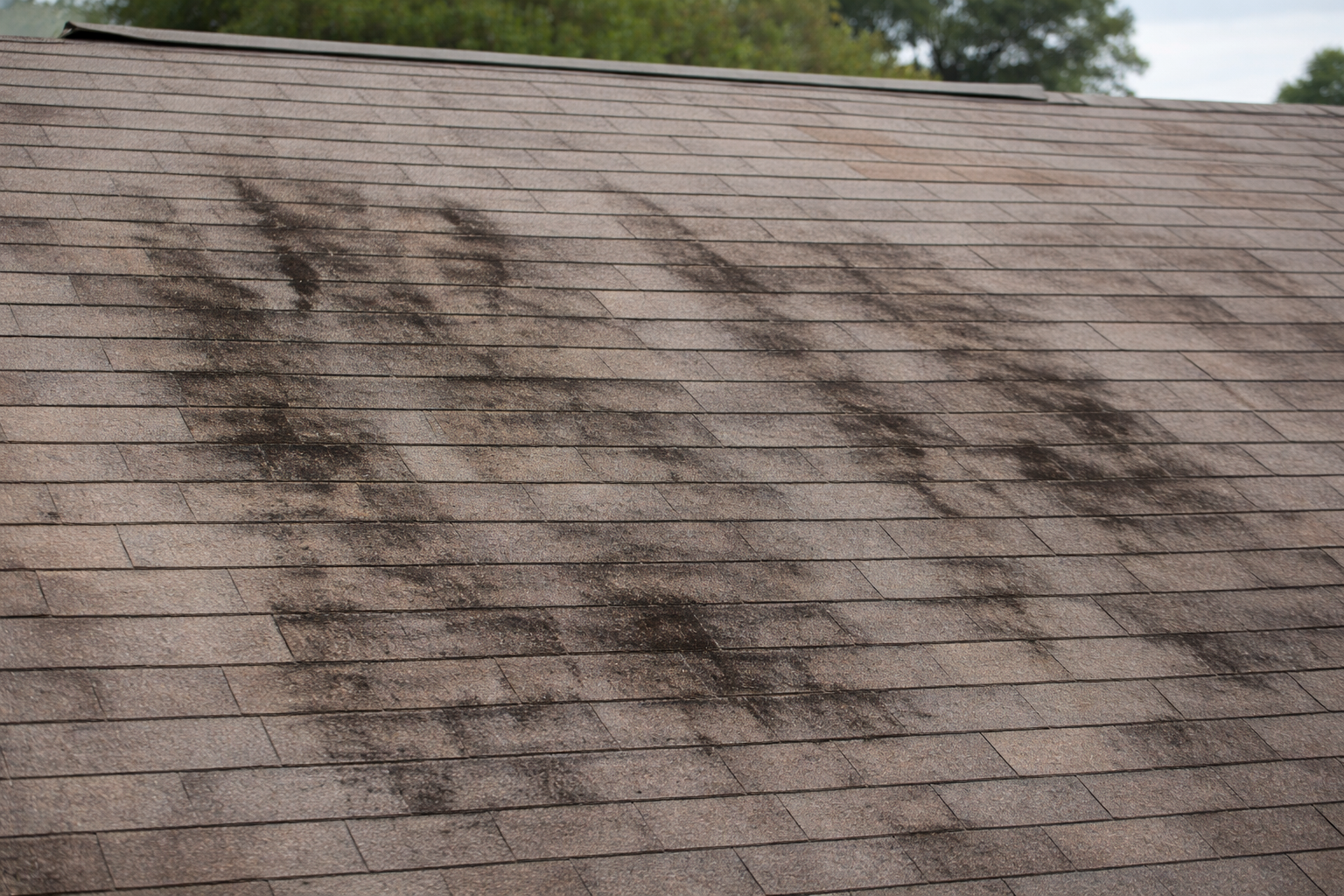
If biology is part of what you’re seeing in Wilmington-area humidity (dark streaks, lichen, moss), bite the bullet and start with diagnosis for roof moss removal, not “clean it.” Think medical triage, not cosmetics. Aggressive scrubbing or pressure washing can strip granules and shorten shingle life; a safer first step is low pressure roof cleaning with an evaluation of treatment options designed for asphalt shingles, including preventative, slow-release ridge-line treatments that inhibit regrowth instead of repeated harsh cleanings.
Roof not getting any younger? Contact us or call 703-673-6301 to find out where you stand.The cheapest next step is knowledge: HardShore’s free roof inspection with a written report documents what’s actually there.