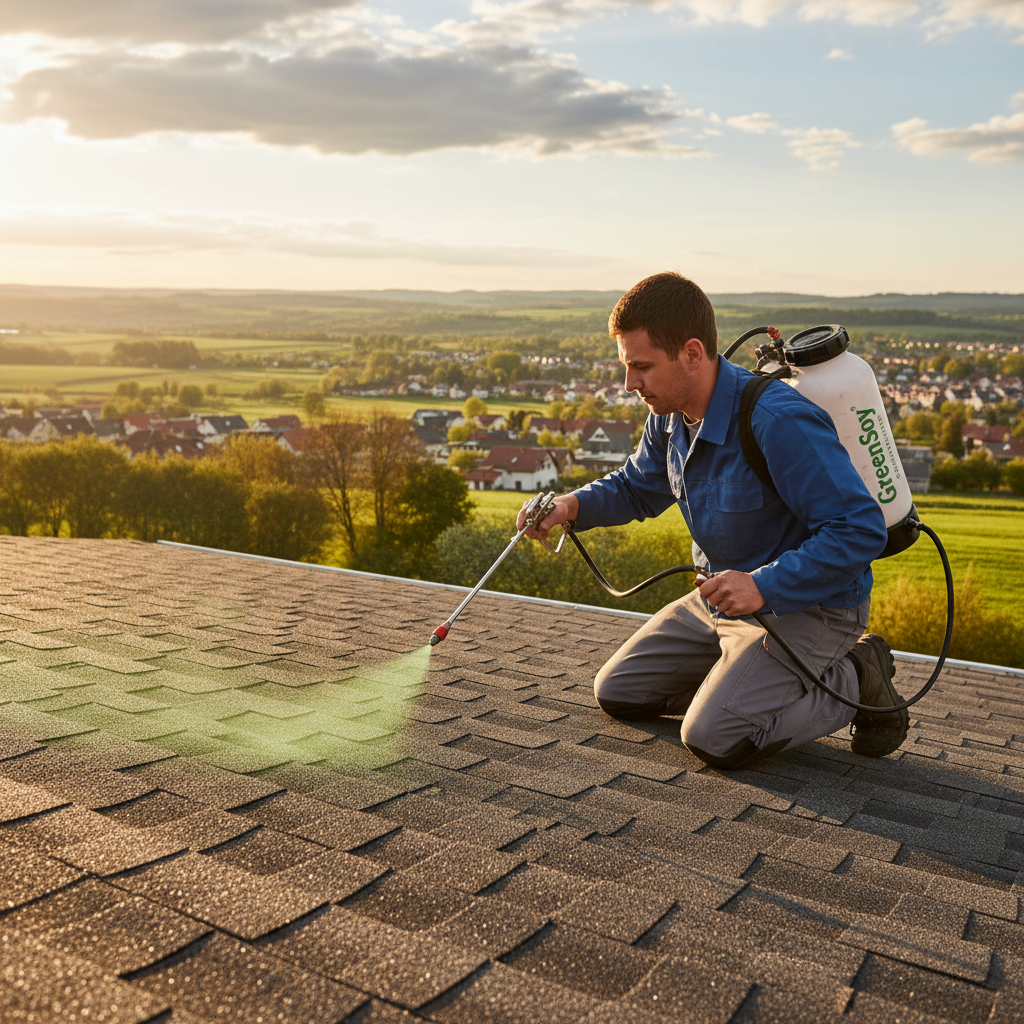
Can rejuvenation fix curling shingles, or does curling mean replacement? Rejuvenation usually won’t flatten curled shingles or make tabs re-seal. Curling can still be repairable, depending on how widespread it is.
What it does mean is you need to figure out whether you’re dealing with a small, localized problem you can repair, or a roof-wide aging pattern that’s already spreading. In coastal North Carolina, heat and humidity often drive curling. You’ll get the best answer by looking at the cause and the extent, not a quick patch-job pitch. In the sections below, you’ll use a practical 10–15% coverage tipping point and a fast curling shingles repair vs replace framework to decide whether a tune-up or a full replacement makes the most sense for your roof.
When Curling Shingles Are Still Fixable

You hire someone to “fix a few corners,” and six months later the same edges are lifting again, plus a new leak shows up in a different spot. That’s what happens when curling is treated like a small repair even though the roof is already aging as a system.
Curling doesn’t automatically mean you need a full replacement. It’s only fixable when it’s truly localized and the rest of the roof is still doing its job, like one loose shingle in an otherwise tight field. A practical cutoff inspectors use is extent: if curling shows up on more than about 10–15% of the roof surface, you’re usually past the point where spot work stays cost-effective.
To illustrate this, if you’ve got a small patch of lifted edges on one slope near a gable end after a Wilmington wind event, and the surrounding shingles still lay flat and seal, you may be able to replace that handful of shingles and correct what caused it (often heat and moisture from poor attic ventilation). What won’t help is treating curling like a cosmetic problem you can “spray flat.” You should frame the question as: is this a contained defect you can repair, or a pattern that will keep spreading?
A roof that’s only “a few shingles” away from a leak often has hidden system-wide issues that make repeated spot-fixes cost more over time. Read more in our article: Small Roof Repair Risks
Roof Shingle Curling Causes in Coastal NC
In the Wilmington area, curling usually comes from repeated heat stress. It makes shingles lose flexibility and seal. The most common driver is an attic that runs hot and humid because intake or ridge vents don’t move enough air, sometimes made worse by bathroom fans dumping moisture into the attic. You can replace a few curled shingles and still watch the same pattern reappear next season if the roof deck keeps cooking from underneath.
Coastal exposure adds its own push: strong wind events work at shingle edges and can break the seal strip, and salty air accelerates aging at tabs and corners. For example, you might see the worst curling along a windward eave or near a ridge where nails sit a little high or the seal strip never fully bonded. When you talk to an inspector, don’t just ask “are they curled?” Ask what’s driving it, and skip the guesswork you’d get from a Nextdoor thread: ventilation balance or moisture source.
Salt air and high humidity can speed up shingle aging by attacking seal strips and making heat stress worse near edges and ridges. Read more in our article: Salt Air Humidity Shingles
Can Rejuvenation Fix Curling Shingles?

A homeowner pays for a spray treatment hoping the roof will look flatter before listing the house, and the next windy week still lifts the same tabs. When the problem is shape and seal, not surface dryness, the outcome is usually disappointment.
If you’re asking whether rejuvenation can fix curling, it usually can’t because it won’t reliably flatten tabs or restore the seal. Curling is a shape and adhesion problem, not just “dry shingles.” A spray-on treatment might make shingles more flexible and slow cracking, but it won’t turn warped edges back into a tight, overlapping water-shedding surface, more like a hinge than a sponge.
If you’re shopping rejuvenation because you want the roof to look and act uncurled, you’re likely kicking the can down the road. At best, it’s a short bridge on an otherwise sound roof, but only after you fix the underlying driver (often heat and moisture). Also pay attention to manufacturer guidance. Some shingle manufacturers warn that unknown-chemistry coatings can cause softening or blisters, and affect fire classification and warranty coverage.
The 10–15% Coverage Tipping Point
Once curling shows up on more than about 10–15% of the roof surface, stop treating it like a few bad shingles, and treat it as your signal for when to replace curled shingles. Treat it as roof-wide aging instead of a few isolated defects. At that point, even if you replace some tabs or try rejuvenation, you’re usually throwing good money after bad, chasing a pattern that keeps spreading after Wilmington heat, humidity, and wind events.
During a free roof inspection Wilmington NC, apply it this way. Have the roofer mark each slope and estimate the percentage of shingles with lifted edges or unsealed tabs. If they can’t point to concentrated areas and instead you’re seeing curling sprinkled across multiple slopes, you’re already in replacement-planning territory, not “buy a little time” territory.
A proper inspection should include documenting curling by slope so you can see whether the problem is localized or spreading season to season. Read more in our article: Roof Inspection Wilmington Nc
Repair vs Replace: A Fast Decision Framework
Most “should I replace?” calls get easier once you know whether you’re looking at a 3-tab roof nearing 15–20 years or an architectural roof that might be closer to a 25–30 year design life. Age context changes whether curling is a nuisance you can isolate or a signal you’re near the end of the roof’s runway.
| Situation | Likely call | What to do next |
|---|---|---|
| Under ~15–20 years old; curling under ~10–15% of surface; no active leaks | Repair | Replace affected shingles and fix the driver (often ventilation/attic moisture) so it doesn’t repeat. |
| Near/at design life (often 15–30 years for most asphalt) | Replace planning | Treat as roof-wide aging/performance; start replacement planning. |
| Curling across multiple slopes and/or you’ve got leaks | Replace | Plan on replacement rather than chasing spot fixes. |
| Considering rejuvenation | Short-term bridge only (when otherwise sound) | Use only after addressing the driver; don’t expect it to flatten curled shingles or reliably re-seal lifted tabs. |
FAQ (Purpose: Resolve The Most Common Last-Mile Questions On Timing, Inspection Cadence After Storms, Cost-Per-Year Logic, And Whether To Wait; Role: Takeaway + Objection Handling; Depth: Short)
How Urgent Is Curling If I Don’t Have Leaks Yet?
It’s urgent enough to inspect soon, because curling often means seal tabs aren’t holding, which makes wind-driven rain more likely to get under the shingles. Waiting until you see a ceiling stain usually turns a roof decision into a drywall and insulation decision too.
How Often Should I Inspect A Roof With Curling In Coastal North Carolina?
In coastal wind, the shingles that look only slightly lifted today are the ones that can turn into water entry points after the next storm line. Missing the early window often means you find out from a stain instead of a shingle edge.
Inspect in spring and fall, then add checks after major wind events, consistent with NRCA’s guidance to inspect at least twice per year and after severe weather. In Wilmington, that extra post-storm look matters because lifted edges can escalate fast when the next gust hits.
Can I Just Wait Until More Shingles Curl So I’m “Sure” It’s Time?
You can, but you’re paying for certainty with higher risk and fewer options, since once curling spreads you lose the ability to treat it as localized repair. If you’re on the fence, get the roof mapped by slope now so you can track whether it’s stable or spreading.
How Do I Compare Rejuvenation Versus Replacement Without Getting Sold Either Way?
Ask for the math in cost per year. Treat it like Consumer Reports would: (price) divided by (realistic added years), then compare that to replacement divided by the years you expect from the new roof. Rejuvenation can pencil out as a short bridge. It rarely makes sense if you expect it to physically flatten curled shingles.
What Should I Ask Before Anyone Applies A Rejuvenator Or Coating?
Ask exactly what product they’ll use. Get it in writing, including compatibility with your shingle type and any effect on manufacturer warranty or fire rating. If they can’t give straight answers, you should not let them spray it.
Roof not getting any younger? Contact us or call 703-673-6301 to find out where you stand.