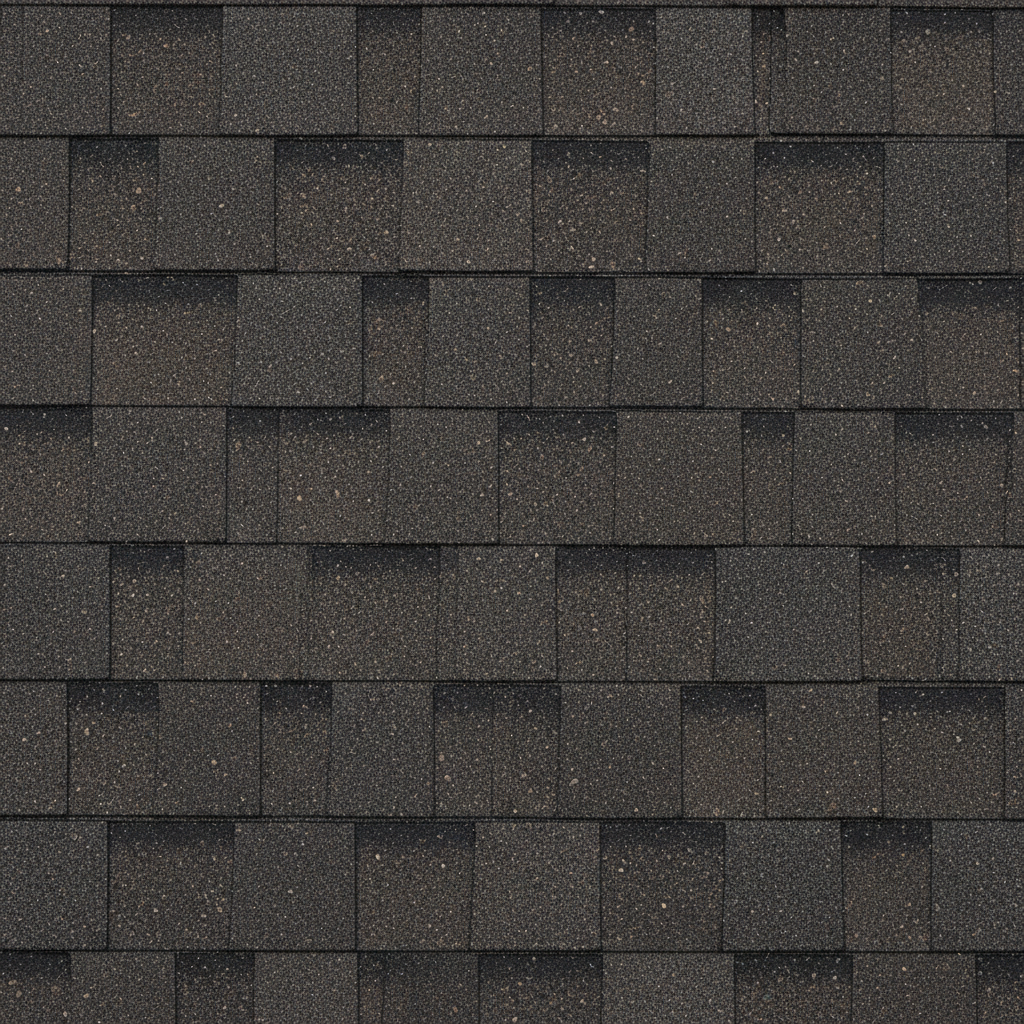
If you’re near Wilmington, a restored asphalt shingle roof typically buys about 5 to 7 more years. That extension depends on roof age and existing damage.
What makes this question hard is that coastal “lasting” isn’t just about shingle condition at the start. You need to know your true local baseline lifespan (often closer to 15 to 20 years than the inland numbers) and what a restoration actually improves (usually flexibility and granule retention, not leak immunity). This guide walks you through those realities and gives you a simple restore-or-replace framework that fits Wilmington’s salt air and storm seasons, plus the insurance timing that can matter as much as the chemistry.
| Decision factor (Wilmington area) | Typical range in this guide |
|---|---|
| Coastal baseline lifespan (asphalt shingles) | ~15–20 years |
| Likely added service life from restoration | ~5–7 years |
| Roof age where restoration is most likely to work | ~10–15 years (sometimes considered up to ~20) |
| Damage level where restoration is more realistic | ~10–20% shingles affected (cracking/missing/blow-offs) |
| Age where insurance/real-estate scrutiny often tightens | ~15–18 years |
The Coastal Baseline Lifespan

Near Wilmington, you should benchmark an asphalt shingle roof at roughly 15–20 years of service life, not the 25–30-year numbers you’ll see quoted for milder inland conditions for roof restoration lifespan planning. Salt-laden air and frequent wind-driven rain speed up granule loss and aging, so the roof you think is “midlife” on paper may already be in its final stretch for coastal roof longevity.
That matters because every restoration or repair claim sits on this baseline like a house on pilings. If you don’t know your roof’s true age (install permit date or invoice), you’ll do the math against the wrong target. Then you’ll kick the can down the road and overestimate what any treatment can realistically deliver.
Salt air and humidity can shorten shingle life by accelerating granule loss and weakening sealant strips. Read more in our article: Salt Air Humidity Shingles
What “restored roof lasts” means
You sign for a “5–7 year extension,” then the first hard coastal season shows you two different definitions of success: what the shingles feel like versus what your ceiling looks like.
When you hear that a roof was “restored” and will “last,” you need to pin down what exactly is being measured for Wilmington NC roof restoration. In most rejuvenation marketing, “lasting” usually means the shingles stay more flexible longer and may hold granules better, which is the main basis of roof rejuvenation lifespan claims. I don’t care what the brochure says, that is the kind of nuance you’ll see spelled out in Consumer Reports-style testing, not in a sales pitch. That’s real, but it’s not the same as “you won’t get leaks through the next storm season,” and it’s also not the same as a broad, no-questions-asked warranty.
To illustrate this, a contractor might truthfully say a treatment can add years by improving shingle condition, while the paperwork only backs a shorter warranty window and excludes issues tied to flashing or storm damage. Treat “added 5–7 years” as “problem-free years,” and you’ll misjudge a Wilmington roof that’s one hard wind-driven rain event away from exposing a weak seam.
Wilmington Failure Modes That Cut Time
A neighbor replaces “perfectly good shingles” after a leak, and the roofer points to a $20 boot or a sloppy flashing detail, not the shingle field, classic salt air roof damage doesn’t always look dramatic until it leaks.
-
Salt and humidity: faster granule loss, softer sealant strips
-
Heat and UV: dried shingle edges
-
Wind-driven rain: openings at pipe boots, step flashing, valleys, exposed fasteners, where the juice isn’t worth the squeeze because one tiny gap becomes a siphon (wind driven rain roof damage)
-
Algae and mildew: moisture held at laps, accelerated wear
In coastal storms, leaks often start at penetrations like pipe boots, vents, and chimney flashing rather than in the main shingle field. Read more in our article: Roof Leaks Chimneys Vents
When Restoration Is Most Likely to Work

Catch the roof while it’s still dry and intact, and you’re buying time on your terms, with fewer surprise weekends spent chasing tarps and stains.
Restoration is most likely to pay off when your roof is still structurally sound and you’re trying to slow aging, not rescue a roof that’s already failing. In practice, that usually means an asphalt shingle roof around 10–15 years old (often still considered for treatment up to ~20 years), with no active leaks and only limited damage (a common cutoff is roughly 10–20% of shingles showing cracking or blow-offs). As an example, if a few shingles took a hit near a ridge vent but the rest of the field still lies flat and seals, you’re in the zone where “added years” is a realistic claim.
On the coast, timing matters more than you’d want it to. Waiting is penny wise and pound foolish, because small defects turn into water paths fast under wind-driven rain and humid, salty air. Once you’re chasing ceiling stains or throwing tarps after a storm, restoration isn’t the decision anymore; repair or replacement is.
Roof restoration vs replacement: a simple decision framework

One PRI-tested marketer reports about 53% better granule retention on treated shingles versus untreated, but that kind of lab win only matters if the rest of the roof system can cash it in on the coast.
If you want one clean way to choose, treat it as a cost-per-year vs risk decision under a coastal clock that runs like sand through your fingers. In Wilmington, a restoration commonly aims for about 5–7 more years of service, and that’s a bigger slice of your local baseline (roughly 15–20 years) than most homeowners realize. The catch is that the “value” of those years drops fast if you’re already near the age where insurance and real-estate conversations tighten up around ~15–18 years, or if you can’t tolerate a higher chance of needing emergency work after the next wind-driven rain event.
You’ll make a better call if you force the math: estimate your realistic added years (not best-case marketing) and divide your all-in restoration cost by that number. When underwriting or a near-term sale is in play, replacement often wins even if restoration looks cheaper, because those “extra years” come with friction and uncertainty.
When you’re near the 15–18 year mark, some insurers may ask for documentation or an inspection before renewing or adjusting coverage. Read more in our article: Roof Work Insurance Resale
FAQs: restored roof longevity near Wilmington
Can You Reapply a Roof Rejuvenation Treatment Later?
Often, yes, but only if the roof stays a good candidate: no active leaks and no widespread brittleness. The “I’ll just keep re-treating forever” plan skips the components that usually fail first in coastal weather.
Do Hurricanes Reset the Clock on “Added Years”?
They can, because your outcome depends less on the storm’s category and more on how long wind-driven rain finds a weak point. A restored roof that’s fine in normal seasons can still lose its extension if you take debris hits, seal strips lift, or you sit under days of follow-on rain before repairs.
What Should You Document for Insurance or a Future Sale?
Keep the roof’s original install date proof if you have it. Also keep a dated inspection report and photos showing the roof condition before and after restoration, because the Better Business Bureau (BBB) complaint history won’t save you in underwriting. In coastal NC, paperwork can matter as much as performance once your roof age gets into the range where underwriting questions start.
What Maintenance Should You Expect After Restoration?
Plan on periodic checks and quick minor repairs, not “set it and forget it,” especially after big rain events, an annual roof inspection coastal schedule helps preserve the added years. As an example, spotting lifted shingles or a cracked pipe boot after a storm is your cue to act fast, since that repair protects more added years than the treatment itself.
What Are Red Flags That Mean Restoration Probably Won’t Last?
Active leaks and soft decking usually mean you’re past the point where restoration buys dependable time. If the roof already needs tarps or you see repeating interior stains, you’re not choosing between “restore or not,” you’re choosing how to replace or rebuild confidence quickly.
Roof not getting any younger? Contact us or call 703-673-6301 to find out where you stand.