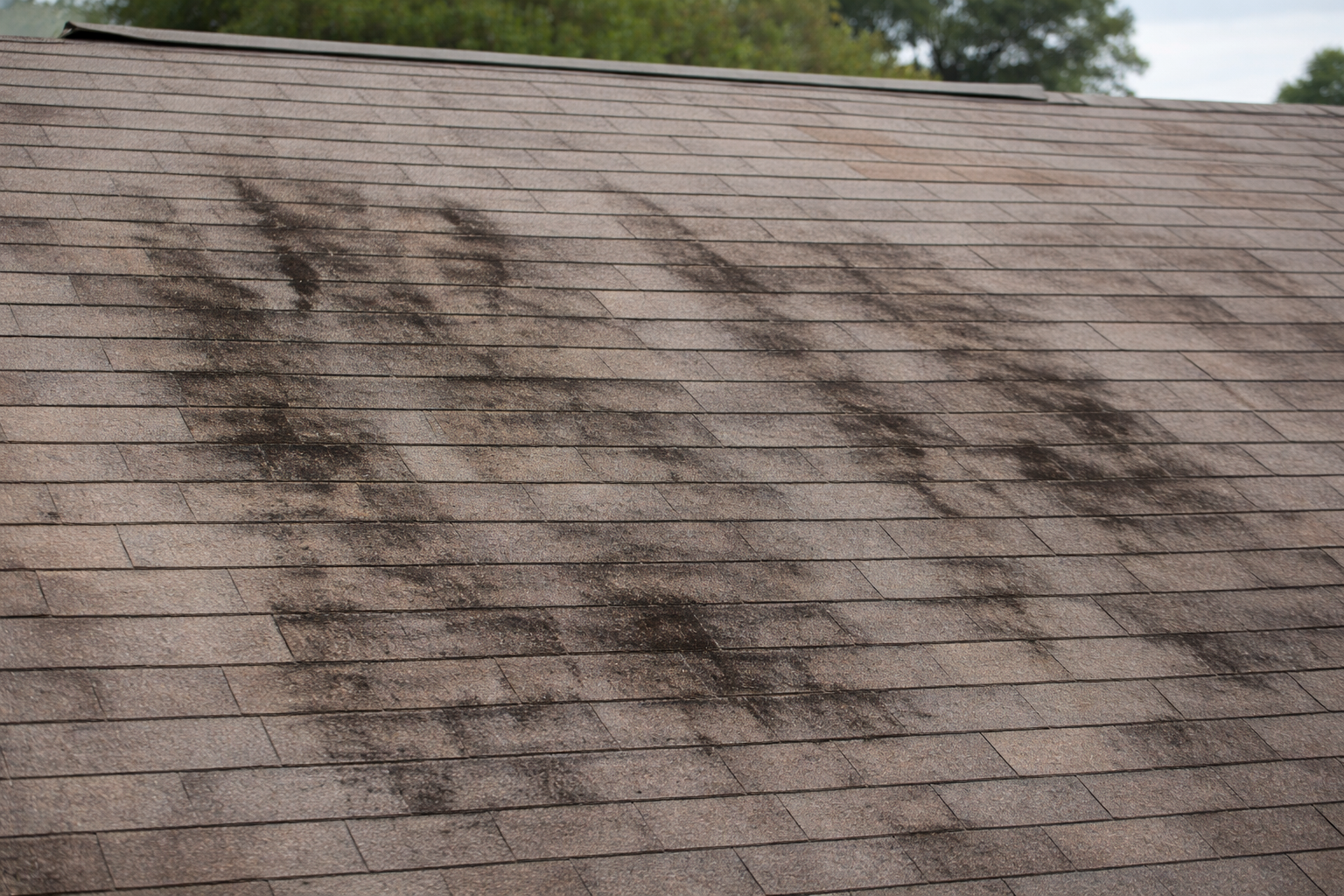
If a leak shows up later, how do you know if it’s related to the roof or something else? You figure it out by matching the leak to the conditions that trigger it, not by chasing where the stain appears.
A wet spot on drywall can be a misleading exit point because water can travel through framing and ceiling cavities before it shows up. That’s why it helps to track when it happens: during steady rain or on muggy days when the AC runs. Once you tie the moisture to a trigger and do a focused check (even if attic access is limited), you can call the right pro and ask for the right inspection.
Triage: match the leak to conditions
Your ceiling only gives you clues, and it rarely gives you the right ones first. The best way to stop paying for guesses is to treat the timing like evidence and let it narrow the suspects.
A ceiling stain is just an exit point, so use it as a timing clue for the water stain on ceiling cause rather than a precise location. Water can move sideways through a ceiling cavity (think up to roughly 10 feet) (superiorplumbing.ca). So “it’s right under that spot” can send you on a wild goose chase instead of pointing you to follow the water.
Instead, tie the moisture to a trigger you can observe. In Wilmington, you’ll often see very different patterns between a steady rain and a wind-driven coastal storm. For example, if you only get drips when rain hits hard from one direction, that points you toward roof transitions and flashing where wind can push water sideways or uphill, not the middle of the shingle field.
Use this quick condition check to decide who to call first and what to look at next for a ceiling water stain after rain
| Trigger you can observe | Most likely category | Who to call first | What to tell them / what to check |
|---|---|---|---|
| During or right after rain (most rains) | Roof leak | Roofer | Prioritize penetrations and joints above the general area (vents, skylights, chimneys, wall-to-roof lines), not just the nearest shingle. |
| Only with wind-driven rain (storms, nor’easters, hurricanes) | Roof leak at a transition/edge detail | Roofer | Tell them it’s directional; focus inspection on flashing, counterflashing, and edge details where wind forces water. |
| No rain; on muggy days or when the AC runs (roof leak vs condensation) | Condensation | HVAC or building envelope/insulation pro | Check duct sweat, cold supply lines, air handler issues, or attic condensation from warm air leaking upward. |
| Tracks with fixture use (toilet, shower, dishwasher, upstairs laundry), is my roof leaking or plumbing | Plumbing leak | Plumber | Don’t let a dry-looking attic directly above the stain rule it out; water may be traveling in the ceiling cavity. |
What you can do today: mark the stain perimeter with a pencil and date it, then keep a simple log of rain, wind direction, humidity, and fixture use. When you call a pro, lead with that timeline, not the size of the stain.
A basic inspection that focuses on penetrations, flashing, and transition points can often pinpoint the real entry path faster than a surface-only check. Read more in our article: Typical Roof Inspection
Why the Stain Is a Liar

You patch the shingles you can reach, repaint the spot, and then the next storm puts a darker ring right back in the same place. That loop happens when you chase the stain instead of the path the water took.
Most of the time, the stain shows where water escaped the cavity, not where it entered the system. It can run along a joist bay, drip off a nail, or follow a seam in drywall and show up several feet away from the actual entry point (sometimes on the order of 10 feet).
So a dry patch directly above the stain isn’t a clean bill of health; it’s often a false signal that keeps you from looking along the route. If you only inspect directly over the spot, you can miss a roof transition, flashing joint, or even a sweating pipe that’s feeding the cavity from the side. Your next step is to search a wider radius and follow the path, not the stain.
A Safe Attic Check That Matters
You climb up once, at the right moment, and come down with an answer you can act on instead of a shrug. The trick is looking for repeatable fingerprints, not a single wet spot.
If attic access is safe, time your visit to the trigger window, either right after rain or during a muggy AC run, to check for leaks. Stay on framing, use a flashlight, and check a wider radius than the stain itself since water can travel. Case in point: the area directly above a ceiling spot can look bone-dry. The real issue can sit a few feet away along a rafter bay or inside the ceiling cavity.
You’re looking for one of three “fingerprints”: roof entry (wet roof decking, darkened wood, damp insulation directly under a penetration or flashing line), plumbing/HVAC (moisture near supply lines, bathroom groups, or ductwork, including cold pipes that sweat in Wilmington humidity), or condensation (uniform dampness, water beading on nails, or wetness on cold surfaces near attic hatches, can lights, and duct runs), not something to put off and forget (altaroofingpros.com). Don’t let “it’s dry right above the stain” talk you into waiting; if you see roof-deck wetness call a roofer, if moisture clusters around fixtures or pipes call a plumber, and if you see widespread beading or duct sweat call HVAC or an insulation/air-sealing pro.
Roof Leak Patterns to Look For

If it’s roof-related, it usually shows up as a pattern, not a single “bad shingle,” which is why intermittent leaks can be easier to spot than a one-off drip. In coastal storms, you might only see water when wind drives rain from one direction, and I’m opinionated about this: if you ignore wind direction you’re missing a big part of hurricane-season prep for coastal NC homes, because it often means water is getting pushed into a joint, not straight down through the roof field (rooftroubleshooter.com). For instance, a stain that appears only during nor’easters can point toward a chimney area, a roof-to-wall line, or another transition.
Also, don’t treat “it’s near an exterior wall” as proof it’s the roof (huduser.gov). Water can enter at an edge or flashing detail and travel before it drops, so your best next step is to note storm direction and look for repeat leaks at penetrations.
Chimneys, plumbing vents, and other roof penetrations are some of the most common places wind-driven rain gets pushed into a small opening and shows up later as an “intermittent” ceiling leak. Read more in our article: Roof Leaks Chimneys Vents
Plumbing, HVAC, and Condensation Look-Alikes

A homeowner swears the roof is leaking because the stain grows every August, then a plumber finds a sweating cold line feeding the ceiling cavity the whole time. In humid weather, the most convincing “roof leaks” can be indoor moisture in disguise.
In Wilmington humidity, a “new roof leak” often turns out to be water your roof never touched (wecorooter.com). Cold water lines can sweat and drip into a ceiling cavity, and AC ducts can sweat or drip near a register. If the stain grows on muggy days or when the AC runs, treat that as a strong signal to start with HVAC or plumbing, not roofing, because “patch it up for now” thinking can keep the real problem going.
Another common impostor: a bath fan that dumps moist air into the attic (or leaks at its duct joints), which can condense and then show up as a brown ring on drywall. Chasing shingles first can cost you weeks while the real fix is sealing or rerouting a duct.
Who to Call First, and What to Document
If your notes show the moisture tracks with rain or wind-driven storms, start with a roofer. If it tracks with AC runtime, muggy days, or a specific fixture, start with HVAC or a plumber. If you’ve got active dripping, sagging drywall, or soaked insulation, bring in a water restoration company to stabilize and dry things out while the source gets diagnosed. The move that wastes the most money is picking a trade based on where the stain is instead of when it happens.
Before anyone shows up, hand them solid evidence: a dated photo with the perimeter marked in pencil plus your log comparing rain and wind direction against AC and fixture use. Get moisture meter readings if you can, and I’ll say it plainly: stories are cheap but numbers do not lie. As an example, telling a roofer “it only leaks during nor’easters from the east” changes the whole inspection, and telling an HVAC tech “it grows on 90% humidity days when the air handler runs” often beats guessing at shingles.
If you suspect a roof issue after a recent reroof or storm, add one more thing: the date of the work and the warranty contact.
When you have active dripping or a growing stain, the fastest way to limit damage is to stabilize the situation first and then bring in the right trade to locate the source. Read more in our article: Roofer Or Restoration Company That single detail can be the difference between a quick flashing fix and weeks of “wait and see.”
Roof not getting any younger? Contact us or call 703-673-6301 to find out where you stand.